


















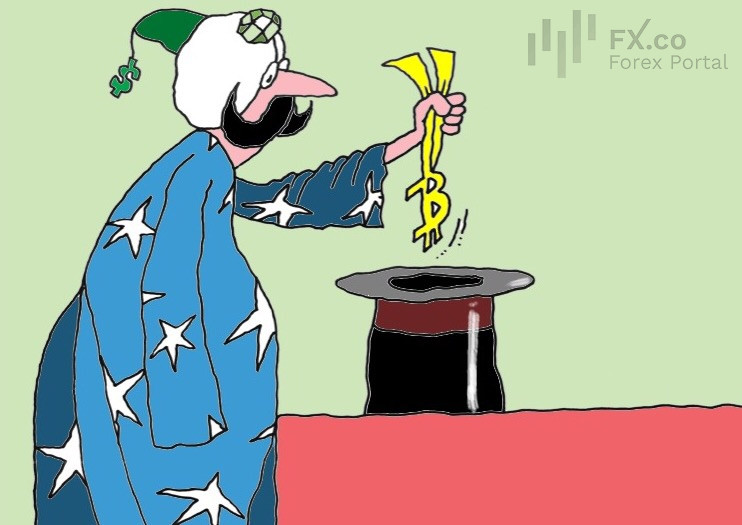
On Monday, Bitcoin broke below the psychological $60,000 mark. The flagship cryptocurrency is moving decisively toward a second consecutive quarterly decline amid investor flight from US spot ETFs, hawkish Federal Reserve rhetoric, and geopolitical swings in the Middle East.
As of 08:02 Moscow time, the coin was down 0.4%, trading at $59,765. For the current quarter, Bitcoin risks losing 13%. If that occurs, the market will register only the third instance in the asset’s history of closing two consecutive quarters in the red. Year to date, the cryptocurrency has already lost more than 30%.
Large capital is clearly losing interest in digital assets. US spot Bitcoin funds have recorded outflows for a seventh straight week. Investors withdrew roughly $1.8 billion from those funds last week alone, and total monthly outflows exceeded $4 billion, a clear sign of a sharp decline in institutional demand.
The crypto market is also under pressure from a strong dollar and persistent US inflation. Robust labor market data has forced traders to revise expectations. Markets are now pricing in the probability of a Fed rate increase this year. That dynamic makes high‑risk assets such as Bitcoin markedly less attractive.
The external backdrop is keeping investors cautious. Although reports that the US and Iran are prepared to cease hostilities and enter talks after a weekend escalation in the Strait of Hormuz have eased markets somewhat, traders still fear disruptions to global energy supplies. All eyes are now on the fresh weekly US employment report, which should provide new signals on the Fed’s likely next moves.


