


















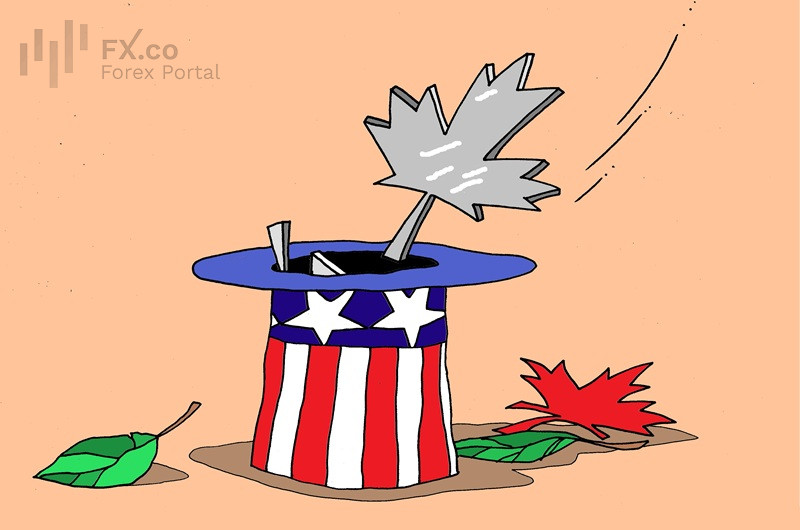
Canada is physically incapable of fully meeting US aluminum demand even if it delivers absolutely all of its domestic volumes to its neighbor. Morgan Stanley analysts reached this conclusion as they assessed the market implications of a possible cut in US import tariffs.
US industry is heavily reliant on foreign supplies: imports cover roughly 80% of domestic consumption. Historically, Canada has been Washington’s main partner, providing 68% of US imports (an average of 192,000 tonnes per month in the first half of 2026). But the market math is relentless: total Canadian output over that period was 1.6 million tonnes, equivalent to only about 95% of US import needs.
Washington is currently discussing slashing tariffs on part of Canadian aluminum from 50% to 25%. Morgan Stanley believes such a move would strongly encourage Canadian producers to redirect exports, abandoning duty‑free shipments to Europe in favor of US buyers.
However, it would not produce a price miracle in the domestic market. The US would still need to buy the remaining shortfall from countries subject to the full 50% duty, so the Midwest premium would remain linked to the high tariff. Analysts expect only a modest correction: the premium might lose half of its current markup, dropping by roughly $0.10–$0.12 per pound. The European market could see a temporary rise in premiums due to the lack of Canadian metal, but producers from the Middle East are likely to fill that gap quickly.


