FX.co ★ Эволюция скорости – от одной лошадиной силы до звездолета


Эволюция скорости – от одной лошадиной силы до звездолета
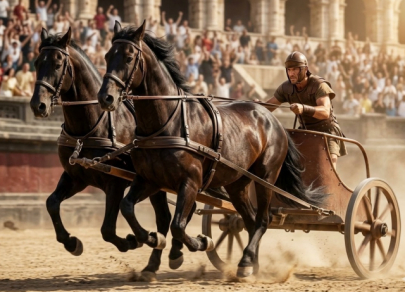
Первая искра тяги – боевые колесницы
Две тысячи лет назад колесница была сродни современному истребителю. Легкие конструкции из дерева и кожи, запряженные парой резвых лошадей, развивали скорость до 40 км/ч. Это была первая попытка оторвать человека от земли и доверить передвижение механике. Гул колес и пыль из-под копыт стали символами мощи и прогресса. Инженерная мысль того времени была сосредоточена на балансе и прочности осей. Именно колесницы подарили нам тот азарт гонок, который впоследствии перекочевал в кокпиты болидов «Формулы-1» и кабины сверхзвуковых самолетов.
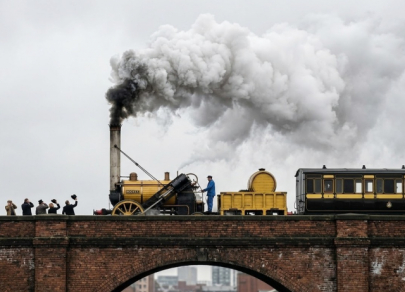
Дыхание промышленной революции – «Ракета» Стефенсона
В 1829 г. паровоз Джорджа Стефенсона развил скорость 48 км/ч – показатель, казавшийся тогда немыслимым. Люди всерьез опасались, что человеческий мозг может не выдержать подобных нагрузок. «Ракета» стала символом заката эпохи гужевого транспорта. Эта ревущая машина, извергающая пар и пламя, сократила расстояния между городами и навсегда изменила торговлю и ритм жизни. Это был момент, когда тепловая энергия начала массово преобразовываться в механическую тягу, открывая путь в мир, где скорость больше не зависела от выносливости животных.
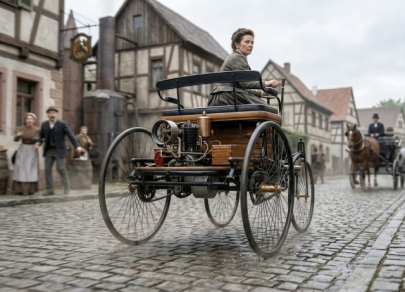
Мощность Benz Patent-Motorwagen
Первый автомобиль Карла Бенца (1886 г.) развивал скорость всего 16 км/ч, но он совершил главное – подарил людям свободу передвижения. Трехколесный экипаж с тарахтящим двигателем внутреннего сгорания казался современникам шумной игрушкой. И все же эта «механическая повозка» заложила фундамент современной автомобильной культуры. Бенц доказал, что компактный мотор способен заменить конную упряжку. С этого момента началась гонка за мощностью, увенчавшаяся столетие спустя появлением гиперкаров, способных развивать скорость 400 км/ч.
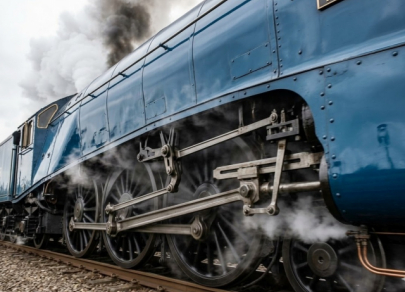
Чистая стихия пара – локомотив Mallard
В 1938 году обтекаемый синий локомотив Mallard установил мировой рекорд скорости для паровозов, разогнавшись до 202,7 км/ч. Его футуристический дизайн в стиле ар-деко отвечал законам аэродинамики. Это был триумф паровой тяги, сочетавший в себе огромные ведущие колеса, стальной корпус и прецизионную настройку каждого механизма. Mallard доказал, что даже громоздкий паровоз может быть элегантным и быстроходным. Этот рекорд не побит до сих пор. Локомотив остается памятником эпохе, когда инженеры выжимали максимум из пара и металла, прежде чем на смену им пришли тепловозы и электровозы.
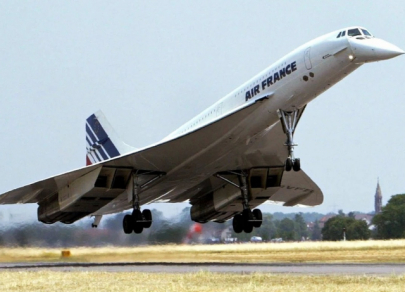
«Конкорд» – обед в Париже, завтрак в Нью-Йорке
Сверхзвуковой пассажирский лайнер «Конкорд» стал символом эпохи, когда казалось, что небо покорено. Развивая скорость 2179 км/ч (вдвое превышающую скорость звука), он пересекал Атлантику за 3,5 часа. На высоте 18 км пассажиры могли наблюдать кривизну земного горизонта и черноту космического пространства. Из-за трения о воздух носовая часть самолета разогревалась до 127 градусов. Это был триумф авиационной эстетики: узкий фюзеляж, треугольное крыло и опускающийся нос. «Конкорд» доказал, что мы способны летать быстрее звука, словно уменьшая планету и наделяя роскошь стремительностью.
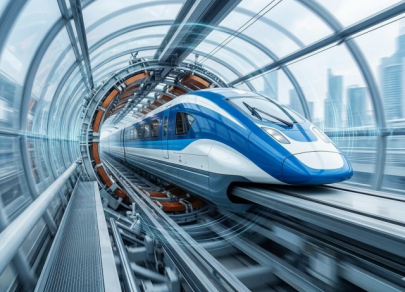
Магнитная левитация
Японские и китайские поезда на магнитной подушке «парят» в нескольких сантиметрах над путями. Благодаря отсутствию трения колес они способны развивать скорость более 600 км/ч. Здесь нет привычного стука колес – слышен лишь свист рассекаемого воздуха. Магнитная левитация воплощает мечту о поезде будущего, в котором электричество приходит на смену механическому контакту. Это самый быстрый наземный общественный транспорт, превращающий поездки между городами в полет по прямой и стирающий границы между железной дорогой и авиацией.
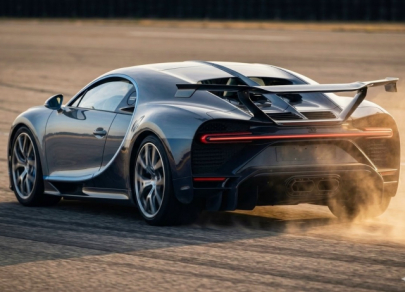
Счет идет на тысячи – гиперкар Bugatti Chiron
Современные гиперкары – это вершина автомобильной эволюции. Развив скорость 490 км/ч, Bugatti Chiron Super Sport 300+ бросил вызов возможностям шин и дорожного покрытия. Чтобы удержать такой автомобиль на трассе на столь высокой скорости, необходимы сложные антикрылья и системы активной аэродинамики. Его двигатель W16 мощностью 1600 л. с. потребляет столько воздуха, сколько человек вдыхает за неделю. Это демонстрация технологического превосходства, где каждая деталь – от титановой выхлопной системы до кожаной отделки салона – спроектирована так, чтобы противостоять сопротивлению воздуха.
Вакуумный рывок – Hyperloop
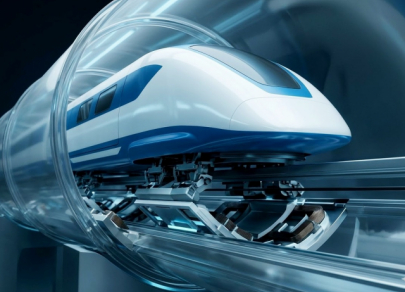
Идея Илона Маска о перемещении капсул в вакуумной трубе призвана обеспечить на земле скорости, сопоставимые с авиационными. Благодаря отсутствию сопротивления воздуха и трения капсулы, использующие технологию магнитной левитации, могут разгоняться до 1200 км/ч. По сути, это самолет без крыльев, движущийся внутри трубы. Проекты Hyperloop обещают соединить города, сократив время в пути до считанных минут и сделав поездки на тысячи километров такими же простыми, как поездка на метро. Это новый рубеж наземных скоростей, где технологии изолируют пассажира от внешней среды, позволяя достичь максимального ускорения.
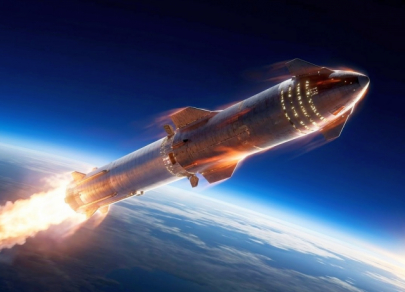
Ускорение на пути к жизни на других планетах – SpaceX Starship
Варп-двигатели пока остаются лишь на страницах книг, но Starship уже спроектирован так, чтобы разгоняться до 27 000 км/ч для выхода на орбиту. Это скорость, позволяющая покинуть привычный мир и стать частью космоса. Межпланетные перелеты требуют скоростей, которые с трудом поддаются человеческому осмыслению. Starship – это не просто ракета, а транспортная система будущего, способная превратить человечество в мультипланетарный вид. Здесь эволюция скорости достигает своего логического предела в рамках современной физики: мы больше не обгоняем лошадей – мы обгоняем саму планету.