


















The pound, paired with the dollar, approached another psychologically important level of 1.2500 and a breakdown of which would open the way to 22-20 figures. The pair is consistently declining and discovering new price horizons slowly but surely.
However, it is not so new. The GBP/USD bears literally approached the base of the 24th figure in December of last year against the background of Theresa May's first failure in the House of Commons but then, the downward trend did not get its continuation. Both the parliament and the prime minister were opponents of the tough Brexit, hence the pound returned to the area of 30th figure in a few months. Now the situation is radically different. Boris Johnson, who has been the Prime Minister for five minutes, is not only not "afraid" of the chaotic Brexit, but it also declares the country's readiness to implement such a scenario. In turn, Brussels only throws up his hands, declaring a similar readiness on his part. A somewhat play of nerves will soon reach its apogee and given the outcome of Theresa May's political career, Johnson is unlikely to repeat her steps - at least in the context of the prolongation of the negotiation process.
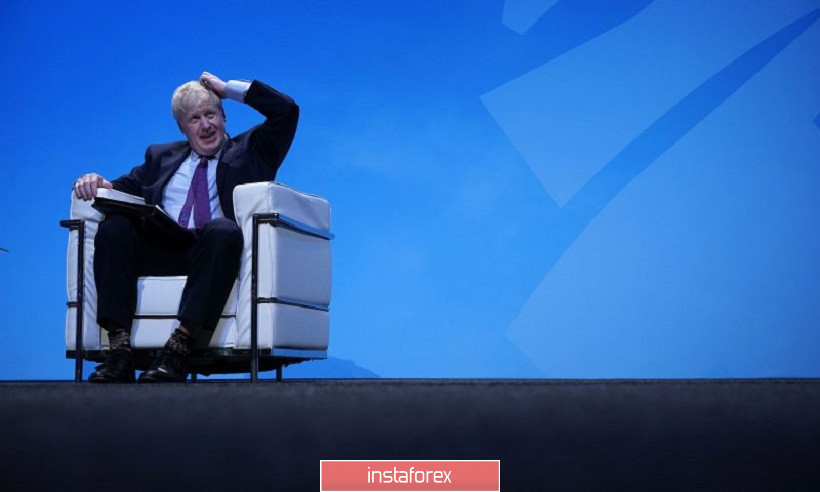
It is worth noting that the political struggle for the post of leader of the Conservative Party (and, therefore, for the post of the Prime Minister of the country) has become a mere formality. Although there was a certain intrigue a few weeks ago, when his rival, Jeremy Hunt, bypassed him in a general (not among the conservatives) poll against the background of the family scandal of Boris Johnson. However, Johnson managed to regain his position, beating the situation in his favor. As a result, he became the undisputed favorite of the political race. According to a recent poll conducted by YouGov, former Foreign Minister Boris Johnson has the maximum chance of becoming the next British Prime Minister. As of July 6, about 74% of the members of the Conservative Party supported him, crushing the numbers compared to his rival, Hunt, with only 26%.
According to many political analysts, Jeremy Hunt was let down by his political hesitations regarding Brexit's prospects. At first, he followed a tough position but then softened it. Particularly in early June, he stated that when electing a "right approach to the problem", the European Union would be ready to consider the possibility of new talks on Brexit. This was allegedly hinted to him by German Chancellor Angela Merkel. Hunt initially held a less rigid position compared to Johnson regarding the prospects of the divorce process but then substantially softened his rhetoric. Apparently, they decided to rely on centrist-conservatives. However, this strategy was a losing one, after which Hunt again tightened his position, saying that in any case, Brexit would take place on October 31. However, the electorate did not like such fluctuations and Hunt finally lost the chance of winning the political struggle for the premiership. According to the above poll, the vast majority of 160,000 members of the Conservative Party (who will vote in the final race) do not believe in Hunt's ability to withdraw Britain from the European Union without a deal. Johnson looks more confident and uncompromising in this context.
Thus, we can already speak about Boris Johnson as the next premiere of Britain. In turn, he said that the country will leave the European Union on October 31 regardless of whether an agreement is reached. He repeated this thesis again on the day before yesterday in an interview with the British press and added that Britain was ready to leave the EU at the end of March. He considers it "critically important" for Europe to understand that the UK is ready to leave without a deal. According to Johnson, any attempts to prolong the negotiation process are done by Brexit's opponents to keep Britain within the EU.
Johnson's position is dictated not only by his personal political ambitions: the Conservative Party's rating is at stake. According to sociologists, the polarization of opinions is growing among the British. For example, the leaders of the political sympathies of the British are those parties that occupy unambiguous positions regarding Brexit's prospects - either for or against. For example, if elections were held this weekend, the largest political party in the House of Commons would be the Liberal Democrats, who consistently demand a new referendum on Brexit. Liberals would get 24% of the vote but their antipode - Nigel Faraj's "Brexit Party" would have gained 22% of the vote. In this rating, the conservatives do not occupy the first positions at all and largely due to the indecisiveness (from the point of view of the "hawks" conservatives) of Theresa May.
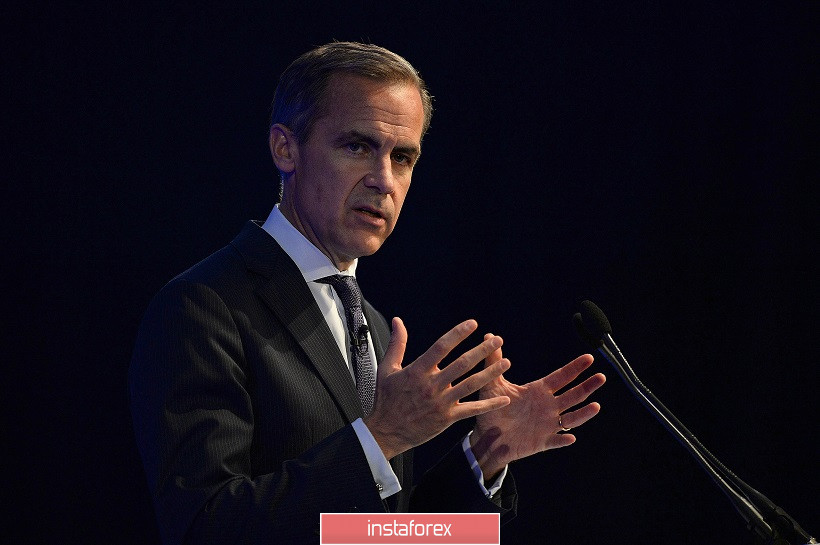
That is why Johnson will lead the country to secede from the EU, including from the head of the Bank of England, despite many warnings. Last year, Mark Carney warned about the extremely negative consequences of hard Brexit. In particular, he said that if Britain withdraws from the EU without a deal then the country will have to rely on the conditions of the WTO. The head of the English regulator even admitted the likelihood that the monetary policy would be revised in the direction of easing in this case. Since then, Carney's rhetoric has not undergone any fundamental changes.
Thus, the fundamental picture for the British currency remains negative. Therefore, it is advisable to consider any corrective kickbacks as a reason for opening short positions in the GBP/USD pair. It is likely that such an opportunity will present itself this week if Powell in Congress confirms the Fed's intention to lower the interest rate at the July meeting.


