


















The USD/CAD pair is struggling to strengthen after a decent rebound from the round level of 1.3800, which is the lowest value since September 22. At the moment, spot quotes fluctuate around 1.3850, but traders are cautious and avoid opening active positions amid mixed fundamental factors.
Optimistic employment data from Canada, published last Friday, reinforced the Bank of Canada's "hawkish" outlook, which typically supports the Canadian dollar and puts pressure on USD/CAD. At the same time, the potential for CAD appreciation is limited by risks that the United States, under President Donald Trump, may introduce new tariffs on agricultural products, including Canadian fertilizers and Indian rice.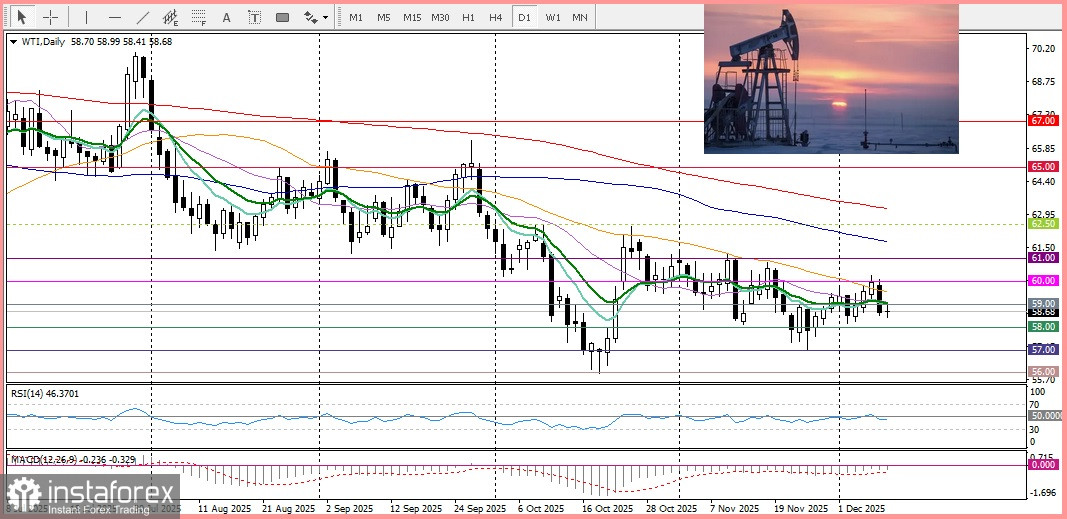
Meanwhile, oil prices continue to consolidate the substantial losses incurred the day before, which negatively affects the Canadian dollar—closely tied to commodity markets—and supports the USD/CAD pair. However, bullish investors are in no hurry to take decisive action, since recent U.S. dollar strength has been constrained by expectations of further rate cuts by the Federal Reserve, limiting buyers' activity.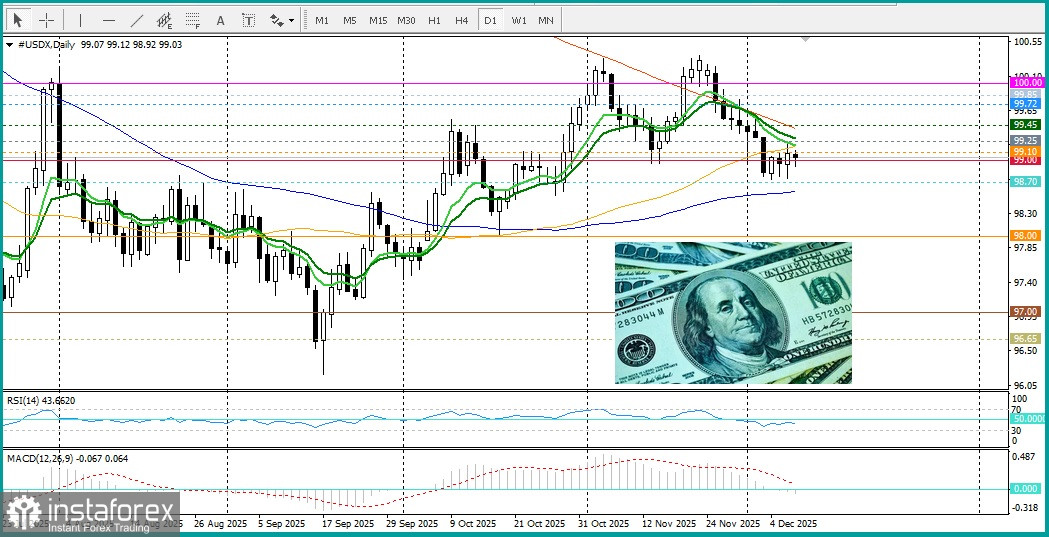
Additionally, market participants prefer to remain patient ahead of key monetary policy–related events this week: the upcoming update of the Bank of Canada's programs and the long-awaited Fed rate decision on Wednesday. Important U.S. macroeconomic releases are also scheduled for Tuesday—the weekly ADP employment report and JOLTS job openings data—which may provide additional momentum. Nevertheless, the divergent outlook for Bank of Canada and Federal Reserve policies requires a cautious approach from investors hoping for a continued rise in USD/CAD.
From a technical perspective, the recent drop below the 200-day SMA favors the bears, and oscillators on the same chart are also negative. However, attention should be paid to the fact that the Relative Strength Index is close to the oversold zone, confirming a minor pullback. Even so, the path of least resistance for the pair remains downward.


