


















Venezuela possesses some of the largest proven oil reserves in the world, but its production has sharply declined in recent years due to sanctions and low investment. For the U.S., control over the political transition opens the possibility of restarting production under the management of or with the participation of American oil companies, which Trump explicitly stated when speaking about granting major American oil companies access to Venezuelan fields.
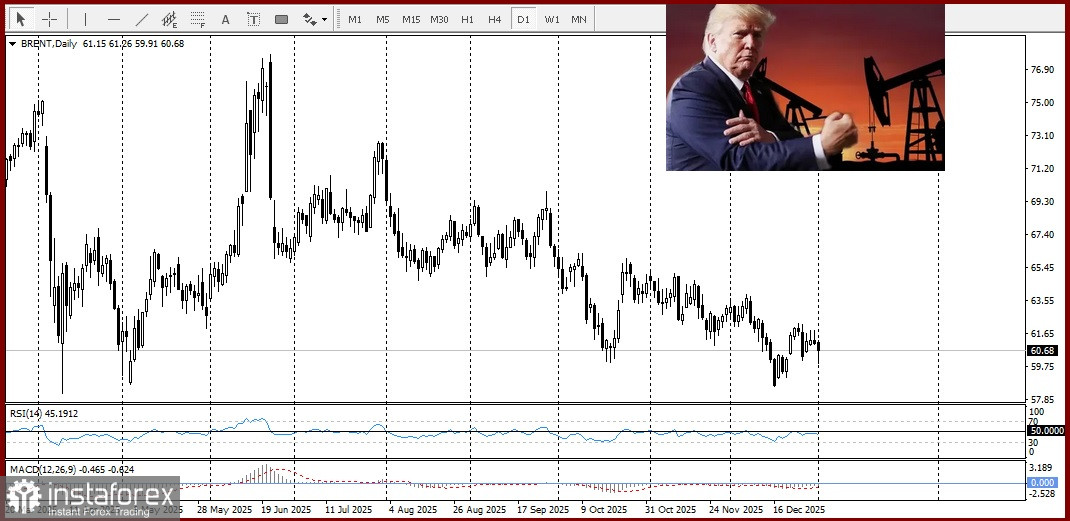
Maintaining a formal embargo while exercising de facto control over the regime can be used as a tool for selective access to Venezuelan oil for Washington and for pressure on competitors, including Russia and Iran, in the struggle for market share in heavy crude grades. In the medium term, the lifting of restrictions and the restoration of Venezuelan production could increase global supply and put downward pressure on oil prices, provided there is no simultaneous significant reduction in supplies from other regions.
Strengthening U.S. control over the flow of Venezuelan oil and its settlements typically implies consolidation of the dollar's role as the key settlement currency in commodity trade, especially if Washington ties the lifting of some sanctions to the use of American financial infrastructure. This increases demand for the dollar through a rise in dollar-denominated settlements and the servicing of debt and investment operations associated with restructuring Venezuela's oil sector.
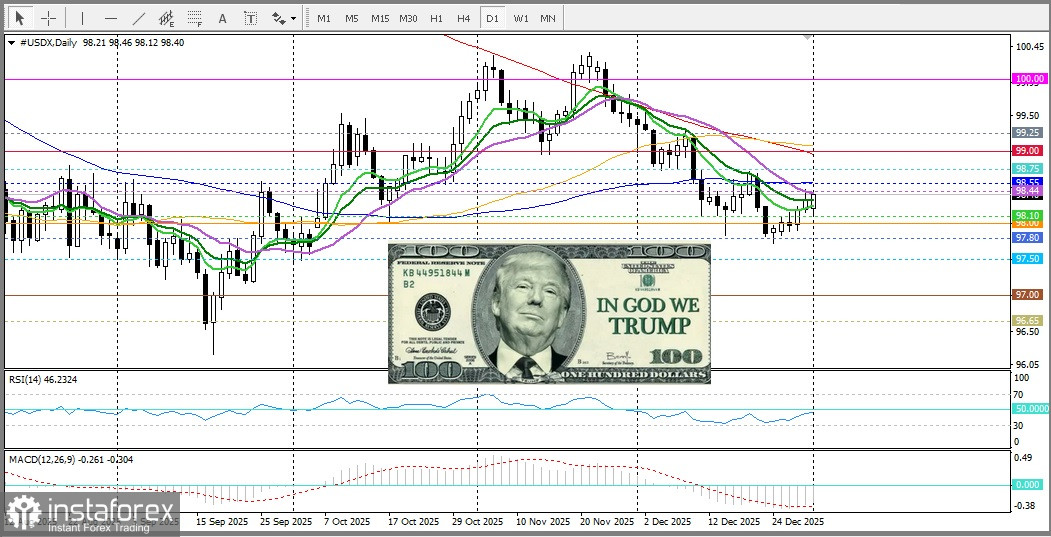
On the other hand, a military operation and the rise in geopolitical risk typically increase the attractiveness of safe-haven assets, which markets often include the dollar and U.S. Treasuries, supporting the American currency in the short term. For countries dependent on oil imports, the combination of a geopolitical premium in energy prices and a stronger dollar creates pro?inflationary pressure and increases the costs of servicing external debt denominated in U.S. currency.
A potential shift of Venezuela from the camp of U.S. opponents into a zone of direct U.S. influence reduces the risk of dedollarization of the country's oil flows and limits room for alternative settlement schemes involving China or Russia. In the long term, this reinforces the "petrodollar" architecture, where control over key exporters and transport infrastructure supports global demand for the dollar as a reserve and settlement asset.
However, the scale of military escalation and its perception as a precedent for resolving resource conflicts by force may prompt some states — both importers and exporters — to accelerate reserve diversification and seek alternatives to the dollar, creating a dual effect: tactical strengthening of the dollar's position alongside a strategic increase in motivation for gradual diversification.


