


















Surge in software stocks and positive S&P 500 momentum

AI plugins from Anthropic recently shook up the US market, as investors sought out losers, and software companies were among the hardest hit. However, by the end of February, new developments emerged—not as replacements but as complementary solutions to existing offerings. The S&P 500 responded positively to this news. The boost was further supported by Meta's $100 billion chip order from AMD.
As a result, the most reviled software stocks rallied faster than others, as the market reassessed the notion that AI is a competitor, not a helper. The capital rotation between the US and the rest of the world is no longer viewed as a clear-cut outflow. The big question remains: Will US leadership make a comeback, or will other regions continue to outpace the US? Follow the link for more details.
Positive earnings expectations for NVIDIA

Investors have stopped blindly buying everything related to AI and are now focusing on clear winners and losers. As a result, the S&P 500 is riding the waves of this capital rotation. In the latest rally, IBM, Oracle, and software ETFs were the winners—stocks that were previously sold off due to fears of AI. The key catalyst was NVIDIA's earnings report: $68.1 billion in sales, with a 75% surge in data center revenue and a 94% jump in net profit.
Many of these positive developments are already priced into the market, so a gap-up followed by a potential sell-off on the "buy the rumor, sell the news" principle is possible. Bears still hold three key advantages: weak AI returns relative to massive investments, past investor enthusiasm, and the potential harm AI could inflict on business. Follow the link for more details.
US considers raising global tariffs on imports
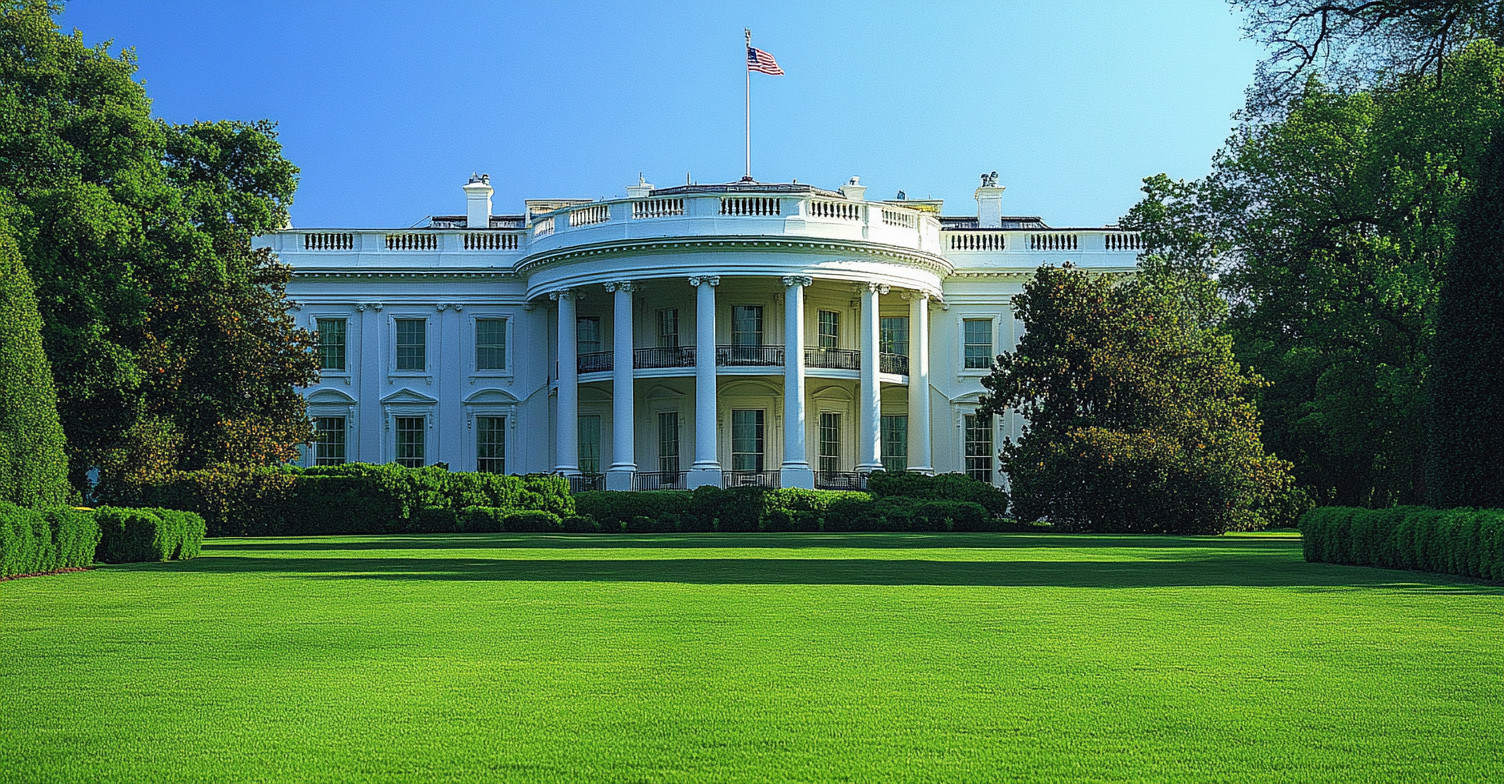
In the ongoing US tariff campaign, Donald Trump is employing a hybrid approach: the White House has implemented a temporary 10% tariff on a wide range of imports for 150 days, with a potential increase to 15% "where appropriate." At the same time, tougher tariffs on China remain in place, ranging from 35% to 50%. A meeting between Trump and Xi Jinping, scheduled for late March or early April, is expected to clarify the terms for extending the existing tariff truce.
Meanwhile, Beijing is actively expanding its international ties. President Xi Jinping and his representatives have held discussions at various levels with over 20 countries. In a recent meeting with German Chancellor Friedrich Merz, Xi emphasized the need for more active cooperation on strategic issues. He spoke about strengthening trust between Beijing and Berlin and expanding joint efforts in support of multilateralism and free trade. Follow the link for more details.
NVIDIA reaffirms its role as key AI infrastructure provider

NVIDIA exceeded expectations once again: its quarterly report showed revenue and profit above forecasts, with the company guiding for Q1 revenue between $76.44 billion and $79.56 billion (versus Wall Street's consensus of $72.8 billion). Notably, this forecast does not include potential sales in China. The main growth driver remains the data center business, which generated $62.3 billion (beating expectations), while revenue from computing solutions grew by 58% year-over-year, and sales of networking equipment soared by 263%, reaching $11 billion.
Market reaction has been measured: the stock rose by about 3% in after-hours trading but retraced part of those gains. Since the beginning of the year, the stock has gained only a few percentage points, outperforming AMD and Broadcom but lagging behind Intel. The key question for investors is whether this strong growth can be sustained after 2026. If demand starts to wane, the growth rate could moderate. There are also risks: the gaming segment's revenue fell short of expectations ($3.7 billion vs. $4 billion). Follow the link for more details.


