


















The statements from G7 representatives about their readiness to intervene to stabilize supplies, although with the caveat of immediate application, have undoubtedly influenced market sentiment. The possibility of using strategic oil reserves, while still hypothetical at this moment, sends a strong signal that global powers are prepared to act in the event of further escalation or a supply threat. This creates a certain buffer for consumers and producers.
Trump's latest initiative to escort oil tankers with U.S. military ships, announced amid the effective closure of the Strait of Hormuz, represents a more direct and risky move. Attempting to secure maritime routes critical to the global oil market could either reduce supply-disruption-related tensions or provoke further escalation of the conflict. The effectiveness of this measure will depend on numerous factors, including other countries' responses and the actual ability to prevent attacks. However, it is worth noting that a similar initiative was proposed by Trump previously, only for him to abandon it a few days later.
Yesterday, the American leader stated that he plans to lift oil-related sanctions. By making this announcement, he likely appeals to his electorate, which sees the removal of sanctions not only as an economic benefit but also as a means to mitigate the sharp price increases resulting from his actions in the Middle East. Lifting sanctions on certain oil-producing countries will inevitably lead to an increase in supply in the global market. This, in turn, may lead to a decline in oil prices per barrel, which would certainly please consumers and vehicle owners.
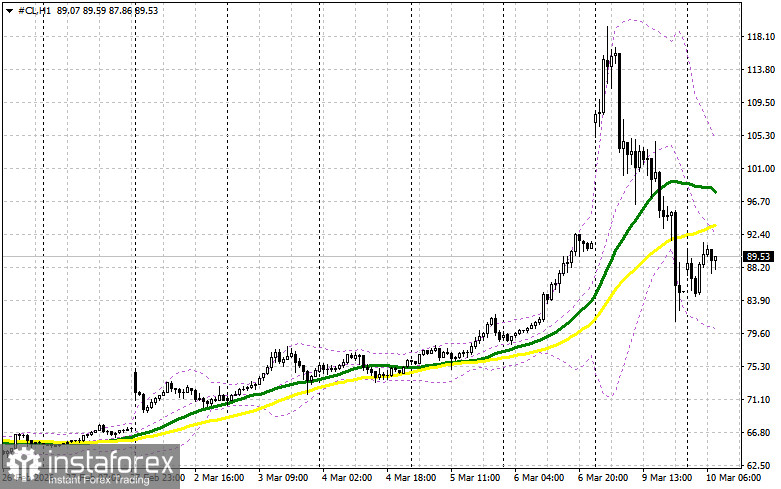
In any case, the decline in oil prices, even if temporary, can be seen as a reflection of stabilization in expectations regarding supply. However, considering the fragility of the situation in the region and the ambiguity of politicians' statements, this trend may prove to be unstable. The oil market remains highly sensitive to geopolitical events, and any new statements or actions could lead to further price fluctuations.


