



















As trading opens on Sunday evening in Asian markets, the steady growth in the number of jobs last month is expected to exert pressure on precious metal prices. Fresh data from the US Bureau of Labor Statistics, released on Friday, indicates that the number of non-farm jobs increased by 178,000 in March—significantly above the forecast, which anticipated a gain of about 65,000. The report notes that job growth was primarily observed in the healthcare, construction, transportation, and logistics sectors, while employment in federal agencies continued to decline. At the same time, the unemployment rate dropped to 4.3% from February's 4.4%, contrary to expectations that it would remain unchanged.
Since gold trading was paused for the Easter weekend, there was no immediate market reaction to the positive labor market data. However, some experts suggest that a strong report will allow the Federal Reserve to maintain a neutral stance on monetary policy amid rising inflation risks.
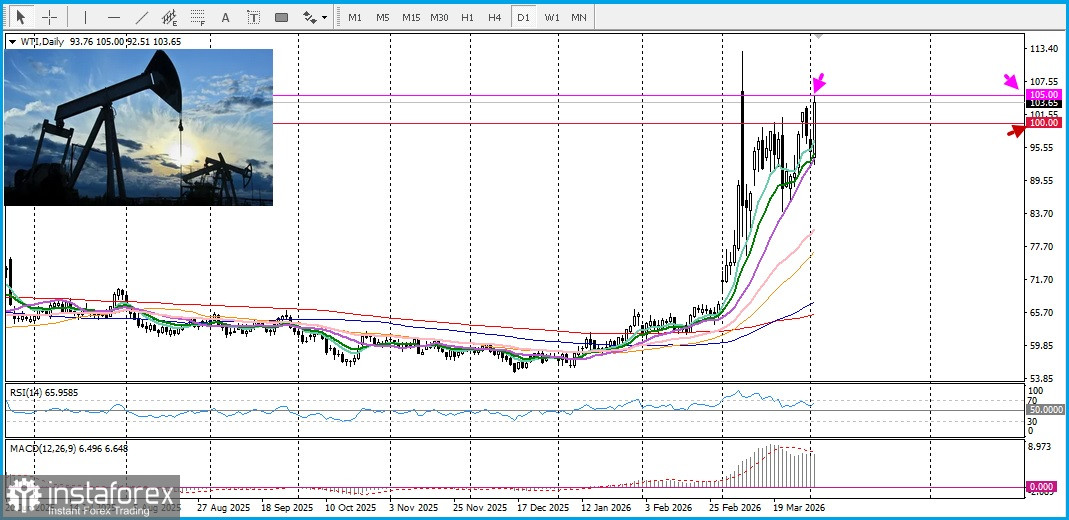
Recently, gold has been under pressure due to the conflict in Iran disrupting global supply chains, particularly in the energy sector, which has pushed oil prices above $100 per barrel. As a result, global inflation concerns have forced central banks to temporarily pause monetary easing.
Analysts emphasize that gold's return to its status as a safe-haven asset is only possible with weak economic indicators that would heighten fears of stagflation and push central banks toward rate cuts, even amid ongoing inflationary pressure.
In addition to strong macroeconomic data, the Fed received another signal: wage inflation came in below expectations. According to the report, average hourly earnings rose by only 0.2% (nine cents), reaching $37.38, while the February figure increased by 0.4%. Economists were expecting a more robust 0.3% growth rate, indicating a slowdown in income dynamics. Additionally, the overall employment data was adjusted ambiguously: January figures were revised upward by 34,000 jobs (to 160,000), while February figures were revised downward by 41,000 (to -133,000).
Chris Zaccarelli, Chief Investment Officer at Northlight Asset Management, emphasized that most of the March data was compiled before the US and Israel launched military actions against Iran. According to him, this suggests the stability of the American economy. "To some extent, the reduced likelihood of an imminent rate cut by the Fed seems logical; at the same time, the report confirms that the labor market remains resilient, supporting consumer spending—the key driver of current economic growth," he noted.
From a technical perspective, regarding the dollar, despite Zaccarelli's forecasts of economic potential for a rate cut, the dollar is not ready to weaken, as indicated by oscillators in a positive zone. Meanwhile, gold is technically under pressure from sellers, with oscillators in a negative zone. However, the fact that prices have not fallen below the 200-day SMA leaves hope for bulls to overcome the 20-day SMA and gain control over bears.


