



















Amid rising hopes for de-escalation in the US-Iran conflict and improving investor sentiment, global markets are hitting new highs, and the structure of demand for commodities and financial strategies is shifting.
Silver continues to move into deficit territory, and the World Silver Institute's forecasts point to a widening gap in 2026. Hedge funds are increasingly revising their trading systems: from crypto?based strategies toward oil, gold, and indices.
At the same time, the tech sector is in the spotlight — US juries have issued verdicts against Meta and Alphabet, reinforcing a trend toward greater platform accountability for product design and harms to users, particularly children.
Global markets hit records: optimism on US-Iran eases the "war premium"
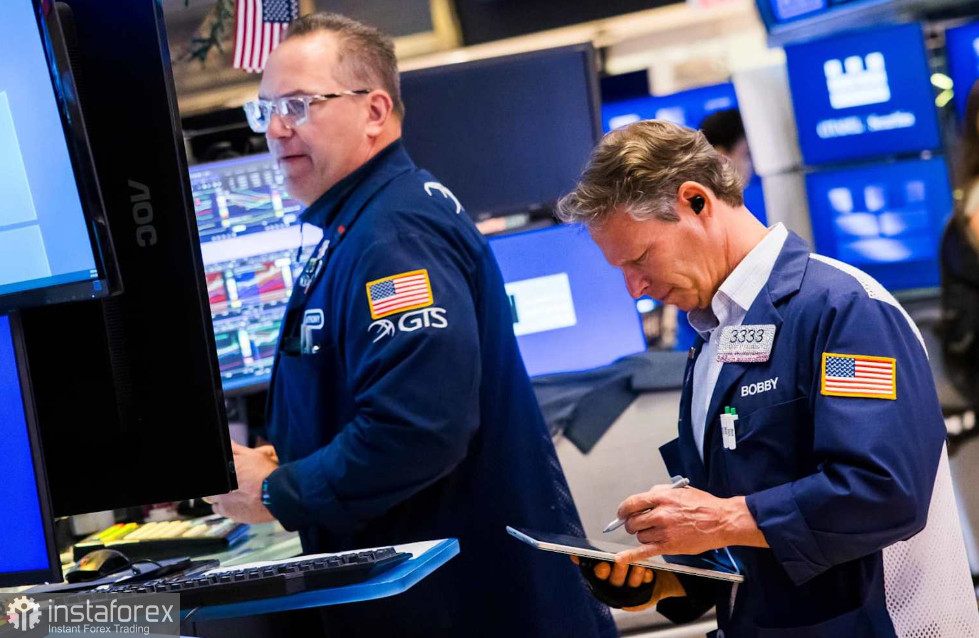
On Thursday, April 16, 2026, global stock markets extended their rally and hit all-time highs. Traders took on more risk as expectations grew for a diplomatic resolution between the US and Iran, corporate earnings beat forecasts, and Chinese macro data came in better than analysts had expected.
Japan's Nikkei 225 closed at 59,518, up 1,384 points and, for the first time ever, settled above 59,000. Reuters reports that the MSCI global index covering 47 countries rose for a tenth consecutive session to new record levels.
The positive tone extended to US markets: CNBC reported that the S&P 500 closed above 7,000 for the first time since January, at 7,003.82. The New York Times notes the index is about 10% above the low marked on March 30, the nadir of the conflict period.
The rally was primarily catalyzed by the prospect of a diplomatic turnaround in the US-Iran conflict that flared in late February. President Donald Trump said peace talks could resume "within the next two days," while mediators worked to organize a second round of direct talks in Islamabad ahead of the ceasefire expiry on April 21, Business Mirror reports.
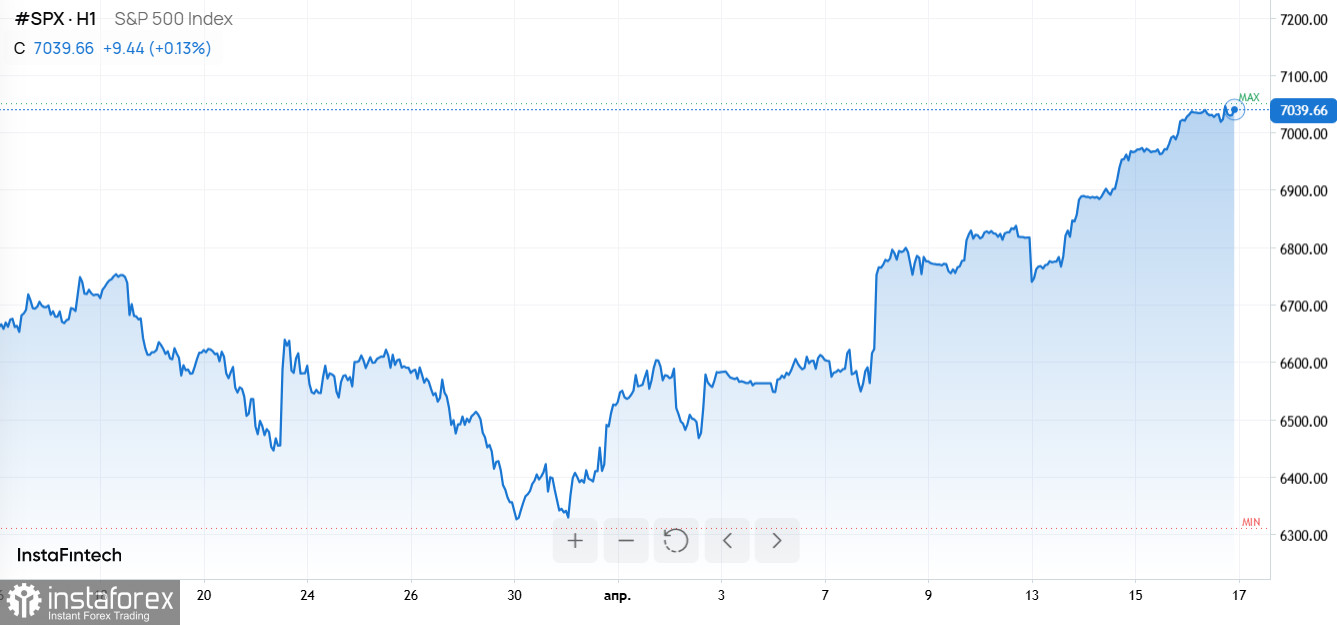
On the commodity side, optimism received additional support: Brent traded just below $95/bbl on Thursday and WTI around $91 — well below the $120 peak hit in the early weeks of the war, NDTV Profit notes. Falling energy prices helped the market partly remove the so-called "war premium" priced into equities.
Key takeaways
The market is shifting to a calmer risk assessment: index gains to record highs and lower oil suggest investors are pricing in a chance of de-escalation. For traders, this means greater interest in strategies that benefit from continued "risk-on" moves and in trading pullbacks after strong impulses. Trading instruments linked to global indices and the oil sector are available on InstaForex. To react faster to market moves and news, open an account on the platform and install the InstaForex mobile app.
Silver back in deficit: World Silver Survey 2026 warns of a widening gap in 2026
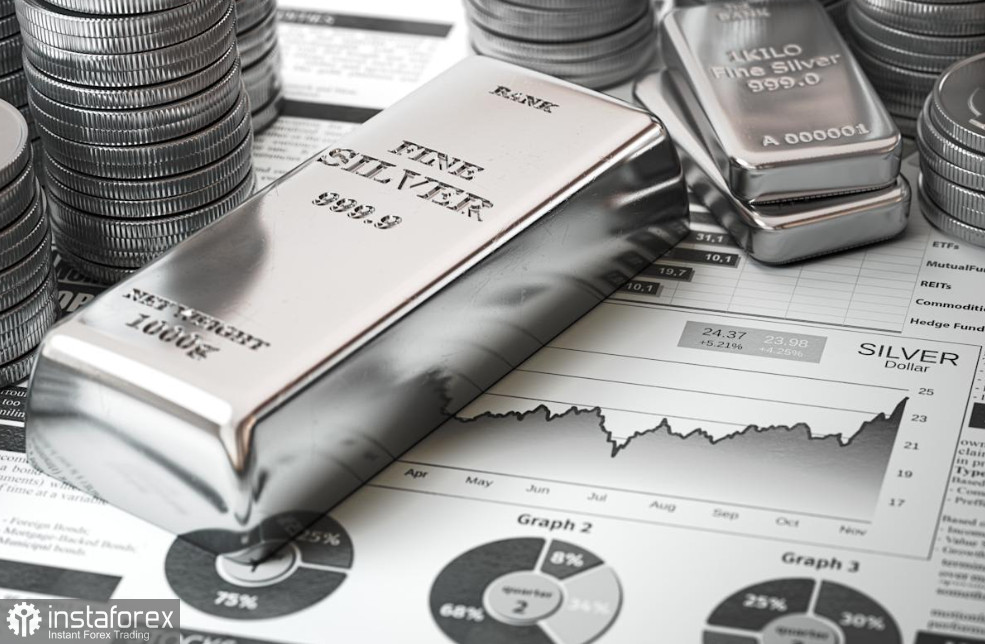
The global silver market closed 2025 with a supply deficit for the fifth consecutive year, and the World Silver Survey 2026 (World Silver Institute with Metals Focus) warns the gap may widen in 2026.
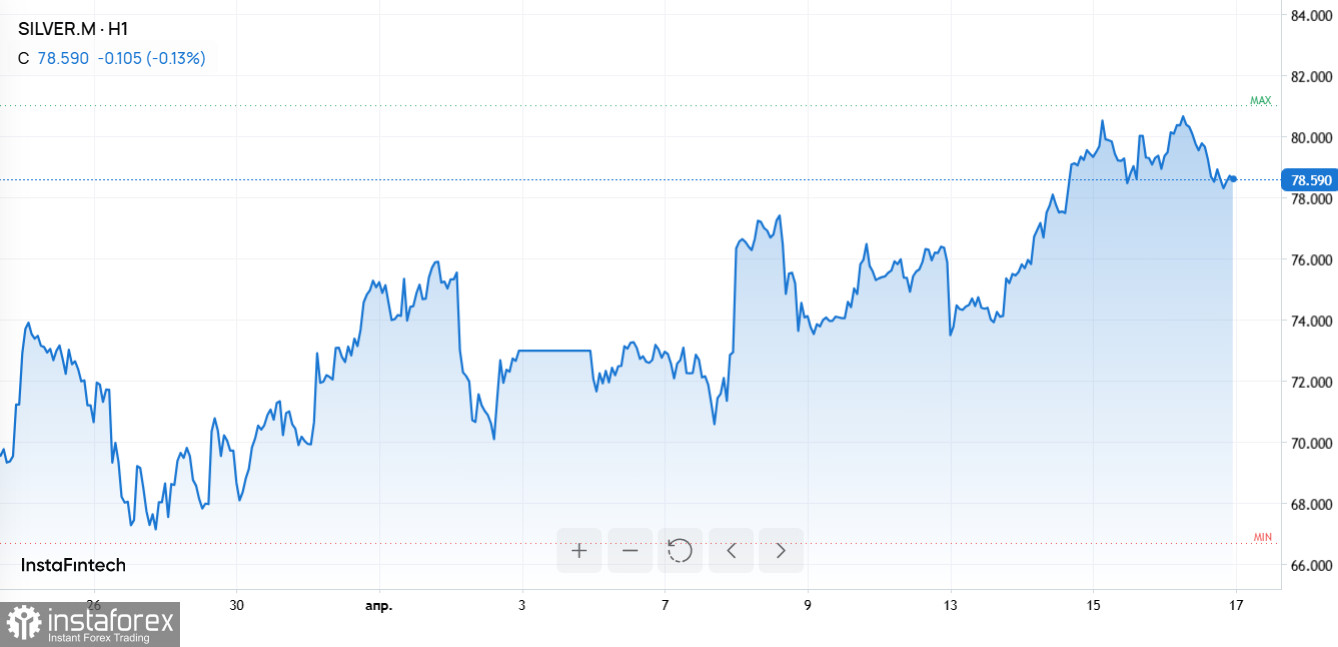
According to the report, the 2025 silver deficit was 40.3 million troy ounces — less than the record 148.9 million ounces in 2024, but still enough to draw down above-ground stocks and create liquidity tightness. The shortage's impact was especially visible in October, when the deficit pushed lease rates for the metal sharply higher.
The 2026 outlook is more strained: the supply gap is expected to grow by about 15% to 46.3 million troy ounces, making 2026 the sixth consecutive year of structural deficit.
Total silver demand in 2025 fell 2% to 1.13 billion troy ounces. The main driver was a 3% drop in industrial demand to 657.4 million ounces — the first decline since the pandemic. Weakness was concentrated in the photovoltaic (solar) sector: silver use in solar fell 6% to 186.6 million ounces in 2025, as manufacturers economize on material and substitute copper in part.
The solar outlook is expected to deteriorate further: PV Magazine projects 2026 solar silver demand at about 151 million ounces — a 19% decline year-on-year.
Investments in AI infrastructure, EV production and grid development partially offset losses from the photovoltaic sector, but not enough to stop the overall industrial demand decline.
Key takeaways
The report concludes that silver's structural deficit (40.3 million oz in 2025) may widen to 46.3 million oz in 2026. The demand drop is driven mainly by the solar sector's weakness (-6% in 2025, potentially -19% in 2026). Industrial demand softness remains a risk despite pockets of support from AI infrastructure, EVs and grids.
Crypto hedge funds reallocate: trading systems move into oil, gold, and indices

Infrastructure that hedge funds built for around?the?clock crypto trading is being redeployed to classic markets.
As returns on key crypto strategies fall, managers increasingly port their automated systems to commodities — crude oil, gold — and stock indices. The shift is driven by geopolitical shocks in the Middle East and growth in tokenized real-asset markets.
The pivot to commodities reflects that basis?driven approaches tied to Bitcoin have lost efficiency. The once?profitable arbitrage between spot ETFs and CME futures delivered annual returns of 15–25% through much of 2024 and early 2025, but by early 2026 that figure had fallen to roughly 5% — barely above the ~4.5% US risk?free rate.
CoinShares data show hedge funds' exposure to Bitcoin ETFs fell by one-third in BTC terms as funds closed positions. Open interest in CME Bitcoin futures dropped to a 14-month low, falling below $8 billion in March after peaking above $21 billion.
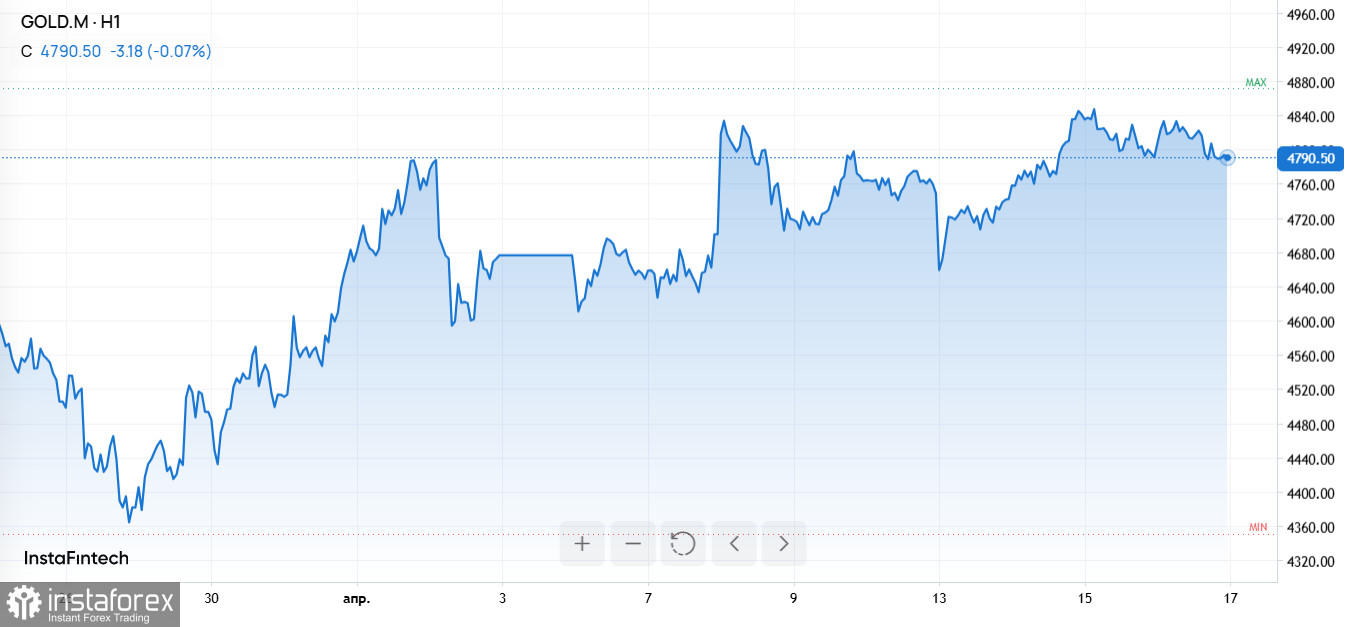
Because the quant trading mechanics remain intact, managers are migrating methods to other asset classes. Alpha EV, founded by Taylor Godwin, applied relative?value strategies across commodities: one trade — short silver / long copper — exploited funding rate divergences and produced weekly returns of 20%+.
Market estimates suggest commodity-focused strategies can yield about 1–3% monthly, whereas traditional crypto strategies currently deliver roughly 0.5%.
Key takeaways
Hedge funds' reprioritization shows automated strategies are not disappearing but changing venues. Reduced effectiveness of Bitcoin-based trading and declining CME open interest create opportunities for those ready to trade commodities and tokenized assets via modern infrastructure.
US juries deliver back?to?back verdicts against Meta and Alphabet: platforms held responsible for addiction

Over two days, juries in New Mexico and California returned consecutive verdicts against Meta and Alphabet, rulings that could materially change legal accountability for tech platforms. Both cases centered on harms linked to deliberately "sticky" product designs.
On March 24, in Santa Fe, New Mexico, a jury found Meta liable under state consumer protection laws. Meta was ordered to pay $375 million in civil penalties, with damages capped at $5,000 per violation. The verdict was based on allegations that Meta misled users about the safety of Facebook, Instagram, and WhatsApp and created conditions that facilitated the sexual exploitation of children on its platforms.
New Mexico Attorney General Raul Torres called the verdict "a significant victory for every child and every family harmed by Meta's choice to put profit above children's safety."
A separate phase of proceedings will consider whether Meta must be held accountable for creating a public hazard and whether platforms can be required to change their operations; that phase is set to begin on May 4.
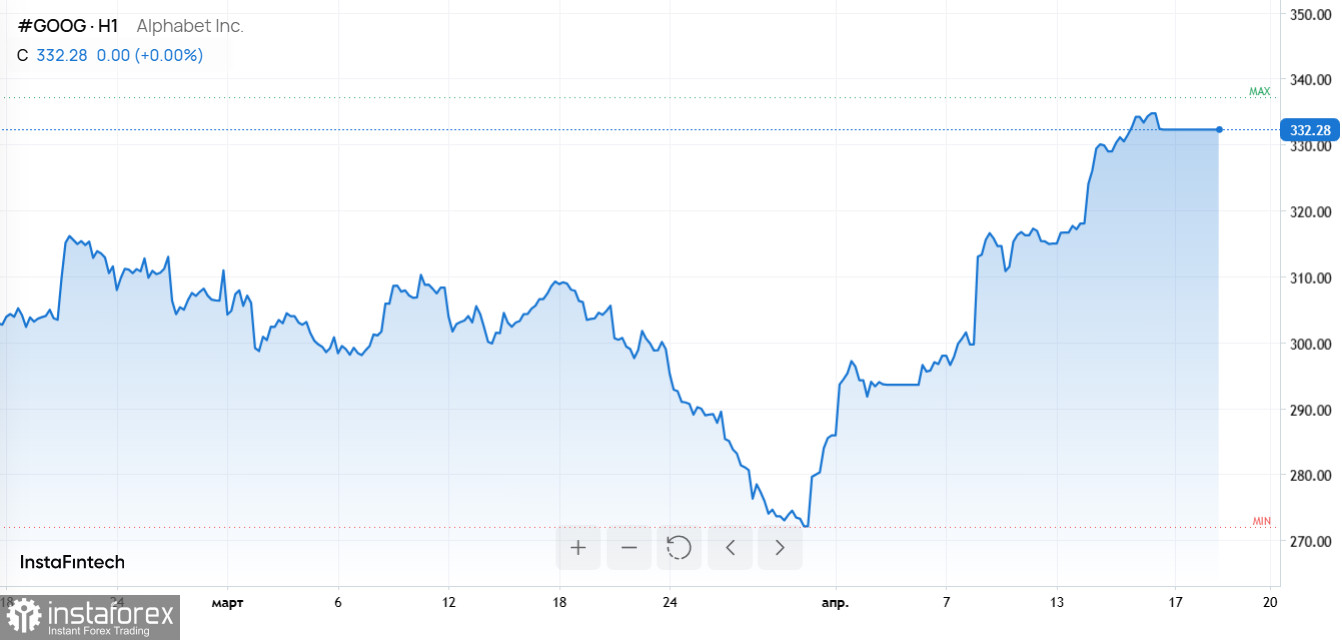
The next day, a Los Angeles jury found Meta and Google liable in a high-profile case over social?media addiction, awarding $6 million in compensatory and punitive damages to a 20?year?old plaintiff who claims she became addicted to Instagram and YouTube as a child. Jurors found platform design flaws and failures to warn users about algorithmic addictiveness; roughly 70% of the damages were apportioned to Meta.
The case is part of a wider wave of similar suits — about 2,000 related claims are pending in California courts.
Key takeaways
Both verdicts accelerate a trend toward tougher accountability for tech companies over the harms of their products, especially mechanisms that foster addiction. For markets, this raises legal and regulatory uncertainty around major platforms and may spur further regulatory initiatives in the US and Europe. Traders can watch price reactions to legal news and reassess risk forecasts, litigation costs and potential product changes.
If you trade on news flow, note that the instruments discussed in the article are available on InstaForex. Open an InstaForex trading account and install the mobile app for greater convenience.


