


















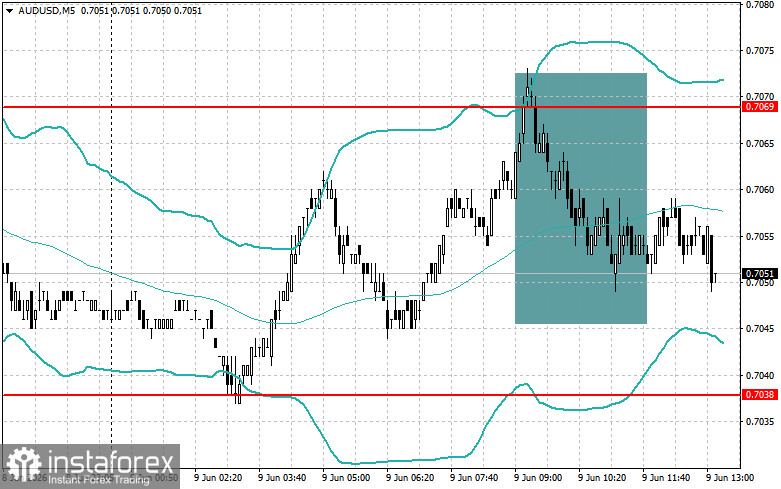
Today, only the Australian dollar performed well under the Mean Reversion strategy. I did not take any trades based on the Momentum strategy.
Trump's statements that the conflict in the Middle East may soon come to an end, along with a sharp increase in demand for risk assets, continue to weigh on the U.S. dollar. Strong German industrial production data allowed euro buyers to return to active trading. Traders who had previously been concerned about an escalation of tensions in the Middle East and a slowdown in global growth now see reasons for a more optimistic outlook. However, despite these positive signals, caution remains warranted. Uncertainty surrounding the political situation in the Middle East and the U.S. inflation data scheduled for tomorrow could quickly change market sentiment.
During the second half of the day, attention will be focused on the U.S. NFIB Small Business Optimism Index, the trade balance report, and existing home sales data. While these indicators do not play a decisive role in shaping short-term forecasts for the U.S. economy, they may still influence trader sentiment.
The NFIB Small Business Optimism Index is one of the leading indicators reflecting business activity and confidence among small-business owners. An improvement in this indicator generally signals a willingness among companies to invest, expand payrolls, and increase spending, which is supportive of the U.S. dollar.
The trade balance, in turn, provides insight into the relationship between a country's exports and imports. A trade deficit, where imports exceed exports, may put pressure on the national currency.
Finally, existing home sales serve as an important gauge of the housing sector and the real estate market as a whole. They also indirectly reflect consumer confidence and mortgage affordability. Strong sales figures—although unlikely given the current high mortgage rates—could also support the dollar.
If the data comes in strong, I will rely on the Momentum strategy. If the market shows little reaction to the releases, I will continue using the Mean Reversion strategy.
Momentum Strategy (Breakout Trading) for the Second Half of the Day
EUR/USD
- A breakout above 1.1575 may lead to a rise toward 1.1600 and 1.1625;
- A breakout below 1.1555 may lead to a decline toward 1.1530 and 1.1505;
GBP/USD
- A breakout above 1.3405 may lead to a rise toward 1.3441 and 1.3478;
- A breakout below 1.3380 may lead to a decline toward 1.3360 and 1.3340;
USD/JPY
- A breakout above 160.24 may lead to a rise toward 160.43 and 160.67;
- A breakout below 160.02 may trigger a decline toward 159.83 and 159.60;
Mean Reversion Strategy for the Second Half of the Day
EUR/USD
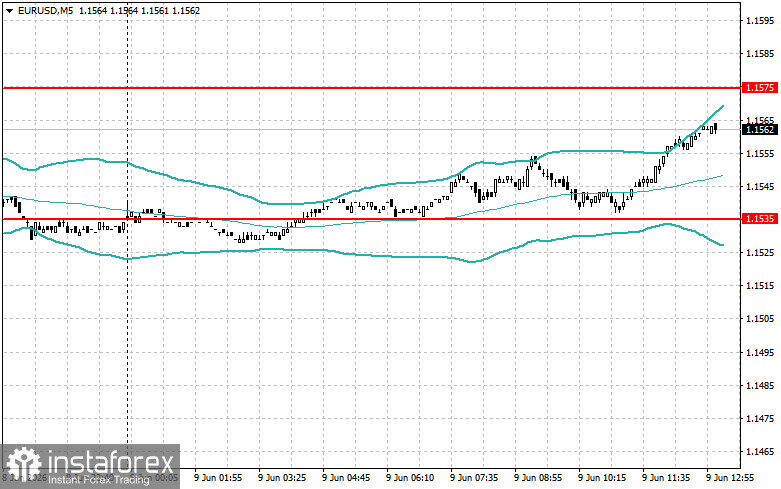
- I will look for short positions after a false breakout above 1.1575 followed by a return below this level;
- I will look for long positions after a false breakout below 1.1535 followed by a return above this level;
GBP/USD
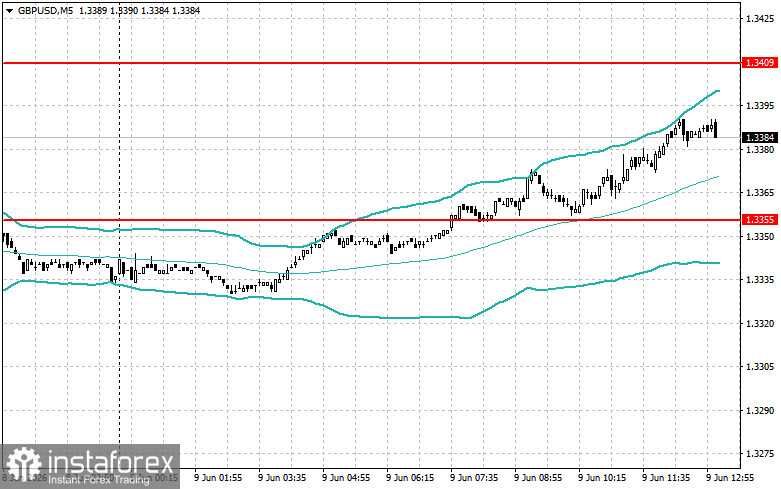
- I will look for short positions after a false breakout above 1.3410 followed by a return below this level;
- I will look for long positions after a false breakout below 1.3355 followed by a return above this level;
AUD/USD
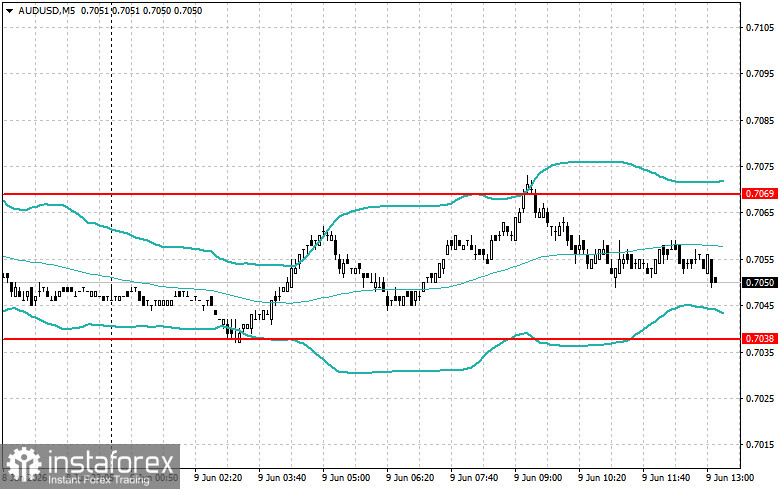
- I will look for short positions after a false breakout above 0.7069 followed by a return below this level;
- I will look for long positions after a false breakout below 0.7038 followed by a return above this level;
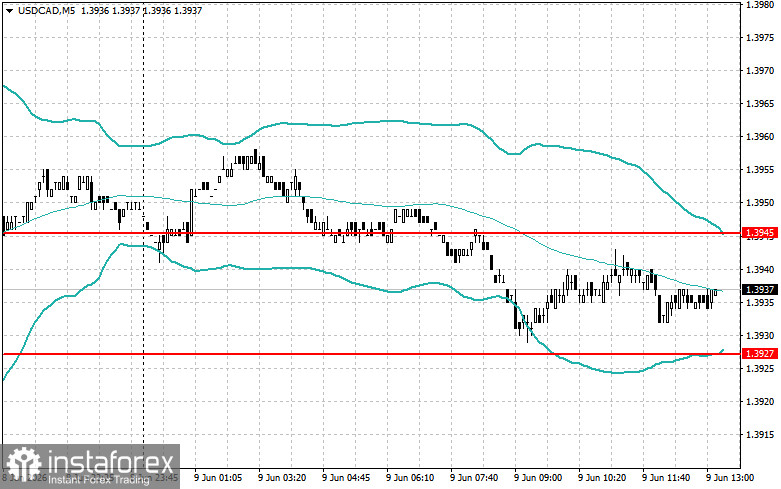
USD/CAD
- I will look for short positions after a false breakout above 1.3945 followed by a return below this level;
- I will look for long positions after a false breakout below 1.3927 followed by a return above this level.


