On Wednesday, the euro is depreciated against the British pound: eurozone inflation data came in below expectations, reducing the likelihood of a new interest rate hike by the European Central Bank this year.
At the time of writing, the EUR/GBP pair had fallen below the round level of 0.8600, marking the lowest point since July 2025.
Traders are closely watching the speeches of ECB President Christine Lagarde and Bank of England Governor Andrew Bailey at the ECB forum in Sintra.
According to Eurostat, the preliminary Harmonized Index of Consumer Prices (HICP) rose by 2.8% year-on-year in June, slowing from 3.2% in May and falling below the expected 3.0%. On a monthly basis, the HICP decreased by 0.1% after a 0.1% increase in the previous month.
The core HICP (excluding volatile categories such as food and energy) slowed to 2.4% year-on-year in June, down from 2.6% in May. On a monthly basis, core inflation increased by 0.2%, demonstrating a slowdown compared to the previous increase of 0.3%.
Given signs of slowing inflation and the return of oil prices to pre-conflict levels between the U.S. and Iran, traders are increasingly questioning the need for a new ECB interest rate hike this year.
Nevertheless, ECB officials continue to express concerns regarding inflation. ECB Governing Council member Joachim Nagel noted that "all options remain open for July and September," warning that inflation "remains high this year" and "could exceed the target even in 2027." Meanwhile, ECB Governing Council member Martin Kocher stated that "the threat of inflation has decreased, but it is not fully eliminated," adding that the next monetary policy decision will involve "either a hike or maintaining rates at the current level."
As for the UK, traders are closely monitoring the political situation following Prime Minister Keir Starmer's resignation last month, assessing whether leading contender Andy Burnham will adhere to budget discipline if appointed.
Additionally, market participants are monitoring the Bank of England's policy prospects: on Tuesday, Governor Andrew Bailey said UK inflation could still rise to 3.2% this year. Bailey added that "financial conditions have tightened, giving the BoE time to assess the need for a rate hike."
From a technical perspective, the pair has dropped below the round level of 0.8600, trading beneath important moving averages. Oscillators are negative and far from the oversold zone, confirming the bears' advantage and strength in the market. The path of least resistance is downward.
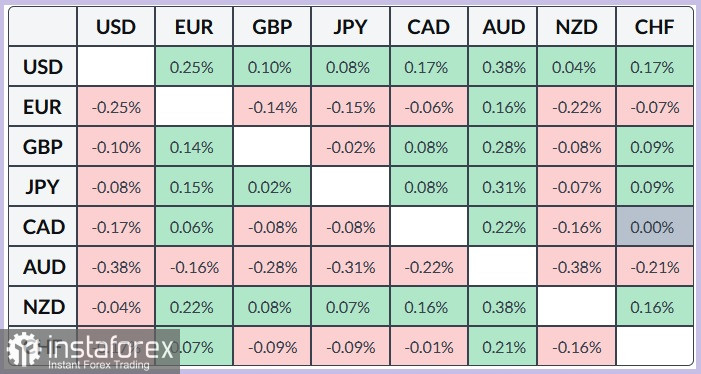
The table below shows the percentage change of the euro against major currencies for Wednesday. The largest gain in the euro was recorded against the Australian dollar.