


















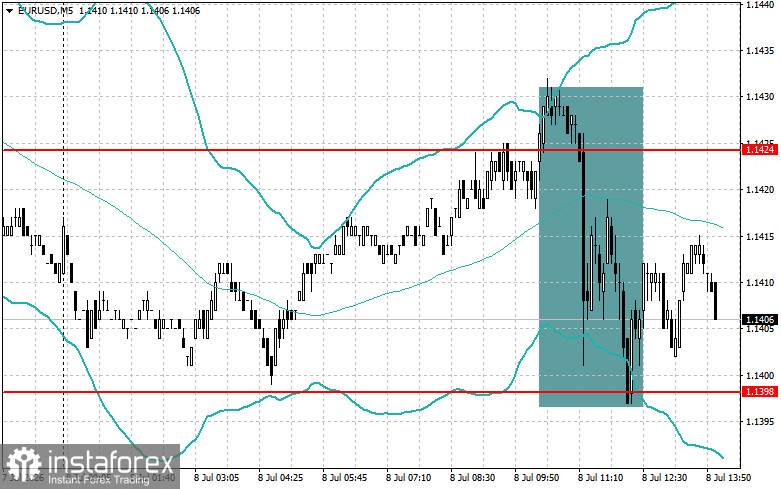
Risk-sensitive assets briefly came under pressure against the U.S. dollar following hawkish remarks by Donald Trump regarding Iran. The U.S. president stated that the ceasefire with Tehran had effectively collapsed and was no longer in force. He also dismissed further negotiations with Iran as pointless, accompanying his comments with harsh criticism of the Iranian leadership. This rhetoric has undermined hopes for de-escalation and brought concerns about the Middle East conflict back into focus. During periods of heightened geopolitical tension, capital typically flows into the U.S. dollar as a safe-haven asset.
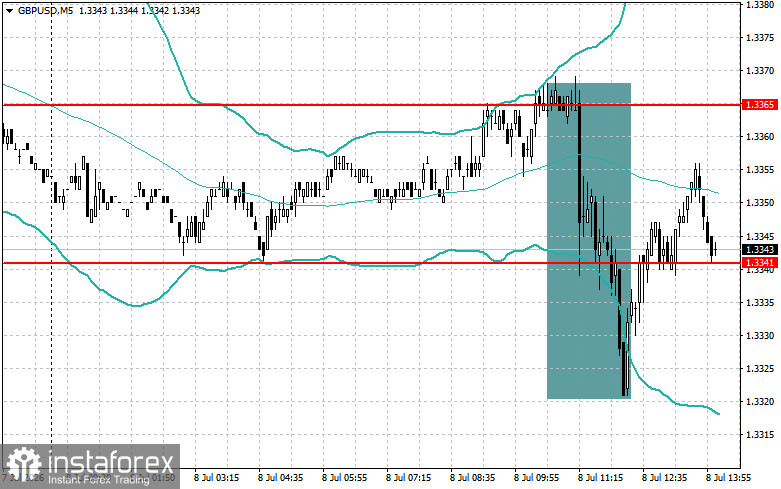
In the second half of the day, the market will focus on a batch of U.S. economic data, with the release of the minutes from the Federal Reserve's June meeting being the key event of the session. The Wholesale Inventories report will be released first, reflecting changes in wholesalers' stock levels and providing an indirect indication of future demand and business activity. It will be followed by Consumer Credit data, which shows the extent to which U.S. consumers are increasing their borrowing. Both indicators are considered secondary, so market attention will primarily shift to the publication of the FOMC meeting minutes.
It is worth recalling that at its June meeting—the first chaired by Kevin Warsh—the Federal Reserve left the benchmark interest rate unchanged at 3.50%–3.
75% for the fourth consecutive meeting. However, the updated projections were notably more hawkish, with some committee members indicating that a rate hike before the end of the year remains possible. For this reason, traders will examine the meeting minutes closely, looking for arguments both in favor of and against further monetary policy tightening. The outcome is uncertain for the euro, as a hawkish tone could strengthen the U.S. dollar again and weigh on EUR/USD, while a more dovish message would support the single currency. The British pound will also be sensitive to the tone of the minutes, and confirmation of the Fed's hawkish stance would add further pressure on GBP/USD.
If the U.S. data comes in stronger than expected, I will rely on the Momentum strategy. If the market shows little or no reaction to the releases, I will continue using the Mean Reversion strategy.
Momentum Strategy (Breakout Trading) for the U.S. Session
EUR/USD
- A break above 1.1420 could drive the euro toward 1.1456 and 1.1486.
- A break below 1.1395 could push the euro down toward 1.1365 and 1.1328.
GBP/USD
- A break above 1.3360 could lift the pound toward 1.3398 and 1.3432.
- A break below 1.3323 could send the pound lower toward 1.3298 and 1.3267.
USD/JPY
- A break above 162.64 could lift the U.S. dollar toward 162.92 and 163.18.
- A break below 162.34 could trigger a decline in the U.S. dollar toward 162.08 and 161.83.
Mean Reversion Strategy (Fade the Move) for the U.S. Session
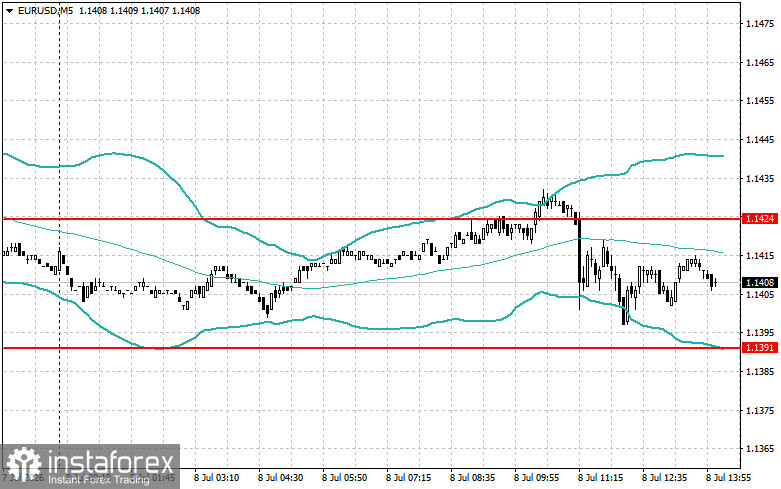
EUR/USD
- I will look for short positions after a false breakout above 1.1424 followed by a return below this level.
- I will look for long positions after a false breakout below 1.1391 followed by a return above this level.
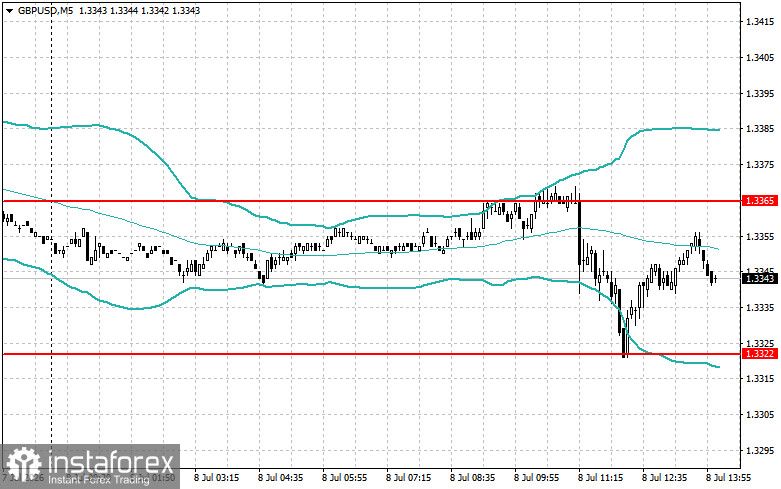
GBP/USD
- I will look for short positions after a false breakout above 1.3365 followed by a return below this level.
- I will look for long positions after a false breakout below 1.3322 followed by a return above this level.
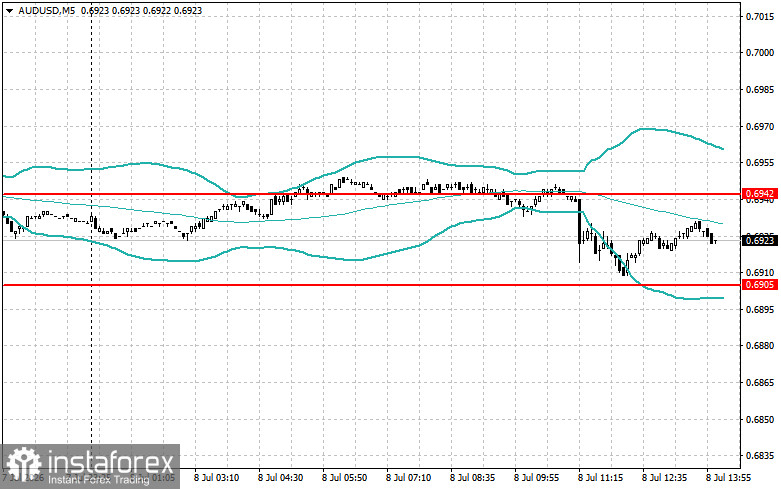
AUD/USD
- I will look for short positions after a false breakout above 0.6942 followed by a return below this level.
- I will look for long positions after a false breakout below 0.6905 followed by a return above this level.
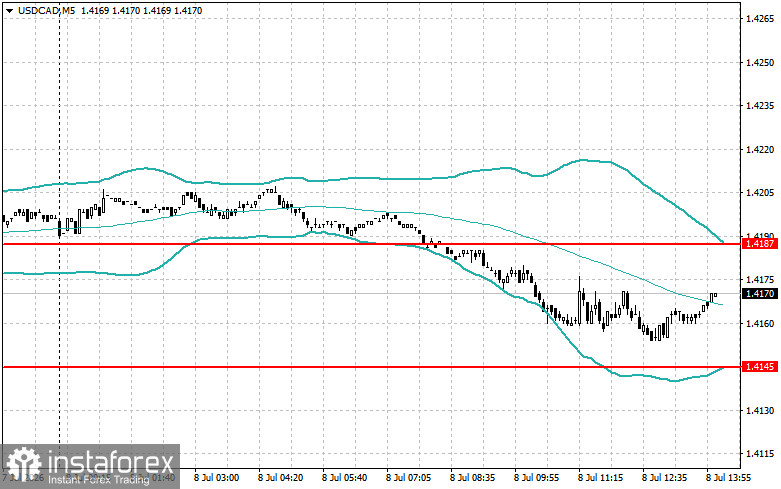
USD/CAD
- I will look for short positions after a false breakout above 1.4187 followed by a return below this level.
- I will look for long positions after a false breakout below 1.4145 followed by a return above this level.


