



















On Wednesday, GBP/USD halted its four-day decline. However, spot prices remain below the 1.3400 psychological level, suggesting that it is still too early to confirm that the recent correction from the more than two-month high has come to an end.
The U.S. dollar paused after a four-day rally that lifted it to a one-week high, as expectations grew that renewed U.S.-Iran diplomatic efforts could help ease energy prices and reduce the need for a more hawkish stance from the Federal Reserve.
This development is providing support for GBP/USD. Nevertheless, geopolitical risks remain elevated as tensions between the United States and Iran continue.
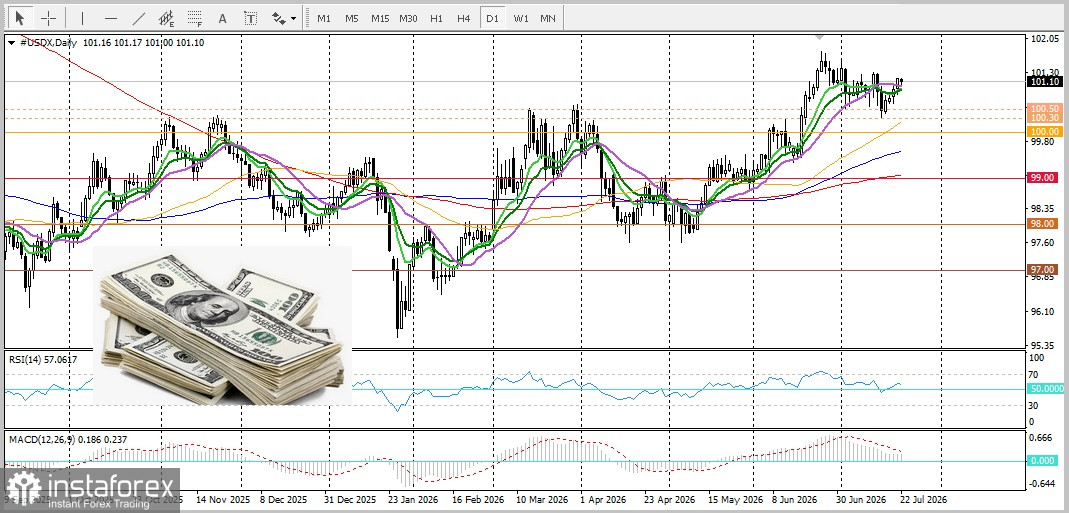
At the same time, market participants continue to price in the possibility of at least one additional Federal Reserve rate hike, amid growing concerns that higher energy prices could fuel inflation.
Following the closure of the Strait of Hormuz, the Iran-backed Houthi movement imposed a maritime blockade on Saudi Arabia, driving oil prices to new monthly highs and reinforcing inflation expectations.
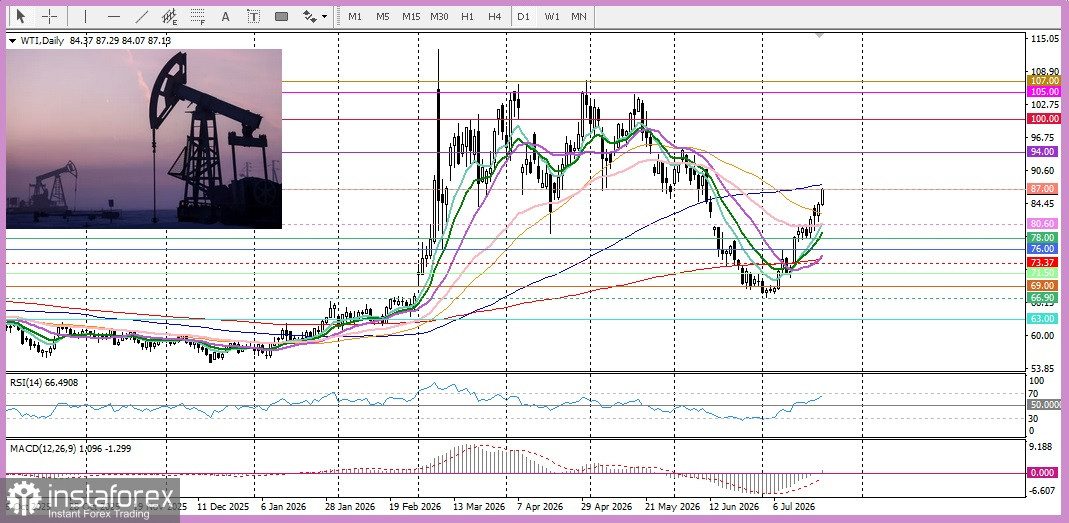
Traders also remain cautious about aggressively buying the British pound as they await further guidance on the Bank of England's near-term monetary policy. This continues to limit GBP/USD's upside potential, while investors closely monitor the fiscal agenda of the UK's new Prime Minister, Andy Burnham, paying particular attention to the sensitivity of the UK government bond market, where Burnham has indicated he may use greater "flexibility" within the country's fiscal rules.
Strategists at Rabobank note that the primary source of market concern remains the uncertainty surrounding Prime Minister Burnham's fiscal strategy. As they point out, "It remains unclear how Burnham intends to finance his policy agenda," while investors await the government's ten-year fiscal plan, which is expected to be presented later this year. Rabobank also highlights that Burnham has already suggested applying greater "flexibility" within the fiscal framework, a stance that is likely to keep investors focused on UK fiscal policy.
In this context, Rabobank also emphasizes the structural vulnerabilities of the UK economy. "The UK has a low savings rate and large current account deficits," the bank notes, warning that these factors could make the UK government bond market particularly vulnerable to negative news. Although the UK's debt-to-GDP ratio is not the highest among developed economies, Rabobank argues that its sovereign debt market may be one of the most sensitive to any deterioration in confidence regarding the government's fiscal strategy.
From a technical perspective, GBP/USD continues to trade below the 200-day Simple Moving Average (SMA), which currently coincides with the 1.3400 psychological level. A sustained break above this resistance would strengthen the bullish outlook and open the way toward the 1.3500 psychological level, with intermediate resistance at 1.3480.
If the pair fails to regain the 20-day SMA, prices could decline toward 1.3340, followed by the 1.3300 psychological level.
Technical oscillators remain mixed, indicating that the pair has yet to establish a clear directional bias.


