


















From threats to deal: Tehran presents Washington with Middle East peace plan

Against a backdrop of harsh threats from US President Donald Trump and retaliatory warnings from Iranian military officials about "crushing strikes," Tehran unexpectedly presented Washington with a concrete peace plan. Through intermediaries, Iran transmitted de-escalation terms: a 60-day truce in the Middle East, reopening of the Strait of Hormuz, and a halt to strikes on neighboring countries. In exchange, Iran is asking for the removal of the US blockade on Iranian ports and a timetable for direct talks. The diplomatic move prompted Trump to call recent contacts "productive," despite continuing military tensions.
The US president clearly has an interest in a swift settlement: there is little time before the US midterm elections in November 2026, and a successful deal would be a powerful political asset. The White House plans to organize direct Oman talks between Iran and Gulf states before the end of September. The apparent contradiction between frightening military rhetoric and active diplomatic outreach suggests that both sides are prepared to take cautious steps toward resolving the protracted crisis. Follow the link for more details.
US roller coaster: why energy rises while broader market falls

The US equity market is displaying sharp divergence: energy stocks are rallying on higher commodity prices, while tech and broad indices trade lower together. The main trigger for the sell-off was alarming signs of a strong economy. Positive business activity data erased hopes for Fed easing and rekindled fears of further rate hikes. That pushed the 10-year Treasury yield sharply higher to multi-year highs, exerting heavy pressure on equities.
Against this backdrop, the dollar continues to strengthen as markets price in further monetary tightening, even as inflation shows small signs of cooling. With the US economy proving resilient, external shocks move to the fore. Geopolitical tensions in the Middle East and the course of diplomatic talks with Iran remain the primary sources of uncertainty that will dictate the trajectory of global markets. Follow the link for more details.
Battle for 160: intervention risk vs. Fed hawks
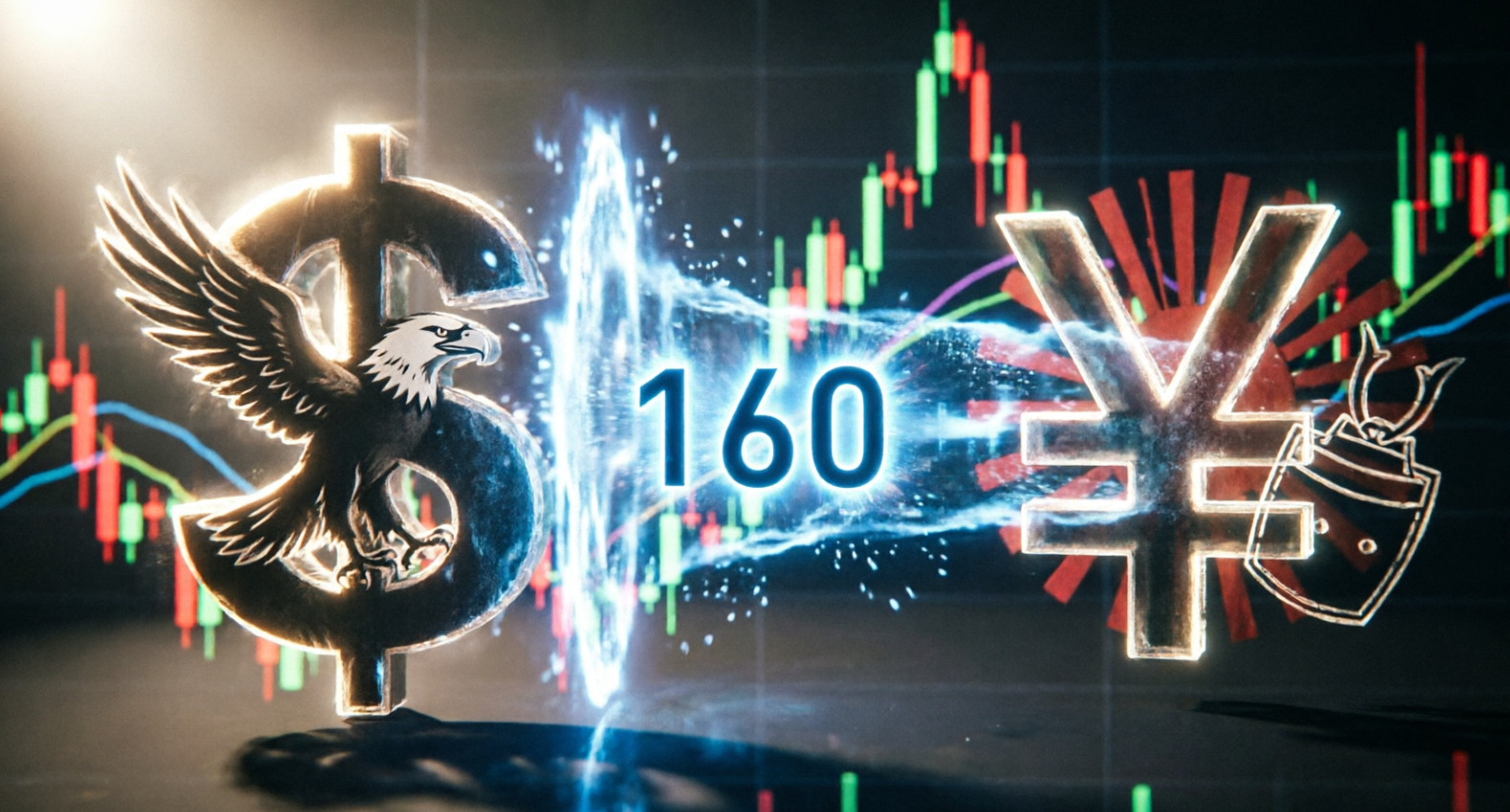
The yen is rapidly approaching the critical 160-per-dollar level, stoking renewed concern about a possible currency intervention. Breaching that psychological barrier would sharply raise the odds of Japanese authorities stepping in. However, a sustained reversal in the pair will likely require Tokyo to move beyond verbal warnings to firmer policy tightening — and for Washington to signal support for those steps.
Meanwhile, secondary US data takes a back seat. Fed speakers, especially John Williams, will be the main drivers of dollar moves today. Williams has previously taken a cautious tone, but if he endorses a tougher stance in line with his hawkish colleagues, the market will receive a powerful signal. Such hawkish sentiment could easily outweigh intervention risks and propel the dollar to fresh gains. Follow the link for more details.
CFTC takes crypto markets under its wing

CFTC Chairman Rostin Behnam announced the regulator will no longer wait for the stalled CLARITY Act to pass in Congress. Instead of relying on lengthy legislative debate, the agency will begin setting rules for the crypto market now under its existing authority. This move was carefully prepared: before the vote faltered, the CFTC had ordered two key rule packages on crypto transactions and digital assets to be drafted and sent to the White House. The era of strict regulation is arriving without Congress's blessing.
The CFTC's ambitions go beyond short-term fixes. Behnam is preparing the industry for a future in which traditional finance moves on-chain, trading runs 24/7, and AI agents play an active role. Stablecoins and tokenization will be the foundation of this ecosystem, potentially revolutionizing asset classes. Large exchanges and platforms that can quickly adapt stand to be the first beneficiaries of round-the-clock trading and new standards. Follow the link for more details.
Fed holds line: AI and geopolitics keep inflation and dollar elevated

US Fed leadership signals there will be no surrender on inflation. New York Fed President John Williams and other key officials have jointly warned that further rate increases are needed after the recent move to a 3.75–4.00% policy range. The main drivers of persistent price pressure (3.4% inflation) are energy, the fallout from the Iran conflict, and an unprecedented boom in AI investment. Inflation has remained above the 2% target for five years, and markets have resigned themselves to another Fed tightening before year-end.
This remarkable consensus among US policymakers has become the primary fuel for the dollar's rally. As Wall Street voices align around a prolonged period of higher rates, investors have abandoned hopes of an imminent pause. What matters now is less the detail of any single speech than the fact of a coordinated hawkish consensus — a dynamic that automatically supports the US dollar, making it the primary beneficiary amid global economic turbulence. Follow the link for more details.


