On Thursday, GBP/USD is declining, moving away from levels above 1.3300 (the weekly high) recorded the previous day and approaching the round level of 1.3200. At present, spot prices are fluctuating slightly above 1.3200; however, the unstable fundamental backdrop calls for caution when taking aggressive trading positions on the pair's further movement.
The British pound continues to find support following the upward revision to the forecast for UK GDP growth in the second quarter, which is now estimated at 0.4%. This has strengthened expectations of a 25-basis-point Bank of England rate hike at the upcoming meeting on November 5.
On the other side of the pair, the US Personal Consumption Expenditures (PCE) data released on Wednesday slightly reduced the probability of a Federal Reserve rate hike in October. Although this factor is positive for GBP/USD, continued demand for the US dollar is limiting the pair's upward potential.
According to CME Group's FedWatch tool, traders estimate the probability of a Federal Reserve rate hike by the end of the year at approximately 87%. In addition, continued concerns about inflation related to rising oil prices are keeping US government bond yields near multi-year highs. This factor, combined with geopolitical uncertainty stemming from the conflict between the United States and Iran, is supporting the dollar as a safe-haven asset, which is also prompting caution among GBP/USD bulls.
To find better trading opportunities, it is worth waiting for the release of US economic data, including the traditional weekly initial jobless claims figures and the ISM Manufacturing PMI. In addition, comments from key FOMC members and developments related to the Middle East crisis could affect the dynamics of the US dollar. However, the main focus should be on the US Nonfarm Payrolls (NFP) report, which will be released on Friday and determine the further trend of the dollar, thereby providing significant momentum for GBP/USD.
From a technical perspective, GBP/USD retains a bearish bias after failing to break above the round level of 1.3300 the previous day. Moreover, as the pair is trading below important moving averages, this confirms selling pressure. To ease the downward pressure somewhat, GBP/USD needs to break above at least the 1.3335 level.
The 1.3200 round level serves as support. If this level fails to hold, the pair will accelerate its decline toward the annual low recorded in July. The oscillators are negative, confirming that the path of least resistance for GBP/USD is to the downside.
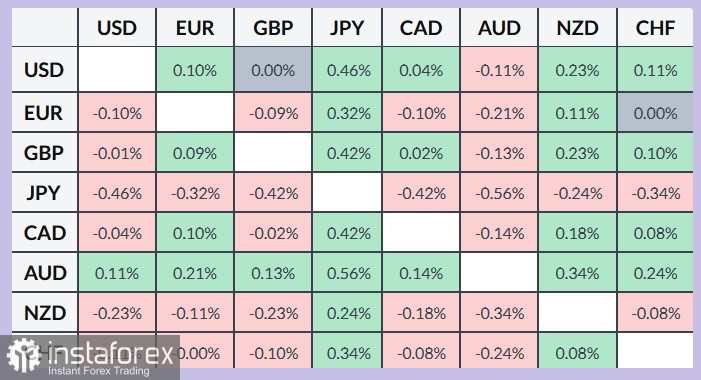
The table below shows the percentage change in the US dollar against the major currencies today. The dollar recorded its largest gain against the Japanese yen.