


















The USD/CHF pair consolidates around 0.8300. The US dollar pulled back from its October high but strengthened amid increased safe-haven demand following an escalation of geopolitical conflicts.
Volatility in international financial markets rose after reports from the Chinese agency Xinhua about coordinated missile strikes and drone attacks by the Houthis on military sites, oil facilities and major airports in Saudi Arabia. A Houthi representative, Yahya Saree, confirmed a hit on King Khalid International Airport in Riyadh, causing flight disruptions and prompting investors to move funds into traditional safe assets such as the US dollar.
Dollar strength was also supported by a sharp rise in US Treasury yields, which reached 24-year highs. That surge was driven by continued bond sell-offs in the global market amid rising budget deficits and persistent inflationary pressure. The latest ISM data confirmed growing inflation concerns, showing that costs in the US services sector are rising at the fastest pace in over four years.
Despite firm dollar positions and high yields, rate-cut expectations remain cautious. According to the CME FedWatch tool, market participants put the probability that the Federal Reserve will leave rates unchanged at the next meeting at roughly 78%. That view formed after a series of economic prints showing a cooling labor market.
Regarding the Swiss franc (CHF), it retains potential to attract capital as a safe-haven currency amid rising concerns about sovereign finances in Europe. Higher energy prices worsen worries about government spending and debt-servicing capacity among Switzerland's neighbors. Amid heightened instability and risk-off flows, the Swiss franc remains a preferred choice for global investors. Support for the franc has risen amid growing concerns about French sovereign debt, which outweighs any changes in Swiss National Bank policy.
DBS strategists note that "falling inflation and employment in the US coincide with growing concerns about France's sovereign debt," which increases demand for the Swiss franc as a defensive asset. They point out EUR/CHF "has fallen for a third consecutive week as the widening spread between French OATs and Bunds outweighed the Swiss National Bank's decision to resist the global tightening cycle, thereby softening the rhetoric on interventions in the franc." This underscores that political and financial risks in France dominate the franc's path despite SNB easing measures.
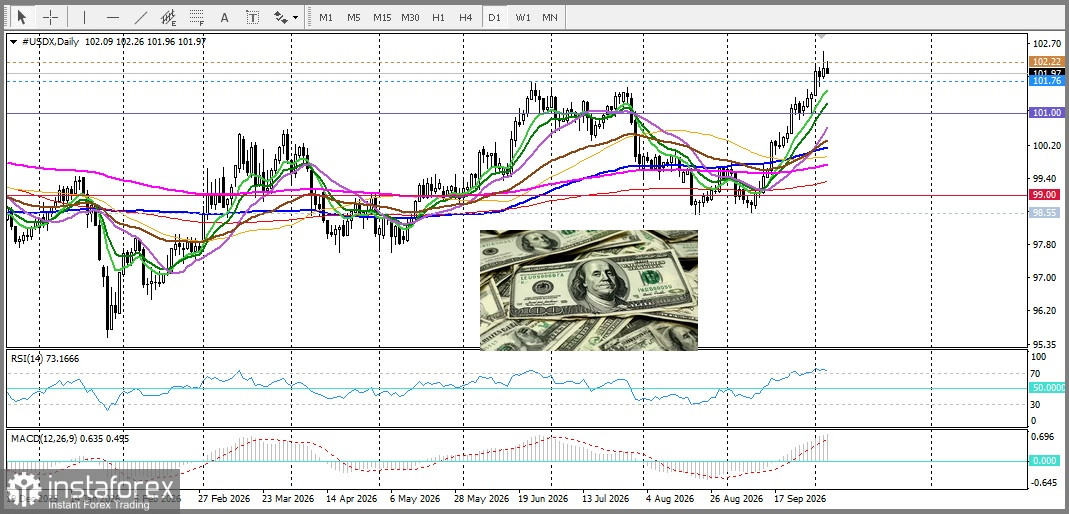
From a technical perspective, oscillators are positive, confirming the bulls' advantage. Support comes from the 9-day EMA and the round level at 0.8300. The nearest resistance is 0.8330.


