


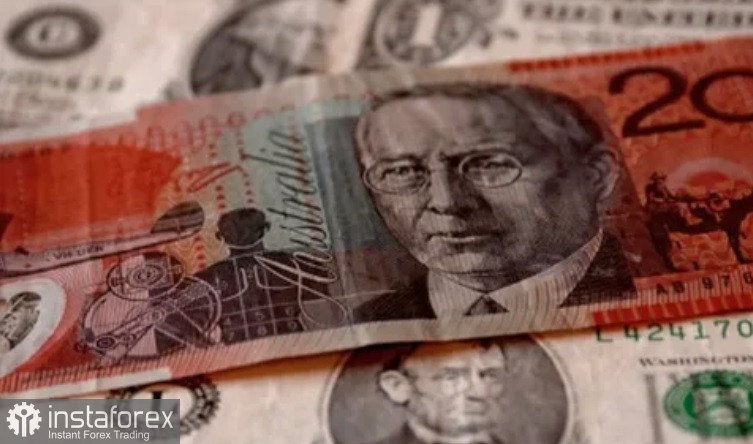
On Tuesday, AUD/USD reached a new monthly high. The Australian dollar is supported by renewed hopes of diplomatic progress between the US and Iran. Additional pressure on the US currency came from falling Treasury yields and growing worries about stretched valuations in AI-related stocks.
Israel's Channel 12 reported that Pakistan's military leadership presented a compromise plan to Iranian officials, which received preliminary backing from both Washington and Tehran. The plan aims to prevent further military escalation and to bring the parties back to the negotiating table. Those reports improved sentiment across global markets and supported risk-sensitive currencies such as the Aussie.
The US dollar remains under pressure after reaching multi-month highs last week. The US Dollar Index (DXY), which tracks the greenback against a basket of six major currencies, fell about 0.28% on Tuesday to roughly 101.70, after trading near 103 — the highest since April 2025 — a week earlier.
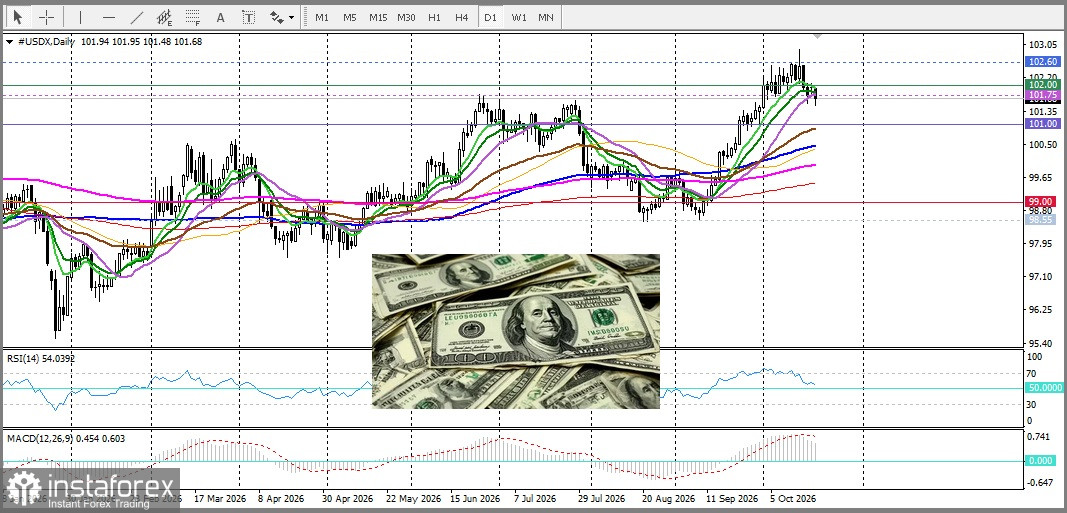
Recently, the dollar has become especially sensitive to shifts in tech sentiment. For months, large foreign capital inflows into US AI stocks supported demand for the USD. But the correction in the tech sector and a cooling of AI optimism have reduced the appeal of US assets and put further pressure on the dollar.
Lower US Treasury yields also limit support for the dollar. The 10-year yield has fallen to about 5.08% from 5.36% at the start of the month, reducing the yield advantage of dollar assets and creating a more favorable backdrop for AUD/USD.
That said, AUD's gains versus other major currencies remain constrained. One reason is the People's Bank of China's decision to keep key lending rates unchanged. On Tuesday, the one-year LPR stayed at 3.00% and the five-year at 3.50%, in line with market expectations.
The PBoC's decision reflects a cautious stance amid continued uncertainty about China's outlook. China matters for the Aussie because it is Australia's largest trading partner and the main buyer of its commodities.
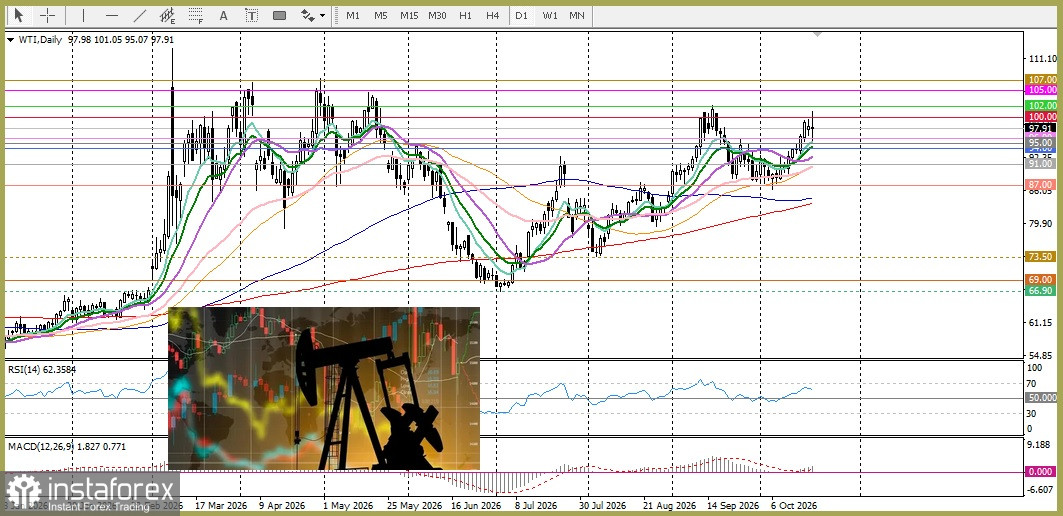
Another factor that can cap a weaker dollar is rising inflation risk from expensive oil. On Tuesday, WTI traded above $100/bl, a new monthly high. Houthi attacks on Saudi energy infrastructure and increasing incidents involving vessels in the Strait of Hormuz have heightened fears of supply disruptions. Higher energy costs could rekindle inflationary pressure in the US, prompting the Federal Reserve to keep policy tight longer or potentially hike again by year-end.
A Reuters poll published on Tuesday found 94 of 100 economists expect the Fed to hold rates at 3.75–4.00% on October 27–28 after the September 25-bp hike, and all respondents expect another hike in December.
That scenario would limit further dollar weakness and restrain AUD/USD upside. In the near term, the pair's direction will depend on developments in the Middle East, oil prices, US Treasury yields and market assessments of Fed policy.
Technically, although the pair traded above the round 0.700 level, it has not yet managed a sustained close above it. Daily-chart oscillators are negative, signaling a bears' edge. Support comes from the convergence of several moving averages, which provides a firm floor. Still, until the pair closes above 0.700 and clears the 200-day SMA, the bears are likely to remain in control.


