



Geopolitical conflicts, a rapid AI surge, and shifting consumer habits continue to shape the global market agenda.
Despite attacks in the Strait of Hormuz, Middle East oil exports have exceeded pre-conflict levels, while Iran has been effectively cut off from oil revenues.
In tech, Meta is preparing to report on multibillion-dollar AI investments as Netflix grapples with slowing growth and a large-scale business overhaul. Amazon, meanwhile, announced record investments in the German economy.
Below, we analyze four events that could move commodities, equities, indices, and currencies in the near term.
Hormuz paradox: Middle East oil flows rise despite Iranian attacks

The Middle East war should have been a nightmare for the global oil market. Iranian attacks on vessels in the Strait of Hormuz threatened to paralyze the world's most important energy artery. Reality has proven more inventive: exports of oil from the region have not only recovered but exceeded pre-conflict levels. How is this possible amid de facto naval hostilities?
Tracking firm Kpler, cited by The Wall Street Journal, reported that the region averaged more than 24 million barrels per day in shipments for the week ended October 18. By comparison, peaceful times saw roughly 23.3 million bpd. These figures include flows through Hormuz and alternative regional routes.
The secret of this resilience lies in an unprecedented logistics operation. About 13–14 million barrels still transit the Strait of Hormuz daily. They do so under escort: as US Secretary of State Marco Rubio has noted, US forces have effectively taken on a convoy role, shepherding commercial tankers through the danger zone.
Rubio said that on some days, they were seeing the same volumes as before the conflict and, while Iran was still firing on ships, they had managed to keep the flow going.
Relying solely on a military shield would be too risky, so Gulf monarchies have mobilized alternative routes. Overland corridors now carry a significant share of cargo. If, before the war, the overwhelming majority of oil transited Hormuz (with only about 17% moved via bypass routes), today, nearly 40% of shipments circumvent the strait. Saudi Arabia and the UAE are actively ramping up pipeline use.
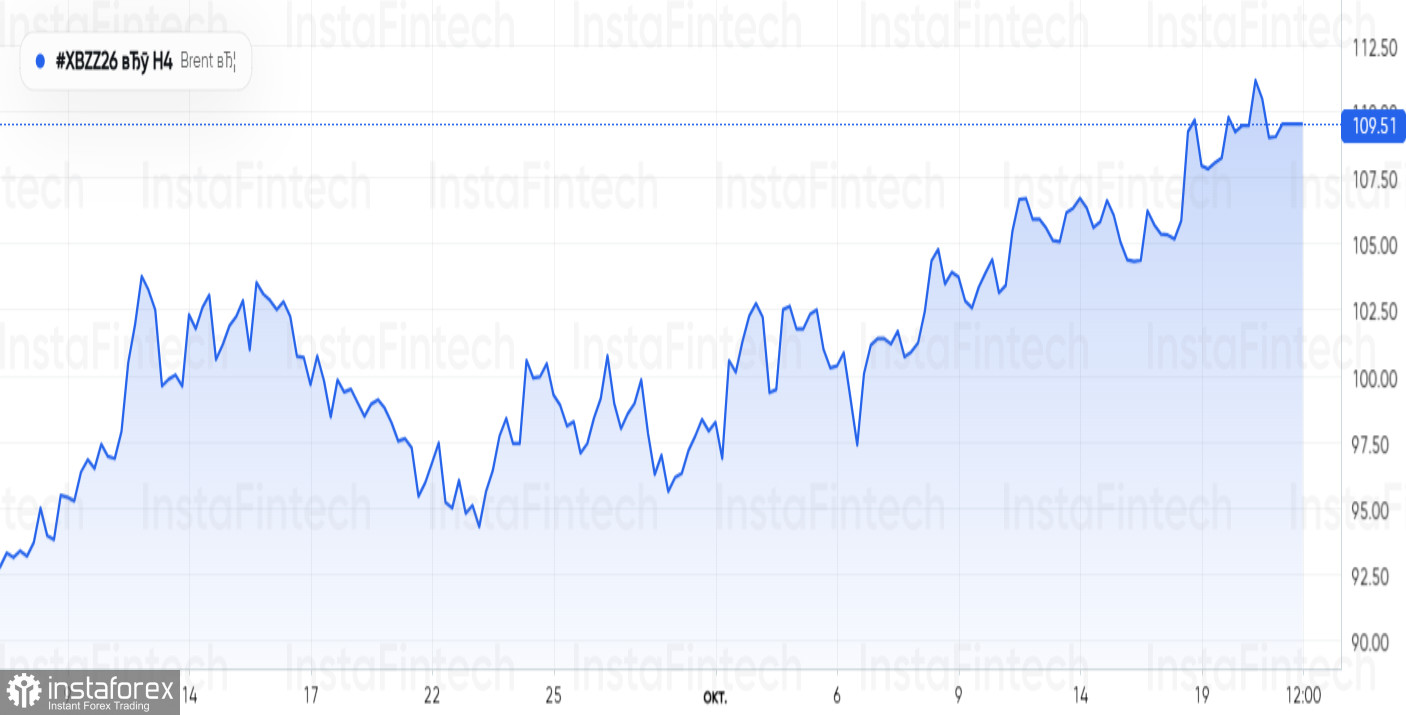
A telling episode: a drone strike in early September damaged a Saudi pipeline — a potential logistical disaster — but Riyadh quickly restored the line. JPMorgan noted in a September 29 research brief that Persian Gulf exports had recovered to about 98% of pre-conflict levels.
Meanwhile, Iran finds itself in stark economic isolation: its exports have been effectively shut off. According to CENTCOM commander Admiral Brad Cooper, the US maritime pressure has cost Iran at least $25 billion in lost revenues. Since the conflict began, the US Navy has helped escort over 1.3 billion barrels of third-party crude through the strait — and not a single Iranian tanker.
Kpler data also showed that Tehran shipped no crude in September, the first such month on record since Kpler began tracking in 2013.
Therefore, geopolitics remains the primary driver of commodity market volatility. Any news from the Strait of Hormuz, political statement, or export data can trigger sharp oil price moves and ripple across related assets.
To capture these opportunities and react quickly to global shifts, you need reliable tools and fast market access. The trading instruments discussed in this note are available on the InstaForex platform. Open an account and download the mobile app to trade at the center of commodity action and monetize market volatility.
Betting trillions on AI: Meta and its Muse to face Wall Street test

Today, on October 21, immediately after the US closing bell, Meta Platforms is set to report its Q3 results. The stakes go beyond one quarterly print — this report could shape the future of the entire AI industry. Investors are holding their breath: they need to know whether the massive AI investments are turning into real profits and whether the new personal AI assistant Muse can become a fresh growth engine.
As Reuters notes, this release will be a litmus test for the cloud and AI earnings season, especially now that initial market euphoria is giving way to skepticism and cracks are appearing in the once-unquestioned AI narrative.
Market sentiment is not upbeat. Meta shares have fallen for a fifth straight session, sliding by about 2% on Tuesday. According to Invezz and TradingView, the stock is more than 12% off last month's high.
Barron's highlights a sobering reality for shareholders: Meta is up only about 4.5% year-to-date, significantly lagging the broader market. The S&P 500 is +13%, and the Nasdaq Composite is +14%.
The main source of investor unease is Meta's enormous AI spending. Visible Alpha estimates that capex may have more than doubled last quarter to an astronomical $41.68 billion.
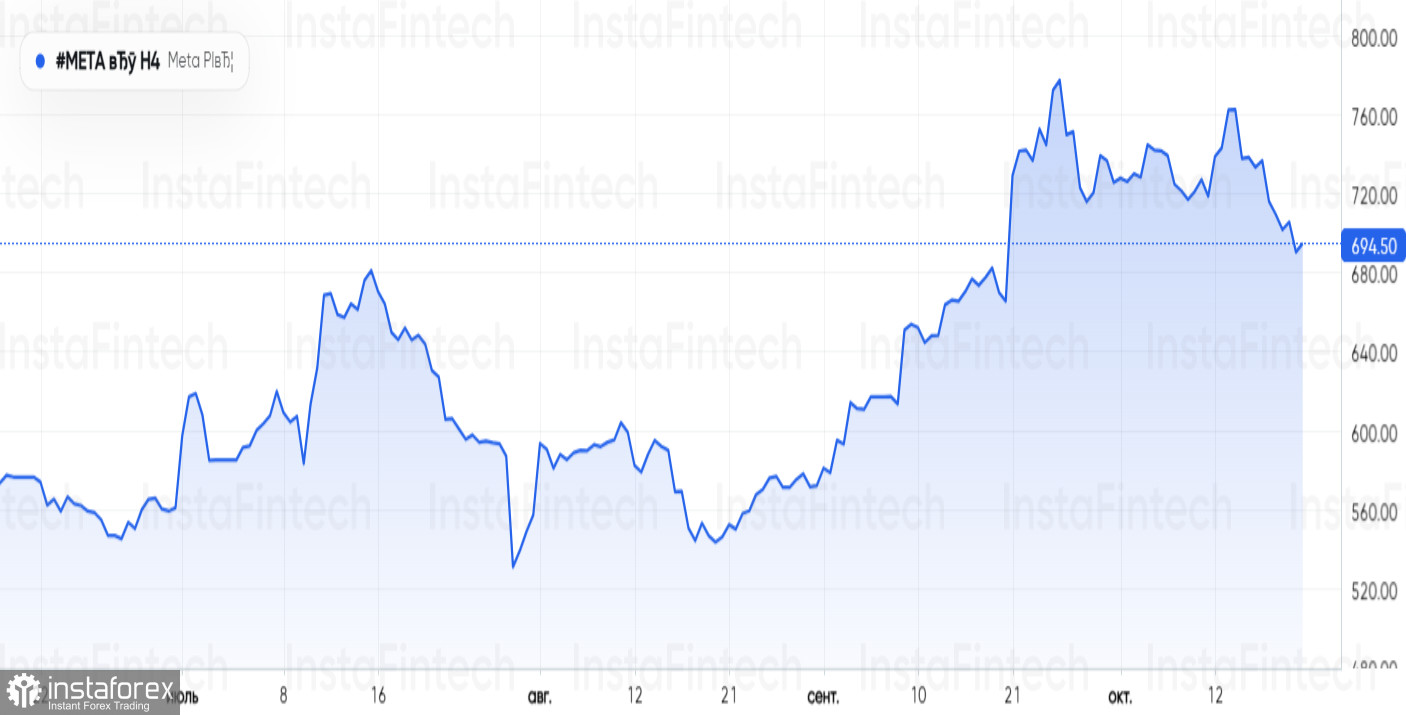
Analysts also expect free cash flow to have turned negative: roughly -$8.52 billion. The market still remembers the prior quarter when FCF plunged to -$784 million, and the stock collapsed by 8–9% on the report. And the spending outlook is still eye-watering: Meta's 2026 capex guidance ranges from $130 billion to $145 billion.
Will revenues justify these outlays? Wall Street expects revenue to rise about 23.8% year-over-year to $63.42 billion, a slowdown from roughly 28% growth in the prior quarter. Net income, per LSEG consensus, could fall by about 17% to roughly $15.44 billion. Adding to the concern, Gartner warns that a market cooldown could write off more than $4 trillion of AI-related assets.
But it's not all bleak: Meta's trump card is its personal assistant Muse. Sensor Tower data showed that Muse reached 10 million installs in the US just 40 days after launch — an impressive pace versus ChatGPT's 123 days and Claude's 673 days to hit the same mark.
Analysts see big potential in Muse. Deutsche Bank's Benjamin Black estimates the assistant could generate up to 8% of Meta's revenue by 2030. Investment bank views diverge, however: UBS raised its price target to $884, betting on product success, while Goldman Sachs cut its target to $762, warning of explosive operating cost growth as soon as 2027.
Netflix stumbles: staff cuts amid waning growth momentum
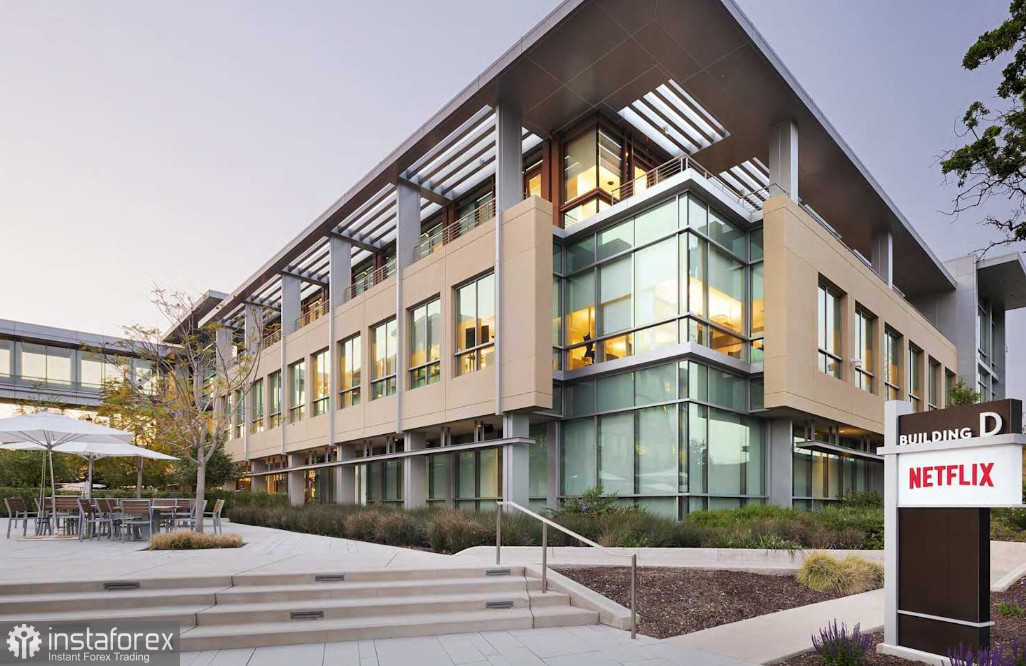
On paper, it looked flawless: the streaming giant reported record profits. But behind the facade of financial strength, a corporate drama is unfolding. Slowing growth, mass layoffs, senior departures, and Wall Street panic — welcome to the new Netflix.
On Tuesday, October 20, Netflix released its Q3 results. Revenue reached $12.87 billion, up 12% year-on-year from $11.51 billion. That sounds solid, but for Netflix, these are the slowest growth rates in three years.
Net income pleasantly surprised, jumping to $3.66 billion (EPS $0.87) versus 2.55 billion (0.59) a year earlier. Operating income increased by 37% to $4.58 billion. The company beat analyst EPS expectations (Wall Street had looked for $0.82), while revenue matched consensus.
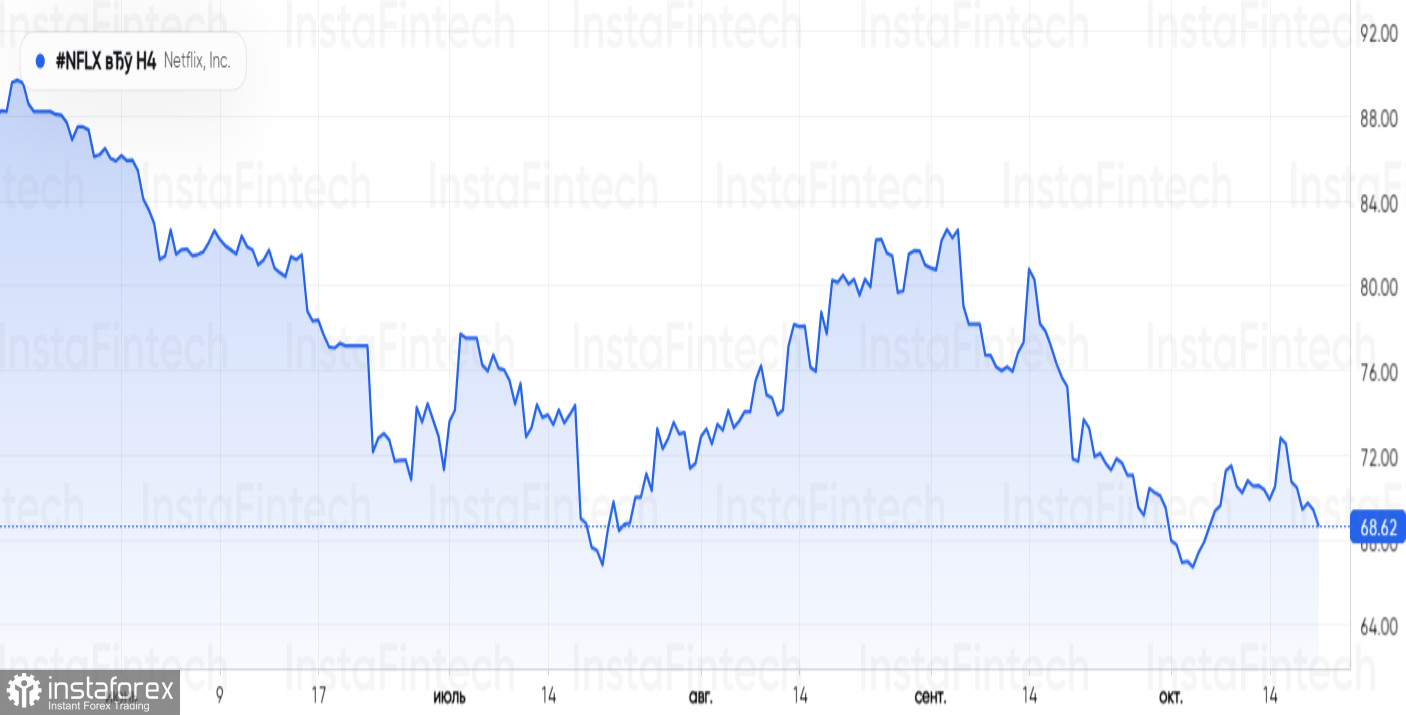
However, markets look forward, not backward. Investors were spooked by a cautious Q4 outlook: Netflix guided to $0.67 EPS versus the Street at $0.73. Full-year revenue guidance also came in slightly below consensus ($51.1 billion versus $51.2 billion). The reaction was immediate: in after-hours trading, the stock slid by roughly 6%.
The earnings release was only the final chord in what the company will call "a week of upheaval." Days before the report, Netflix carried out its largest workforce reduction since 2022 — around 1,000 employees, or roughly 6% of staff, were let go. Cuts hit product and engineering teams, as well as legal and HR.
Even more shocking were the changes at the top. Co-founder and co-chair Ted Sarandos announced that Chief Content Officer Bela Bajaria is leaving. Peter Rice, formerly of Disney and Fox, will take the role and oversee Netflix's massive $20 billion content budget. Rice also takes temporary stewardship of the film unit after Dan Lin's departure.
Why such radical moves? In a letter to shareholders, Netflix admitted the core problem: the service is losing viewer attention, especially in the US and Canada. Revenue in that key region grew only 11% versus 17% a year earlier.
According to The Wall Street Journal, Sarandos has privately complained for months that Americans are spending less time on the platform and that Netflix lacks new breakout hits. Analysts at Antenna even argued that net subscriber growth in the US this year was zero (a figure Netflix disputed).
Against that backdrop, total viewing time rose by only about 2% over the first half of the year. Over the past 12 months, the stock has fallen by more than 44%. Investors are increasingly worried about competition from YouTube and other free platforms that are capturing audience attention.
"Overall, we're not growing as fast as I want us to, and we're working on making that move faster," Sarandos publicly acknowledged last week.
As a lifeline, Netflix plans to drive more viewing through new series, films, live events, and increased licensing of third-party content. Whether that will restore the crown to the streaming king remains to be seen.
Tech deployment in Europe: Amazon to pump €16 billion into Germany's economy
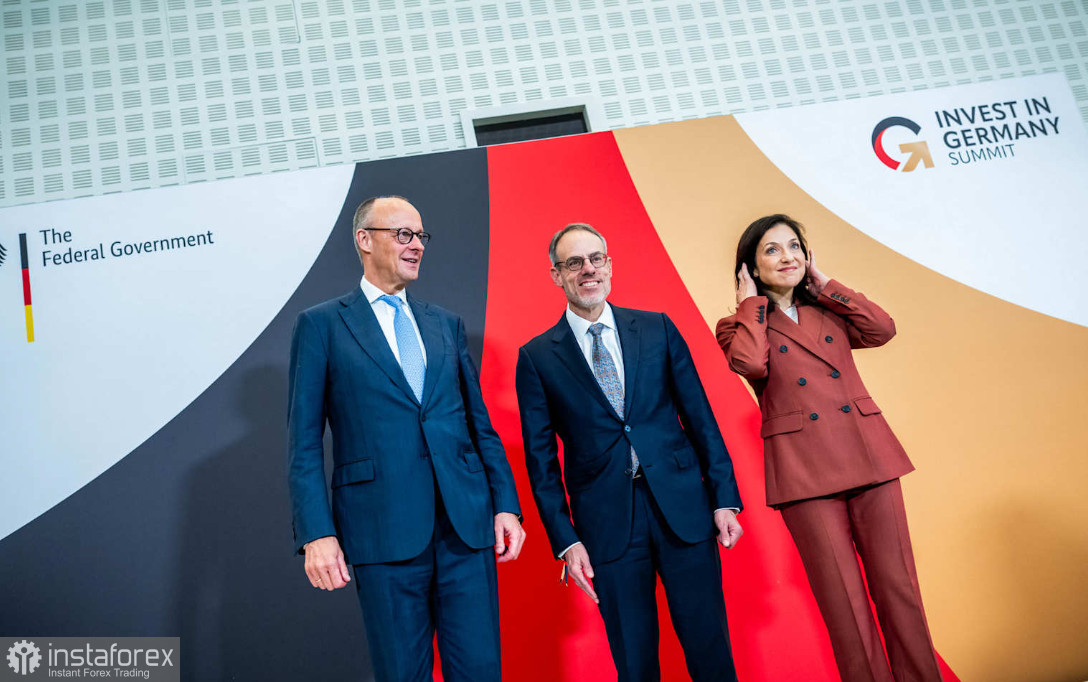
While global markets wobble, tech giants are making strategic long-term bets. On October 20, at the "Invest in Germany" summit in Berlin, Amazon unveiled an unprecedented plan to invest more than €16 billion (about $18 billion) in Germany through 2027. The announcement was a welcome shot in the arm for the European economy.
The cash infusion comes at a useful moment. Chancellor Friedrich Merz's government is actively seeking ways to revive a stagnating economy, and investment on the scale of Amazon's is the best signal that Berlin remains a magnet for global capital.
According to Reuters, the focus will be on advanced frontiers: cloud computing, artificial intelligence, satellite Internet, and media.
The single largest allocation is €4.8 billion dedicated to scaling AWS Europe (Frankfurt) to meet explosive demand for cloud services and AI. Hesse Premier Boris Rhein called the move a vote of confidence in the Rhine-Main region and noted that "all the big players want to come to Hesse."
Beyond servers, Amazon is pushing into space and robotics. The package includes the launch of Amazon's LEO satellite broadband project, expansion of Prime Video initiatives, and the opening of a second Berlin robotics and AI research lab — activities Amazon says are already underway.
Investments also mean jobs. Amazon pledges to create more than 3,000 new logistics positions. The geographic scope is broad: a new fulfillment center in Zweibrucken will take on first hires this year, a hub under construction in Kornern, and an extensive modernization of existing warehouses that will continue through 2028.
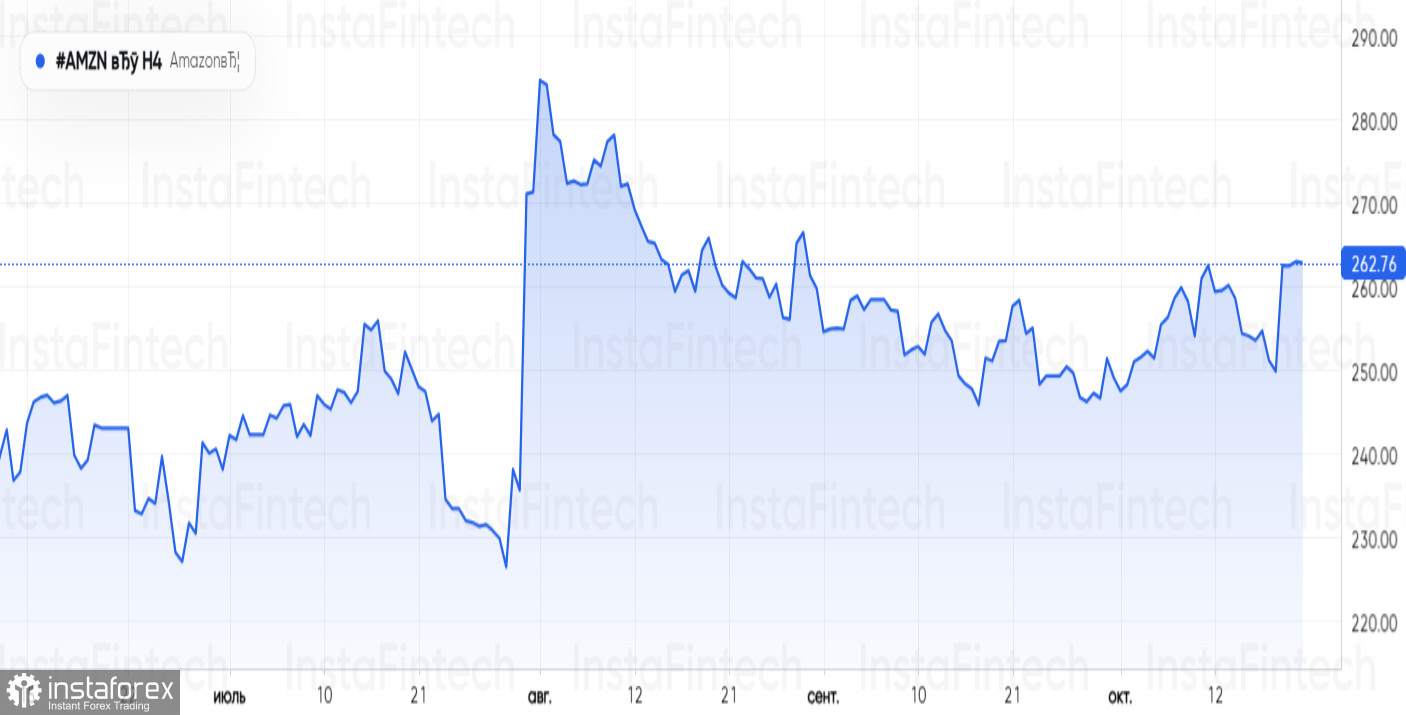
"Germany is a hub of innovation and one of the most attractive investment opportunities in Europe," David Zapolsky, Amazon's general counsel and senior vice president for global public policy, legal and corporate affairs, said. He noted that since 2010, the company has invested more than €100 billion in the German economy.
Economy Minister Katherina Reiche emphasized that the package will not only create jobs but also strengthen Germany's position in the global tech race.
Amazon's significant investments in AI, cloud services, and logistics are more than headlines — they are powerful fundamental drivers that will directly affect tech stocks, European equity indices, and currency pairs. Savvy investors are already adjusting portfolios to reflect these strategic shifts in the global economy.
To capture these opportunities and respond quickly to capital flows, traders need reliable tools and fast market access. The instruments discussed, including leading tech stocks, indices, and FX pairs, are available on the InstaForex platform.
Want to be at the center of financial events and monetize global trends? Open an InstaForex trading account today and download the mobile app to monitor markets and trade from your smartphone anywhere in the world.


