


Was NVIDIA's CEO truly indispensable for the entire AI industry? Judging by market reaction, the answer is no. The chip giant's share collapse failed to scare investors. The S&P 500 is rising for a third consecutive day, supported by positive corporate earnings and anticipation of the Anthropic IPO. The spy scandal involving Jensen Huang has impacted one issuer — and nothing more.
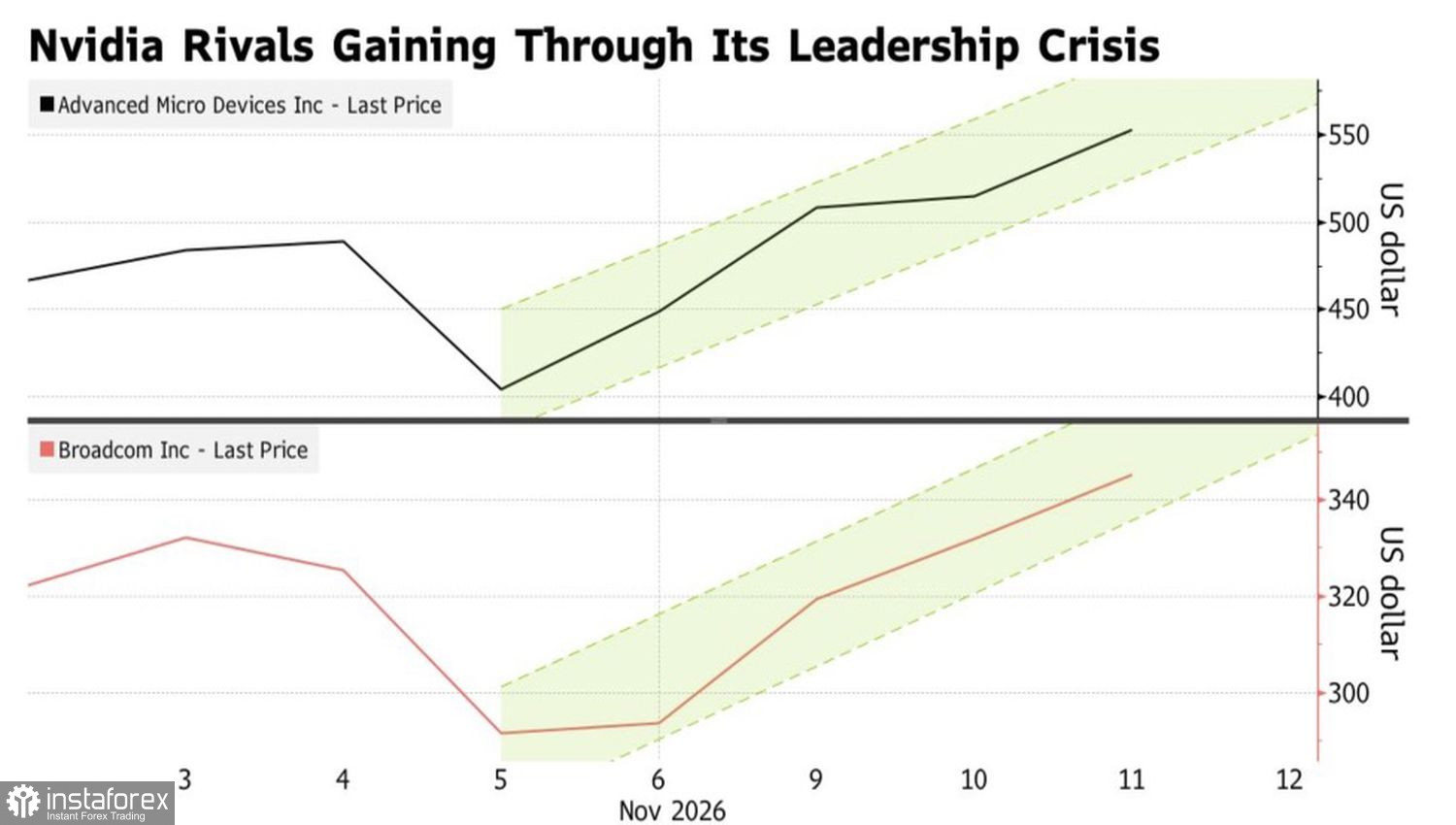
Vacant seats get filled. Rallies in shares of Advanced Micro Devices and Broadcom, NVIDIA's main competitors, show that investors believe no company is irreplaceable. Other chipmakers are ready to step in for one large producer, however dominant, and the AI industry will keep functioning.
NVIDIA peers' stock performance
Fears about the efficacy of new technologies are also easing. A Wall Street Journal scoop reports OpenAI's Q3 revenue reached $10 billion, marking a 50% increase quarter?on?quarter and nearly three times year?on?year.
CoreWeave's results impressed investors as well. The so?called "non?cloud" company that builds and leases data centers to Microsoft, OpenAI, and others saw its shares jump by 25%, the best one?day performance in over a year.
CoreWeave data?center footprint dynamics
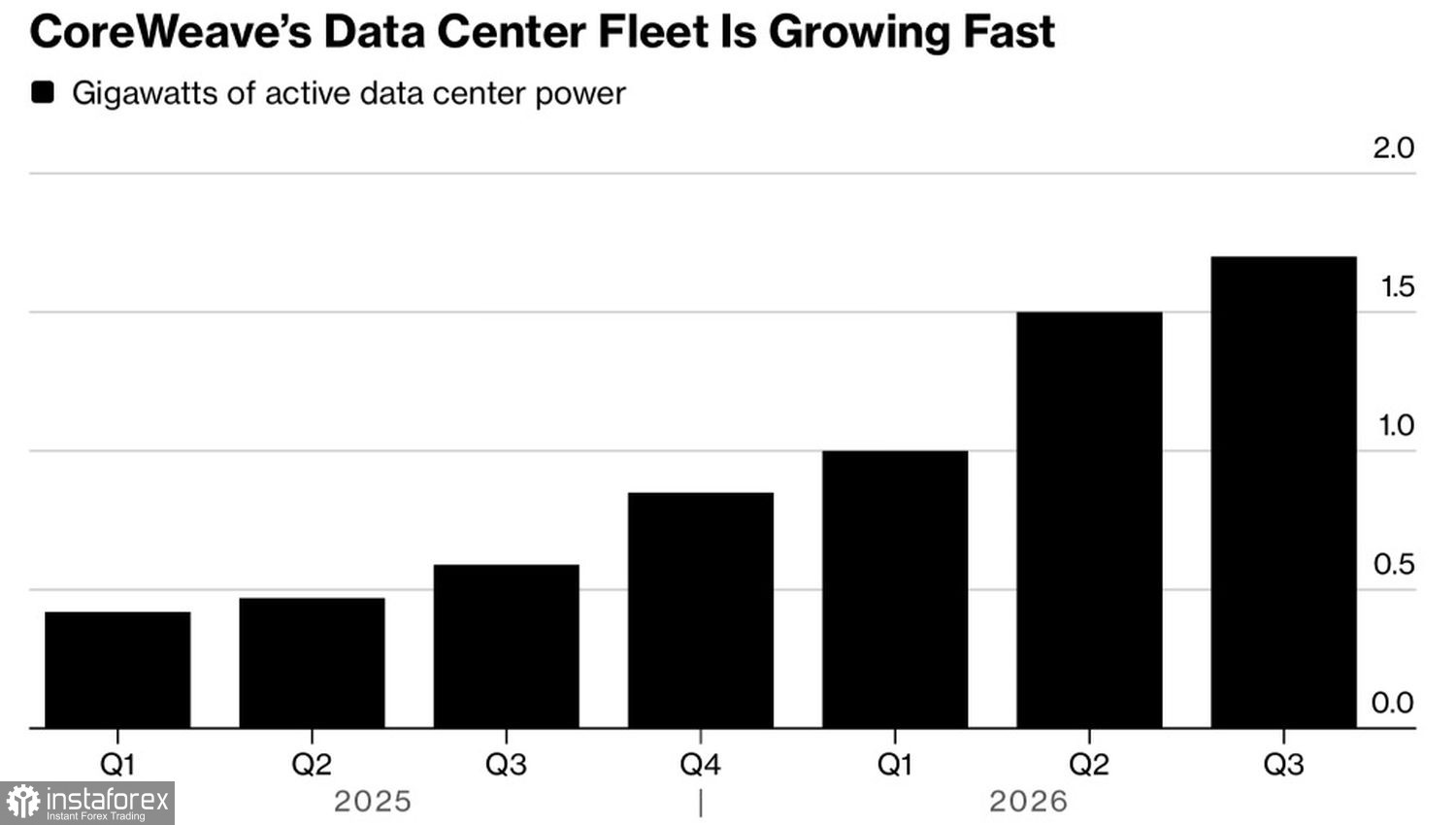
Positive results from CoreWeave ease many concerns around demand, pricing, and financing. The market concluded that investment growth in AI can slow without halting AI adoption.
Investors increasingly recognize that Democrats are unlikely to cripple new technologies — not least because doing so would cut the branch supporting the US economy. AI has helped the global economy adapt to tough conditions: growth persists despite massive US tariffs, an energy shock from the Middle East conflict, and broad monetary tightening by major central banks.
US investment in AI deserves the credit. Asian chip exports are accelerating, Australia and other countries are opening data centers, and Europe is supplying power and cooling infrastructure. A Congressional blow to AI would be catastrophic for the global economy — and it's hard to see Congress taking that step.
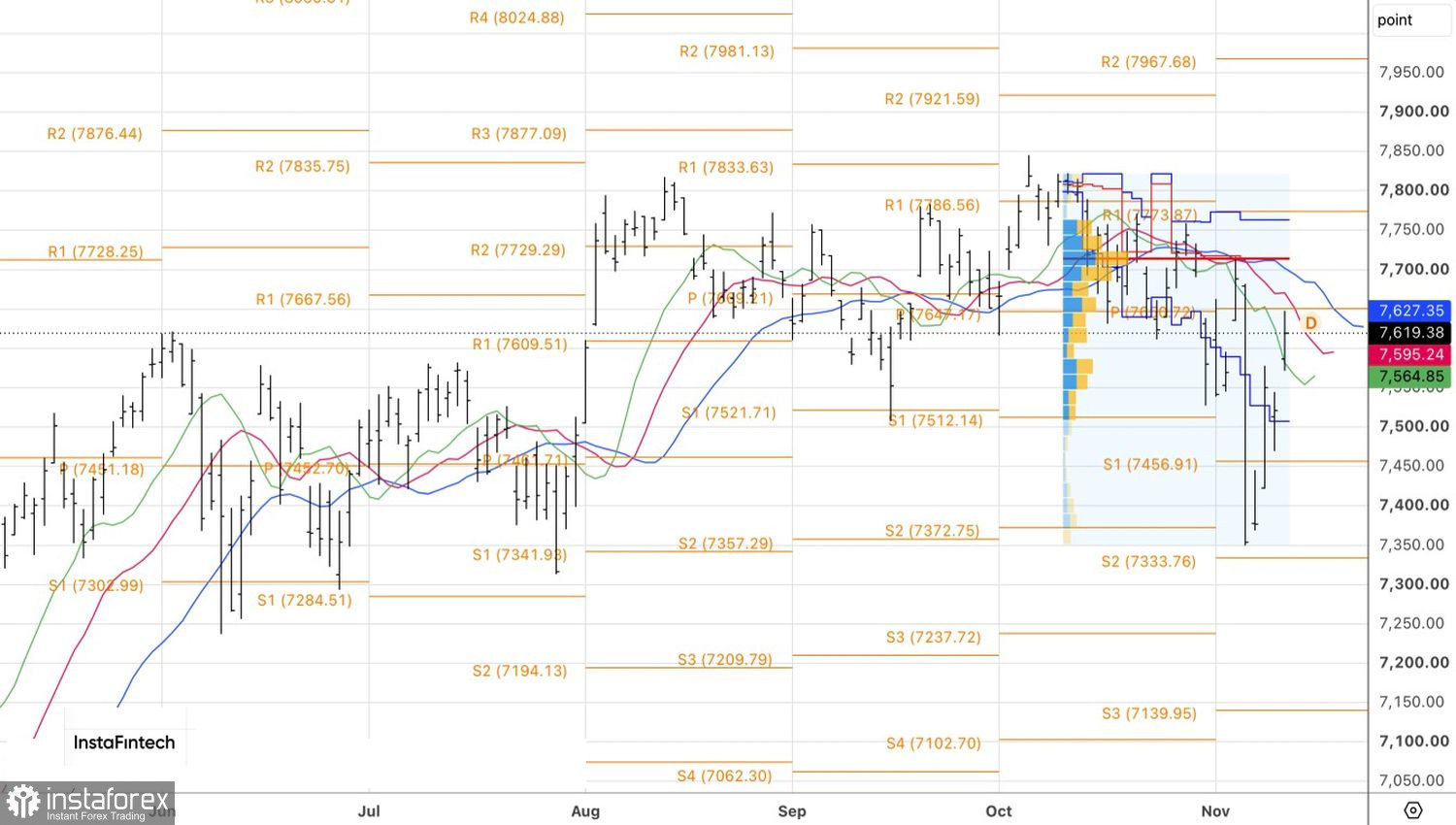
This helps explain why the S&P 500 can advance even as Treasury yields rally and Fed tightening odds rise.
Technically, the daily S&P 500 chart shows an inside bar. A break above its high near 7,540 would justify adding to previously opened long positions.


