










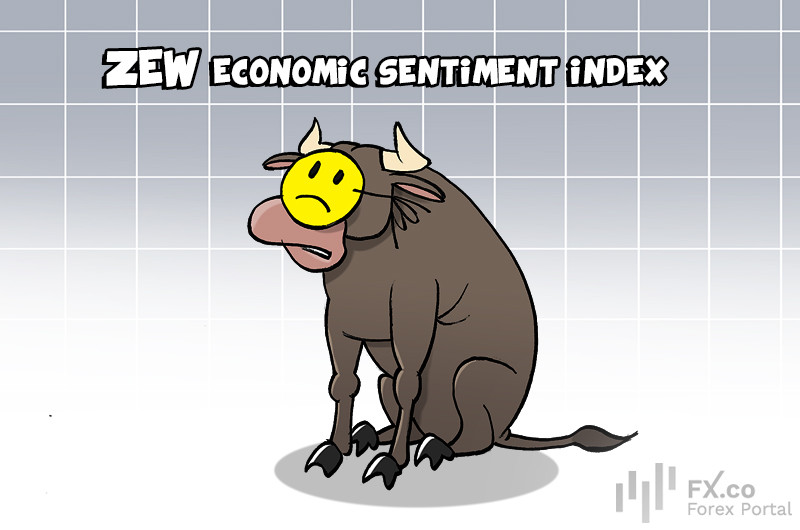
The ZEW economic expectations index sank to -17.2 points in April 2026 against the backdrop of a protracted energy crisis. Military actions in Iran have halted Europe’s economic recovery, provoking a decline in business sentiment and a sharp jump in inflation.
The ZEW indicator plunged from -0.5 points in March to -17.2 points, significantly worse than economists’ median forecasts. Achim Wambach, president of the ZEW institute, noted, “The economic consequences of the war in Iran for Germany extend far beyond consumer inflation.” Businesses are worried about the threat of a long-term shortage of energy supplies, which is holding back investment activity and reducing the efficiency of government support measures.
Leading German research institutes now expect GDP growth to be less than half of their initial forecasts. In 2025, Germany’s economy grew by just 0.2%, and government investments in the defense sector only partially offset the downturn. The European Central Bank plans to keep interest rates unchanged at its meeting on April 30, 2026, in order to assess the damage from the Middle East conflict.
Chancellor Friedrich Merz confirmed that additional anti-crisis measures are already on the table in case of further escalation in Iran. The government has already allocated €1.6 billion ($1.9 billion) to curb retail petrol prices through a temporary tax cut. The current dynamics of commodity prices remain the main factor putting pressure on manufacturing, limiting the country’s ability to perk up promptly in the wake of stagnation.