


















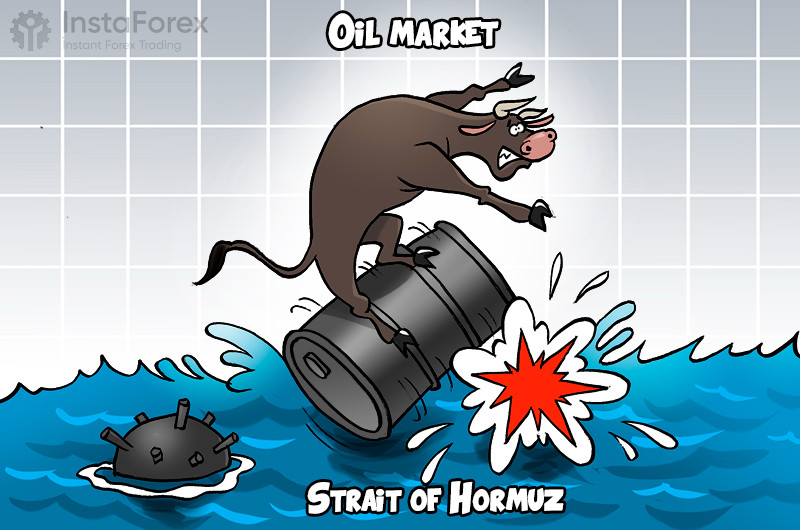
The global oil market will hardly recover until 2027 if the Strait of Hormuz remains blocked beyond mid‑June. Saudi Aramco CEO Amin Nasser warned investors of the largest historic supply shock to the energy market caused by massive disruptions to commercial shipping.
Before the military conflict between the US and Iran, 20% of world oil shipments passed through this narrow waterway. Nowadays, daily transit has collapsed from around 70 vessels to just 2–5. More than 600 tankers are currently stranded in the Persian Gulf. The lack of a compromise after US President Donald Trump rejected Tehran’s counterproposals has only heightened overall tensions. Assessing the scale of the logistics crisis, Amin Nasser said, “Even if the Strait of Hormuz were to open today, the market would still need months to restore balance. If reopening is delayed by a few more weeks, the recovery will stretch into 2027.”
Weekly losses from the transit shutdown are estimated at 100 million barrels of shipments, and the cumulative net deficit has reached 880 million barrels even after activating Saudi Arabia’s East‑West pipeline and tapping government strategic reserves. This trajectory is rapidly depleting gasoline and jet fuel stocks ahead of the peak summer season. Looking at prospects for reviving logistics, Amin Nasser added, “Even in the most optimistic scenario, energy and commodity supply chains will need several months to return to pre‑crisis traffic levels as vessels are rerouted or brought out of lay‑up.”


