


















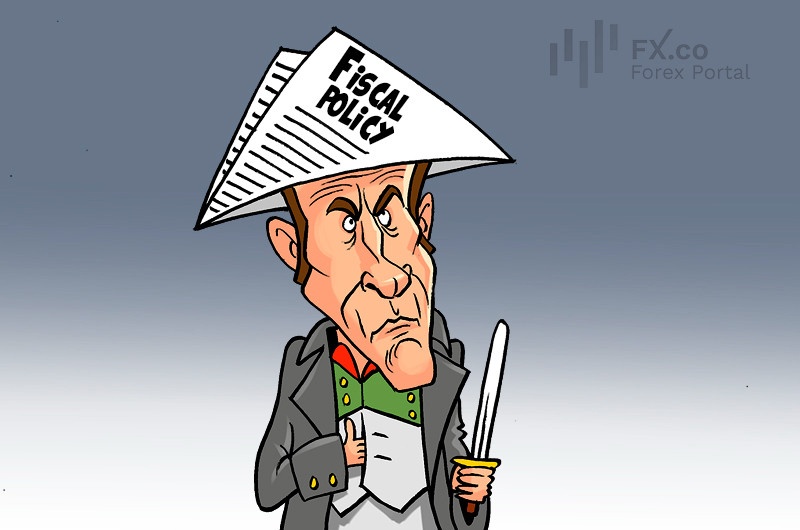
France is heading toward the most dangerous budget condition of Emmanuel Macron’s presidency to date. The failure of a new finance bill threatens a sharp rise in the deficit and another political crisis.
Speaking at an economic forum in Aix-en-Provence, Finance Minister Roland Lescure urged parliament to back deep spending cuts to bring the deficit below 5% of GDP by 2027. Prime Minister Sebastien Lecornu suggested the alternative: if the bill is not passed, existing spending lines will be automatically extended, and the budget hole will swell to 6.5% of GDP. That would critically constrain any future cabinet in the run-up to the presidential election in April 2027.
Decision-making is stalled by a fragmented political landscape. Since 2024, financial disputes have already cost two prime ministers their jobs, and autumn debates could again cripple the government.
Political turbulence is making investors nervous. The yield spread between French and German 10-year government bonds has widened to 80 basis points — a nine-month high and a direct indicator of market doubts about the sustainability of France’s debt.
Despite the worrying signals, policymakers radiate optimism. Lescure and Banque de France governor Emmanuel Moulin say investor appetite for French paper has not diminished and that recent debt auctions went smoothly.
Next week, the government will present an updated review of public finances with new savings measures. The 2027 budget bill will be submitted to parliament in September, and those hearings will effectively kick off the presidential campaign, with the country’s fiscal health set to become the candidates’ main weapon.


