


















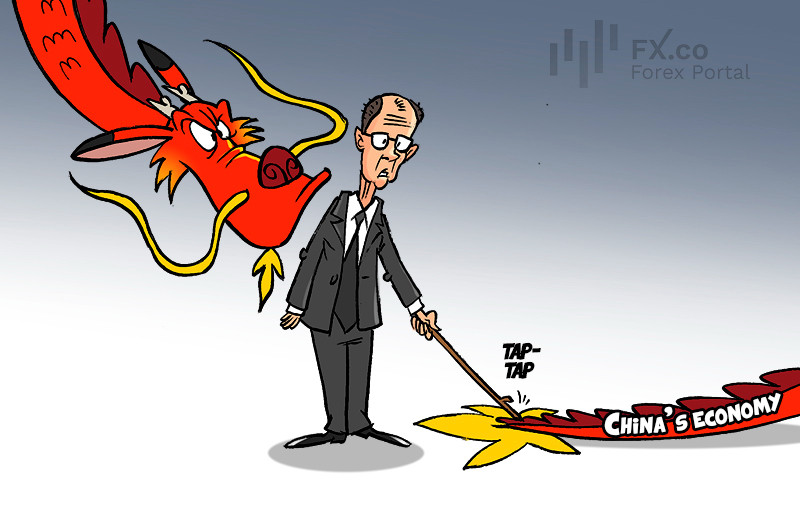
Germany is conducting a covert analysis of trade flows, supply chains, and data of Chinese companies to uncover weak points in China’s economy. Bloomberg reports that German authorities are seeking to identify sectors that remain critically dependent on German and European technologies in order to strengthen their negotiating position and create levers of pressure should a trade war break out. These steps come as China reclaimed its position as Germany’s top trading partner in 2025, overtaking the US, with bilateral trade exceeding €250 billion.
Beijing’s key vulnerabilities are concentrated in highly specialized high‑tech products, knowledge‑intensive manufacturing, and intermediate services. China remains heavily dependent on products from German giants such as Trumpf SE (laser technology and machine tools), Carl Zeiss AG (optics and semiconductors), and chip suppliers for AI systems, including Siltronic AG, Aixtron SE, and SUSS MicroTec SE. Analysts say Berlin’s most potent leverage could be not only cutting exports of components but also suspending servicing of German equipment in China.
The need to reassess economic ties is echoed by think tanks. The Centre for European Reform has previously urged Berlin to stop being dazzled by China’s success in European markets, warning that otherwise Germany could face deep deindustrialization comparable to the US industrial slump a quarter of a century ago.


