


















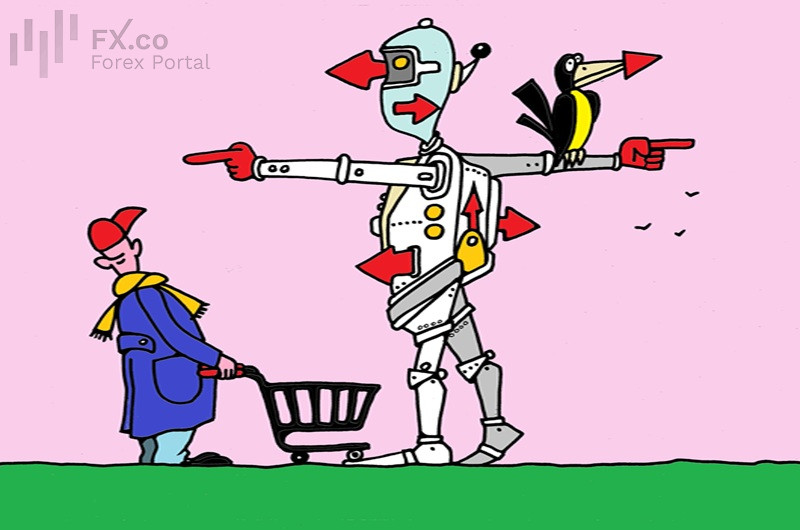
The introduction of artificial intelligence into everyday shopping threatens a painful transformation for US retail. UBS analysts predict that smart AI agents will wrest control of the buyer from sellers and strip stores of their most profitable revenue streams: sponsored placements and impulse purchases.
Algorithms such as Meta’s Muse will take over routine tasks. They will automatically compare prices, find cheaper alternatives, and manage subscriptions. For consumers, that means savings and higher real incomes. For retailers, it means being forced into a severe price war. A robot cannot be seduced by flashy checkout packaging or paid search advertising.
Electronics, furniture, and home‑goods sellers will be the first to face total price transparency. Software can effortlessly and unemotionally compare product specifications. Large general merchandise chains such as Walmart or Costco will survive thanks to scale and logistics, but even they will have to give up part of their advertising budgets.
The picture in grocery retail is mixed. Automated replenishment of food stocks is ideally suited to AI, yet people’s habit of personally selecting fresh produce still slows algorithmic expansion. The main barrier remains simple distrust: consumers are happy to use neural networks to hunt deals but are not yet ready to hand over their credit cards entirely to algorithms.


