


















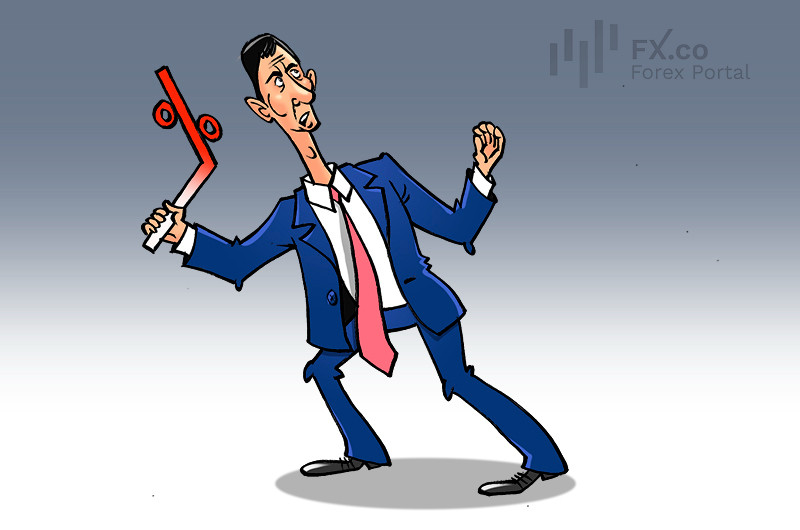
Markets are increasingly betting that the Federal Reserve will raise the policy rate again at its meeting in late October. The odds of such a scenario have risen notably over the past month amid warnings from the central bank board about the risks of persistent inflation and a spike in oil prices driven by tensions around Iran. If the FOMC ventures into a rate hike, it would be the second consecutive increase following September’s move and would occur despite criticism from Donald Trump ahead of the November congressional elections.
The main intrigue centers on the Fed’s unwritten convention: the central bank typically avoids dramatic moves immediately before a vote in order to remain above politics. Historically, October rate hikes during pre‑election periods have been uncommon; exceptions in recent decades refer only to 2018 and 2022. Goldman Sachs analysts believe the market is overestimating the Fed’s hawkish rhetoric: the rate-setting committee may allow for one more rate increase before year‑end, but the FOMC is more likely to pause in October and delay a decision until December.
Expectations of tighter monetary policy have triggered a wave of selling across financial markets. The US dollar strengthened notably while major stock indices slipped in sync in September. The technology sector bore the brunt of the selling pressure; large chipmakers and IT giants, including Intel, Meta, and Tesla, incurred losses. On the other hand, Nvidia showed a strong performance, and gold held near record highs, once again confirming its role as a reliable safe‑haven asset in times of instability.


