


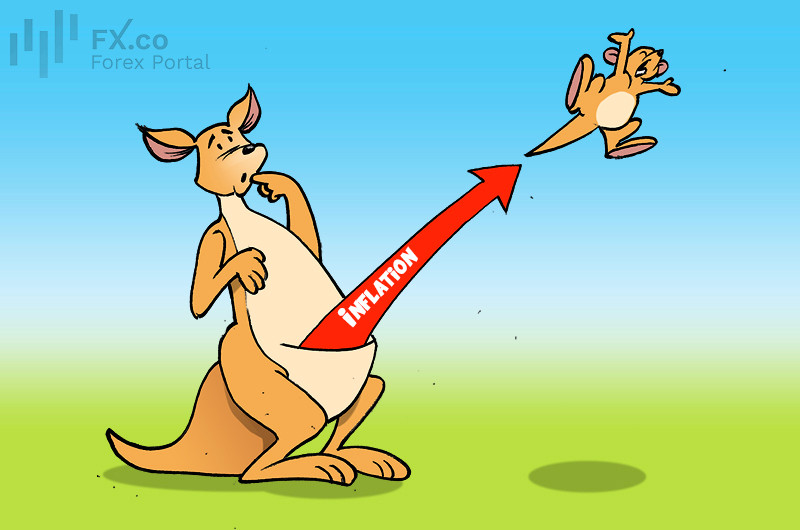
Australia’s inflation outlook is materially worse than the August forecasts, and upcoming third‑quarter data is likely to confirm the negative trend, Deputy Governor of the Reserve Bank of Australia Andrew Hauser warned at a Citi conference in Sydney. He said the bank’s internal surveys indicate that Australian businesses are increasingly passing higher costs on to final consumers. That practice carries a critical risk of entrenching elevated inflation expectations and normalizing higher prices.
“The inflation outlook looks materially worse than we projected in the August report. Even though the unemployment rate has increased slightly to 4.7%, inflation will be the primary factor that the RBA will be looking at when deciding whether to increase rates,” Hauser said. The deputy governor emphasized that the business sector is beginning to treat price growth around 3.5% as the new normal. Such entrenchment of inflationary pressures in the economy could force the central bank to tighten monetary conditions further, despite steps already taken. The RBA has raised its policy rate four times this year, by a cumulative 100 basis points, but has so far been unable to bring persistent price pressures under control.
External factors have been the principal catalysts of the inflation wave: a sharp rise in global crude prices amid the US‑Iran conflict and a large‑scale increase in costs for microelectronics and equipment driven by the global AI boom. Australian consumer prices rose 4.0% in August, well above the RBA’s 2–3% target range. Although market analysts had largely written off the prospect of a fifth rate hike this year, Hauser’s hawkish comments forced traders to reassess positions. The probability of another increase at the November meeting is now priced at roughly 40%.


