


















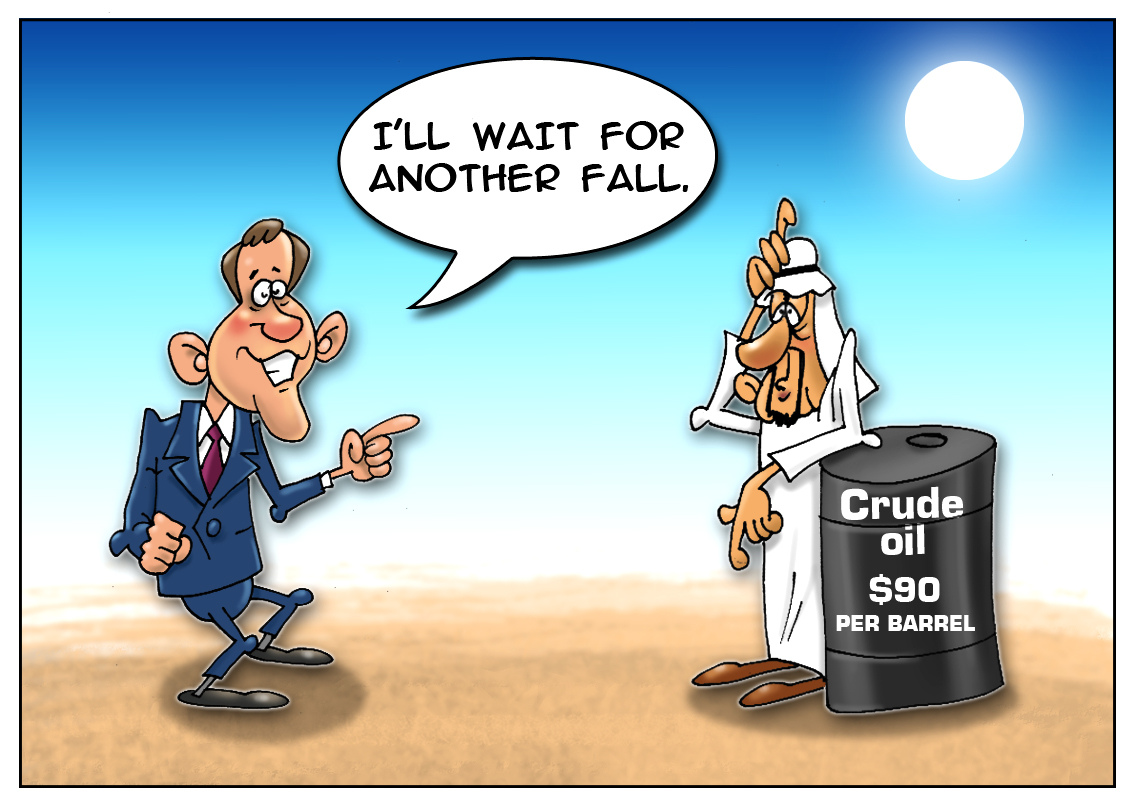
Prices for the benchmark ICE Brent crude oil futures continue falling. The International Monetary Fund report on global economic slowdown is said to be one of the reasons for the decline. In addition, a reduction of 1.44 million barrels in oil consumption is expected in the U.S., according to a forecast of EIA. It also became known that oil inventories are rising significantly more than analysts have expected. For example, in one week, the U.S. Inventories rose by 5.1 million barrels to 360 million barrels, topping forecasts for an increase of only 1.5 million barrels for this period. Experts predict a further fall in crude oil prices, being confident that this time it will be for a prolong period of time, especially due to the fact that the suppliers do not intend to reduce or suspend production. As for WTI contracts, here the situation is similar: prices keep on falling, hitting one new low after another. Moreover, Saudi Arabia is going to lower export prices. According to reports, Saudi Arabia has already noticeably reduced the prices in November for its Asian customers. It is a move aimed to maintain its share on the global market. This may mean a certain price war within OPEC. "We consider that absent a supply disruption in Iraq, crude prices are likely to remain at subdued levels over the medium term as supply growth exceeds demand growth," economist Phin Ziebell at National Australia Bank said in a report. However, there are opposing views. Analyst Barnabas Gan at Singapore's OCBC Bank said, "Given that crude futures are already at their multi-year lows, we see limited downside risk to prices at this juncture, especially as geopolitical risk-premiums may have already been substantially narrowed."


