


















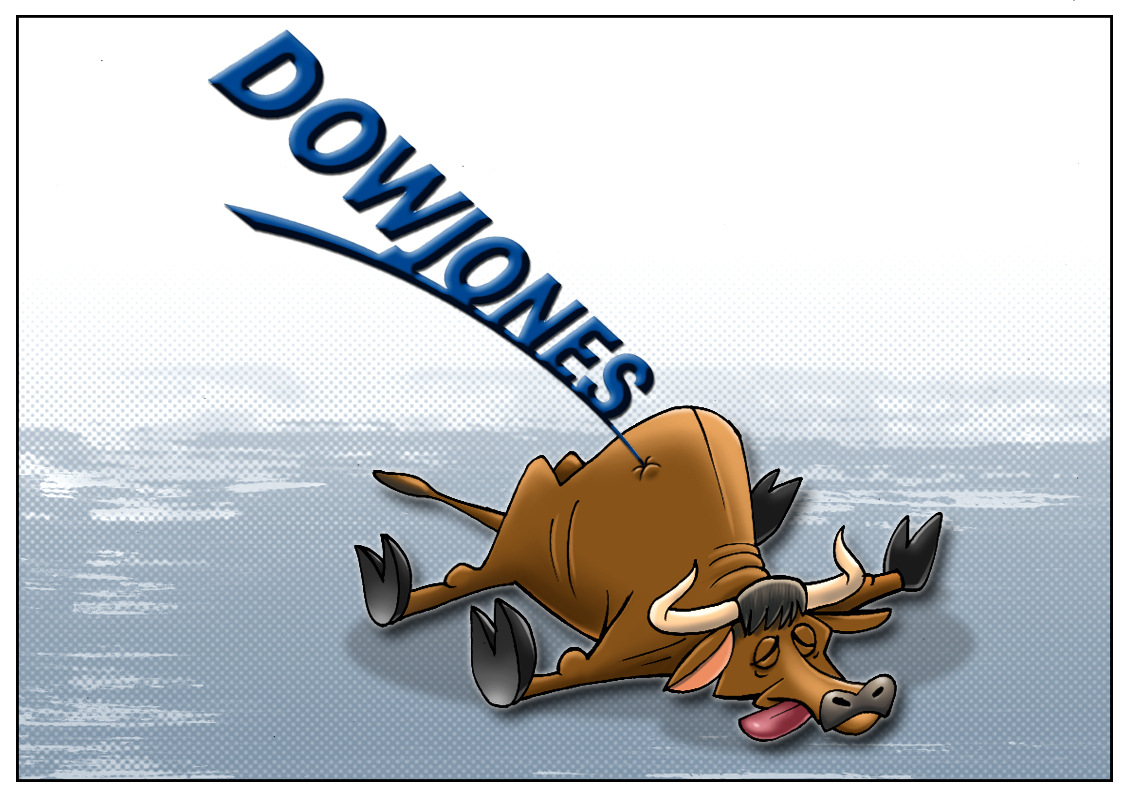
The situation on the global financial market is critical, participants are noting the falling of all indicators. The U.S. market has recently joined the common bearish trend. One of the last weeks was the worst for the Dow Jones index since 2011. Statistics and financial reports are more graphic and clearer than any allegory, the global trading floors lost about $1.2 billion in five sessions. As a result, the U.S. volatility index rocketed up 78 percent, though its value had been below average before. The general consensus shares the view that the oil price fall could be blamed for the current situation. However, this reason seems to be nearly formal. Indeed, cheap crude oil can be a great driver for the global economy, as energy cost is one of the main categories of expenditure for corporations. Some experts have already compared the cheap oil effect with QE, with only one difference: funds received from the monetary incentives were channeled to the financial markets and pushed loan interest rates down, therefore the decline in oil prices is going to reduce companies' current expenses. On the other hand, most economies did not show better figures, moreover in the most of cases the figures were even worse. In other words, all that the Federal Reserve has done is that it helped the rich elite become richer through raising the assets value. All of these make us concerned that a new crisis though different from the previous one has already started!


