


















The euro rate fell more than 15 kopecks to 39.86 a ruble at the beginning of the trading session on March 18. The dollar rate, on the contrary, grew to 30.9025 a ruble. On the international market the single currency dropped sharply against the U.S. dollar: on March 18, the euro was trading below 1.29 dollar, however at the end of the last week the currency was trading near 1.31 dollars.
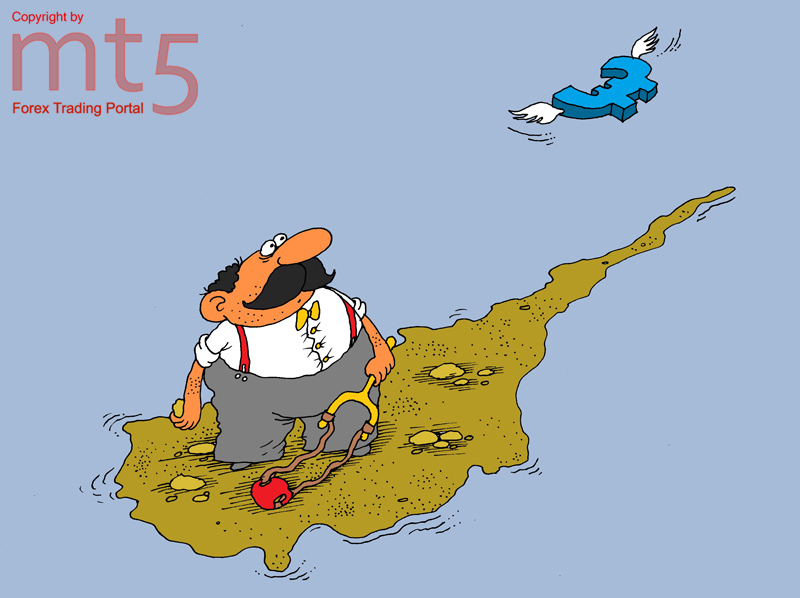
The euro’s fall-off was due to Cyprus’ government decision to leave a one-time tax on banking deposits to get financial aid from the EU totaling 10 billion euro. Initially it was expected that the levy of 6.75% will be imposed on the deposits of less than 100,000 euro and 9.9% of more than that.
On March 17, business mass media reported, citing Cypriot governmental sources, that the administration is creating a project which should ease the depositors’ burden. The new proposal is said to see smaller depositors with up to 100,000 euro taxed at 3%, while those who have over 100,000 euro taxed at 12.5%.
On March 18, the government is to vote on this unpopular measure. It is expected that the positive decision will help to raise 6 billion euro for the budget. Foreign depositors will also fall under new regulation, including the Russians which are the majority.
According to RIA Novosti, deputy economics minister of Russia Andrei Klepach thinks that the tax hike will considerably affect the capital inflow and outflow in Russia. The minister added that the Cyprus’ issue is the matter of risks growth, but not the flight of capital.
News from Cyprus pushed the stock indices down. Thus, on March 18, MICEX lost 2.33% to 1,460 at the beginning of the session, RTS edged down 3.12% to 1,489 points. The stock indicators traced back to the readings notched in the middle of December 2012.


