FX.co ★ When steel comes to life: 7 gadgets transforming physical world


When steel comes to life: 7 gadgets transforming physical world
Smart AI tattoos
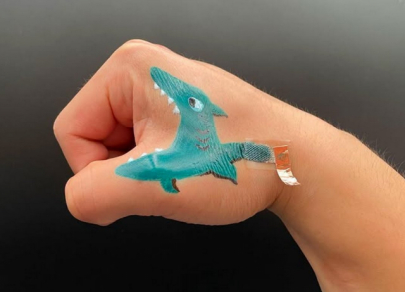
Researchers at Pennsylvania State University have made a breakthrough in bioelectronics by creating conductive inks that can be applied directly to the skin as stylish colored designs. These "smart tattoos" function as sensitive electrodes and do not cause discomfort during movement. The dermal artwork reads neural signals from the brain, monitors heart activity, and serves as a direct interface for controlling bionic prosthetics. This technology paves the way for entirely unobtrusive health monitoring, transforming human skin into a high-precision sensory panel.
Foldable-form agents
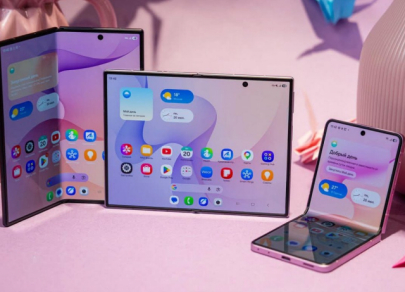
At the Galaxy Unpacked event in London, Samsung unveiled the eighth generation of its Galaxy Z foldable smartphones and showcased smart glasses running on the Google Android XR platform for the first time. The South Korean giant is placing a strong emphasis on deep integration of artificial intelligence. The new gadgets come equipped with agent functionality that significantly enhances the capabilities of the Gemini assistant. This system can analyze the surrounding context in real time, anticipate user intentions, suggest logical actions, and assist in completing everyday tasks with minimal clicks.
Cuffless blood pressure monitor
American startup Vital Signals from San Francisco has introduced the revolutionary Signal Ring, the world's first wearable device in ring form capable of measuring blood pressure around the clock without the traditional inflatable cuff and complicated calibration associated with conventional monitors. The developers emphasize that they are positioning the gadget not as another fitness tracker for counting steps but as a full-fledged medical device. The ring is designed for individuals with hypertension, intended to monitor their condition and provide timely alerts for critical spikes in blood pressure.

Codex Micro: new era in keyboards
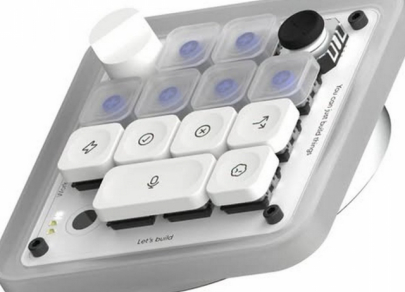
While the tech world awaits the secret device from OpenAI and former Apple designer Jony Ive, the company has unexpectedly launched the Codex Micro control unit. Priced at $230, this compact keyboard is designed for managing the programming AI assistant, Codex. The device features 12 programmable keys, an accurate joystick, and a dedicated physical knob for adjusting the AI’s "reasoning" level. This miniature command center enables developers to instantly execute tasks without being distracted by on-screen menus.
Smartphone without apps?
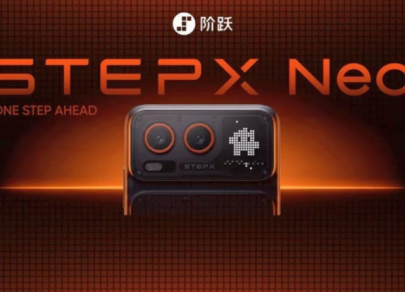
Supported by tech giant Tencent, startup StepFun has announced the STEPX Neo, the world’s first "agent" smartphone that abandons the traditional app grid concept. Instead of a conventional operating system, the smartphone is powered by a single artificial intelligence. Users no longer need to manually switch between numerous programs for ordering food, booking tickets, or sending messages. They simply state a task in natural language, either verbally or via text, and the AI agent will independently connect to the necessary services and deliver the result.
Kinetic speaker from OpenAI
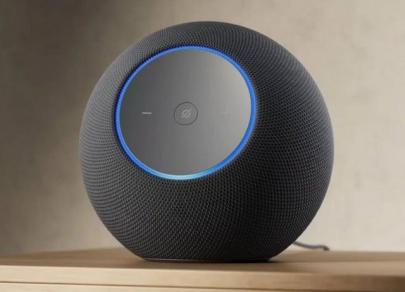
OpenAI's first full-fledged consumer gadget will be a portable, screenless smart speaker created in collaboration with designer Jony Ive. The device will feature deep integration with ChatGPT, function as a smart home hub, and possess a unique adaptive "personality." Equipped with a camera, multiple sensors, and movable mechanical components, the speaker can literally turn towards a speaker and express emotions through movements for a more natural dialogue. This project is being developed under strict confidentiality.
Accordion displays
Engineers at the Korea Advanced Institute of Science and Technology (KAIST) have made a breakthrough by creating a platform for next-generation flexible, stretchable screens. This innovative technology, based on auxetic structures, allows the display to physically stretch by 15% in all directions without any distortion. This development overcomes a major barrier in flexible electronics, where deformation has traditionally led to blurred images. In the future, such "living" screens will serve as the foundation for incredibly comfortable wearable electronics, body-worn medical monitors, and interfaces in soft robotics.