FX.co ★ Less sport, more money —underside of World Cup 2026


Less sport, more money —underside of World Cup 2026
FIFA’s record haul
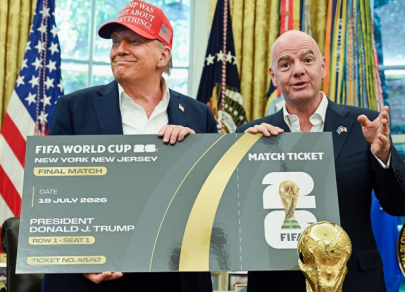
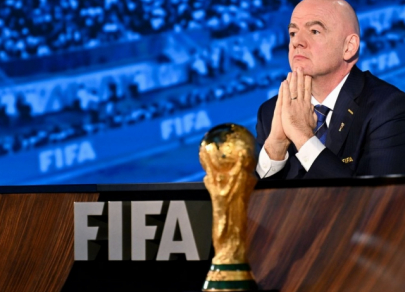
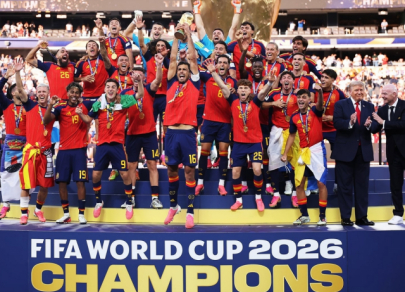
The final whistle recorded not only Spain’s long‑awaited victory but also a grand financial triumph for the International Federation. FIFA president Gianni Infantino officially announced the organization expected more than $15 billion in revenue. Initial projections had been around $11 billion. For context, revenue from the 2022 World Cup in Qatar was $7.6 billion. In other words, the regulator’s income nearly doubled, demonstrating the immense efficiency of the new commercial model.
Prize money raining in millions
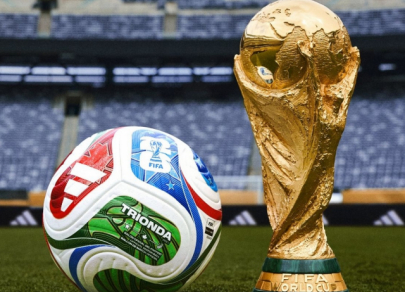
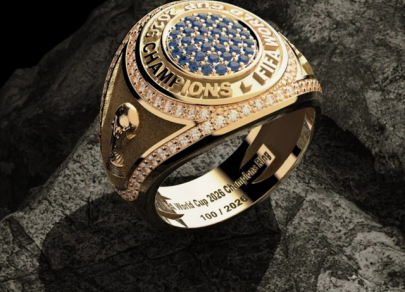
The total prize pool for the 2026 World Cup reached an astronomical $655 million in pure prizes, plus another $72 million for team preparations. The final $727 million more than doubled the payout at the Qatar tournament. The winning Spain squad received $51 million and exclusive personalized rings. Runner‑up Argentina received $34 million. Both finalists also received $2.5 million simply for reaching the final. Even modest outsiders eliminated at the group stage earned guaranteed $9 million and $1.5 million to cover preliminary expenses.
Spectator shock
For ordinary fans, the World Cup became the most expensive trip of their lives. Match attendance hit wallets hard because of flight, hotel, and parking prices. The real outrage, though, was food prices inside the stadiums. In the United States, a standard beer cost $16–$22, a plain hot dog cost $8.50, and a small 0.6‑litre bottle of water was sold for $5. Financial analysts estimated the average on‑site spend per spectator, including a souvenir and a quick snack, ran about $100.
Legitimized ticket resellers
The main driver of FIFA’s unexpected financial surge was a cynical new resale commission system. The organization that had fought ticket scalpers for years suddenly led the process, introducing a mandatory 15% fee on tickets bought in the secondary market. The commission was charged to both seller and buyer. With no legal cap on resale prices, market appetites ran wild: the highest bid for a single final ticket reached a staggering $2.2 million. Infantino joked he would personally deliver a hot dog to that buyer.
Billion dollars for sip of water
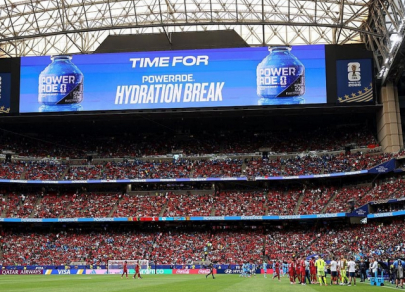
Mandatory hydration breaks introduced because of abnormal heat became a gold mine for broadcasters. US media giants quickly realized a short pause was the perfect slot for ultra‑expensive advertising. Ad packages during those breaks on Fox rose to $7–9 million for a short slot. By comparison, standard 30‑second spots cost about $200–300 thousand. Fox Sports alone earned $250 million from the hydration breaks, and globally the move generated more than $1 billion for broadcasters.
$45-billion macroeconomic boost
Bank of America analysts forecast the tournament would add a record $45 billion to global GDP, nearly $19 billion of which would accrue directly to the US economy. Understanding the scale of future gains, three US states (Florida, Georgia, and Missouri) made an unprecedented decision: they waived taxes on ticket sales and forewent $57.8 million in revenue because FIFA made tax concessions a condition of hosting matches. The overall indirect economic benefit from tourist inflows more than offset those tax giveaways.
Cabo Verde phenomenon
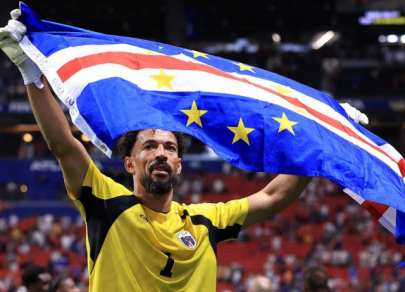
The sporting and tourism sensation of the tournament was the modest Cabo Verde national team. After the team from a nation of 500,000 people sensationally reached the knockout stage without losing a match, online searches for vacations to the islands surged by an unbelievable 5,000%. Analysts compared the effect to Morocco’s breakthrough at the 2022 World Cup. After Morocco reached the semifinals, the country’s tourism revenue jumped 34% to a record $10 billion. The tiny island state converted a football fairy tale into a powerful national brand.
Showbiz instead of football
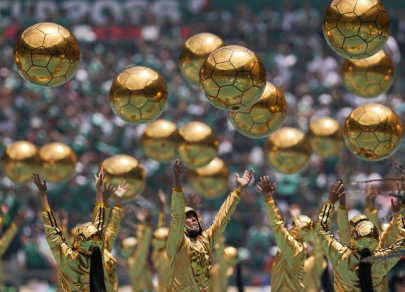
The tournament’s commercial frenzy triggered fierce criticism from football purists. Instead of a classic halftime, organizers staged a 30‑minute entertainment extravaganza featuring Madonna, Shakira, BTS, and Justin Bieber. The performance fees were donated to FIFA’s Global Education Fund. The US president also seized a moment on the pitch and did not want to leave the frame with the Spanish players during the trophy presentation. Infantino literally shepherded the politician off camera by the sleeve during the live broadcast.
America first?
Earlier, Donald Trump sparked a major refereeing scandal by intervening to have a red card rescinded for an American player. The unprecedented move provoked a storm of outrage and accusations of favoritism toward the host nation. FIFA and broadcast giants could not risk weakening the US team and losing viewership in the domestic market. At stake were billions in advertising impressions, merchandise sales, and US broadcaster ratings, and strict rules and impartial refereeing were subordinated to those commercial calculations.