FX.co ★ Some creative ideas to lend money


Some creative ideas to lend money
Romania: blood for interest
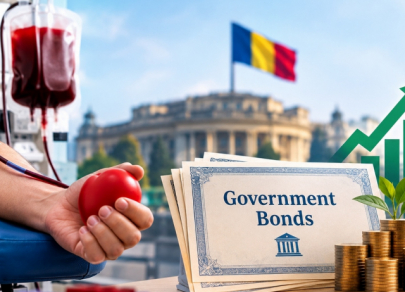
As part of the Fidelis program, Romania’s Ministry of Finance offered citizens a unique deal: give blood in exchange for better terms on government bonds. A regular security requires a minimum contribution of 5,000 lei at a 6% annual rate. A donor certificate cuts that threshold tenfold — to 500 lei — while the yield rises above 7%. The initiative, launched in partnership with rock radio station Rock FM under the slogan “Romania has the blood of a rocker, now also of an investor,” instantly went viral, turning donation into a popular financial instrument.
Connecticut: retro marketing for environment
The US state of Connecticut turned to historical marketing roots by issuing Green Liberty Bonds. The bonds’ design and visual campaign were deliberately styled after the famous World War II war bonds. The message of “patriotic duty” was reinterpreted in the context of fighting climate change, financing local green energy, grid modernization, and environmental startups. This allowed the state to attract retail capital from investors who value transparency in how funds are spent.

UK Premium Bonds: 70 years of history
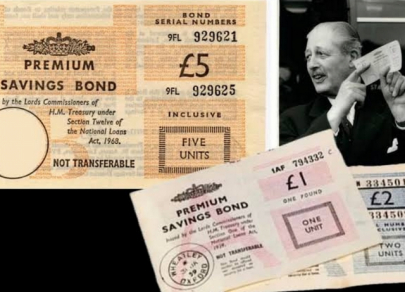
The Premium Bonds system, launched by the UK government in 1956, remains a benchmark for creative fundraising. These government bonds do not pay traditional interest. Instead, prizes are pooled monthly and distributed to investors via a transparent lottery draw. Each month, a few lucky holders become millionaires. Investors can redeem their holdings at any time, making Premium Bonds an ideal hybrid of a lottery and a safe savings account.
Poland: gambling in service of public debt
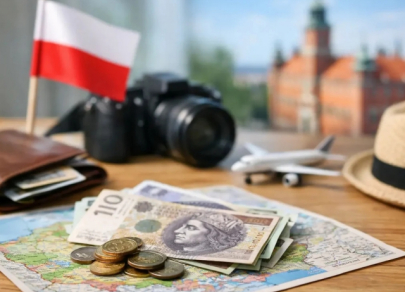
Poland’s Ministry of Finance decided to encourage retail interest in domestic debt through gamification. In its retail bond issue (OWGZ), investors were offered not only a guaranteed base rate of 1.5% but also entry into a large cash lottery. By buying a bond with a nominal value of only 100 zloty, a citizen automatically entered into a prize draw ranging from 10 to 100,000 zloty. This combination of absolute government reliability and an element of gambling attracted thousands of small investors.
World Bank “Rhino Bonds”
The World Bank issued so‑called Wildlife Conservation Bonds, or “rhino bonds,” to protect black rhinos in South African national parks. Investors do not receive a traditional annual coupon. The financial payoff depends on the population dynamics of the endangered animals: if rhino numbers grow by a certain percentage over five years, investors receive a bonus from the Global Environment Facility, turning philanthropy into a structured asset.

Outcome Bonds: restoring Amazon
Another World Bank innovation is Outcome Bonds — bonds whose returns are directly tied to achieving specific metrics. By directing capital to projects that restore Amazon forests or recycle plastic waste from the oceans, investors receive basic principal protection, while their coupon income increases in proportion to hectares planted or tons of plastic recycled. This approach reduces the risk of greenwashing by ensuring money supports real and verifiable environmental results.
Japan: taxes exchanged for delicacies
In Japan, the “hometown tax” program lets citizens redirect part of their municipal tax or buy regional bonds in support of provincial towns. In gratitude, municipalities send investors local delicacies: quality wagyu beef, fresh seafood, melons or vouchers for stays at local hot springs. The program has become a national craze: people invest in distressed regions, turning dry tax payments and bond purchases into gastronomic experiences and domestic tourism.