


















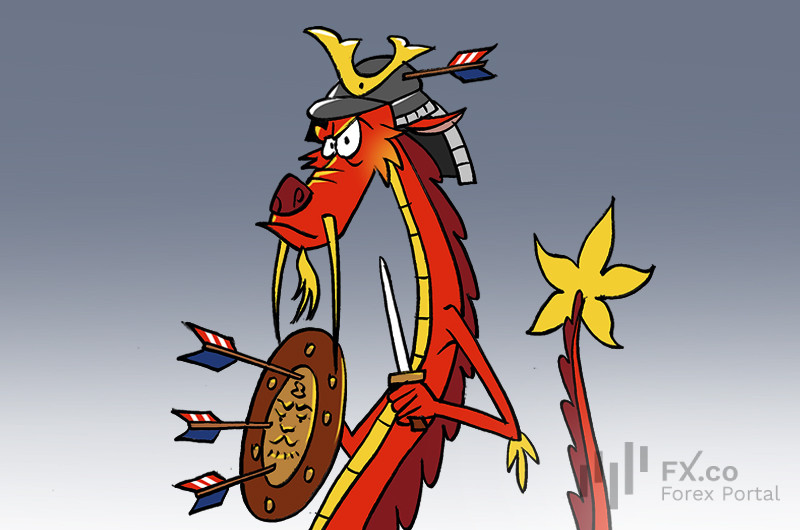
In late March 2026, analysts at Goldman Sachs presented a report confirming China's exceptional resilience to the current oil crisis. While the blockade of the Strait of Hormuz and the conflict in Iran may lead to a 0.4% drop in US GDP, the Chinese economy is expected to slow down by only a symbolic 0.2%. The foundation of this stability lies in the timely and extensive transformation of the country's energy balance.
By early 2026, Beijing significantly reduced its dependence on fossil fuels, with crude oil and LNG now accounting for only 28% of primary energy consumption. An impressive 40% of electricity is generated from renewable sources, effectively shielding the industrial sector from price shocks in the hydrocarbon market. This allows China to maintain its manufacturing competitiveness even amid global instability.
In addition, Beijing has built an unprecedented system of strategic reserves. China's oil reserves are sufficient for 110 days of complete autonomous operation. In comparison, the US capabilities in this regard are nearly five times smaller, as American reserves were critically depleted in March 2026 to restrain pump prices. This creates a significant gap in energy security between the two superpowers.
Lastly, China has established a robust logistics system. The country relies on direct pipeline supplies from Russia and northern routes, while imports from Australia and Malaysia bypass dangerous zones. This diversification, combined with structural reforms, positions Chinese assets (A-shares) as a safe haven for investors. While global indices decline due to stagflation threats, the Chinese market is showing steady momentum.


