


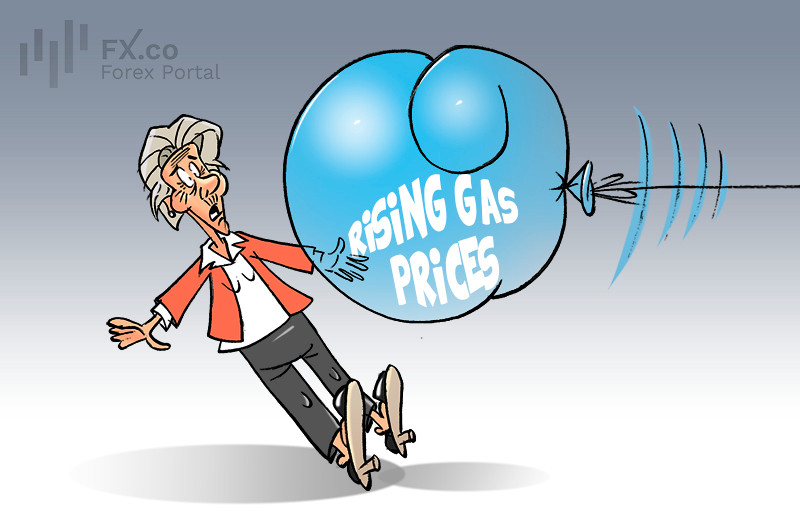
The European Union’s total financial losses from the rapid rally in energy prices from January through the end of October have reached an enormous €127 billion, European Commission President Ursula von der Leyen stated. According to the commission chief, that figure jumped by €21 billion in the final week of October alone amid persistent pressure on commodity markets.
The main catalyst for the energy shock in Europe was massive supply disruptions from the Middle East caused by an effective blockade of shipping through the strategically important Strait of Hormuz. The situation was worsened by low levels in local underground gas storage ahead of the heating season. With Russian pipeline imports sharply reduced, EU companies were forced to secure volumes from alternative suppliers — mainly the United States and Norway — on short notice and at a substantial price premium.
Against the backdrop of record expenditure, Lithuania’s energy minister Lukas Savickas urged EU leaders to urgently devise additional measures to contain fuel prices. The Lithuanian minister warned that a prolonged crisis would inevitably increase political pressure in some countries to restore access to cheaper Russian gas. Ursula von der Leyen, however, categorically ruled out any reconsideration of the energy embargo: under the EU’s adopted strategy, imports of both pipeline and liquefied natural gas from Russia must be fully phased out by the end of next year.


