


















Last week, a mid-term reversal pattern emerged. This became possible due to the consolidation of the pair above the weekly short-term fault of 1.2575-1.2561. The continuation of the upward movement is a priority this week.
Medium-term plan.
Last week, the pair returned to the monthly short-term fault of July (1.2628-1.2585), which allowed implementing the priority upward model. The next step was to consolidate above the weekly short-term fault of 1.2575-1.2561, which indicates a violation of the downward medium-term impulse. To continue the growth, it will be required to keep the price above the weekly short-term fault of 1.2516-1.2502. This will allow you to keep your purchases until the weekly short-term fault of 1.2742-1.2727, where you need another fixation. Decrease to the maximum of last week will allow getting more favorable prices for the purchase of the instrument.
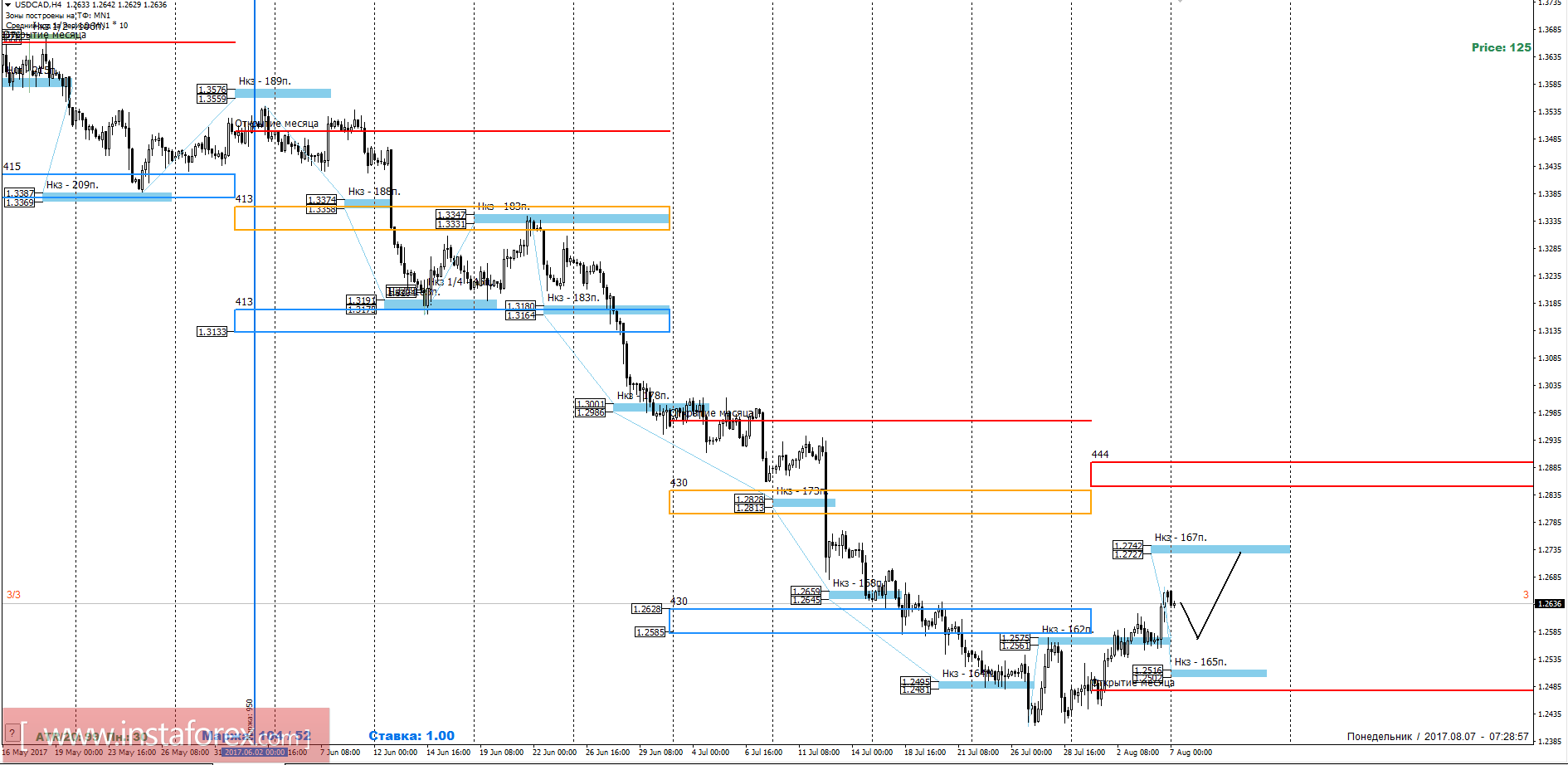
Infringement of an ascending structure will occur in case the pair can be fixed below the level of 1.2502 on one of the American sessions. This will open the way for the continuation of the fall and update of the monthly minimum.
Intraday plan.
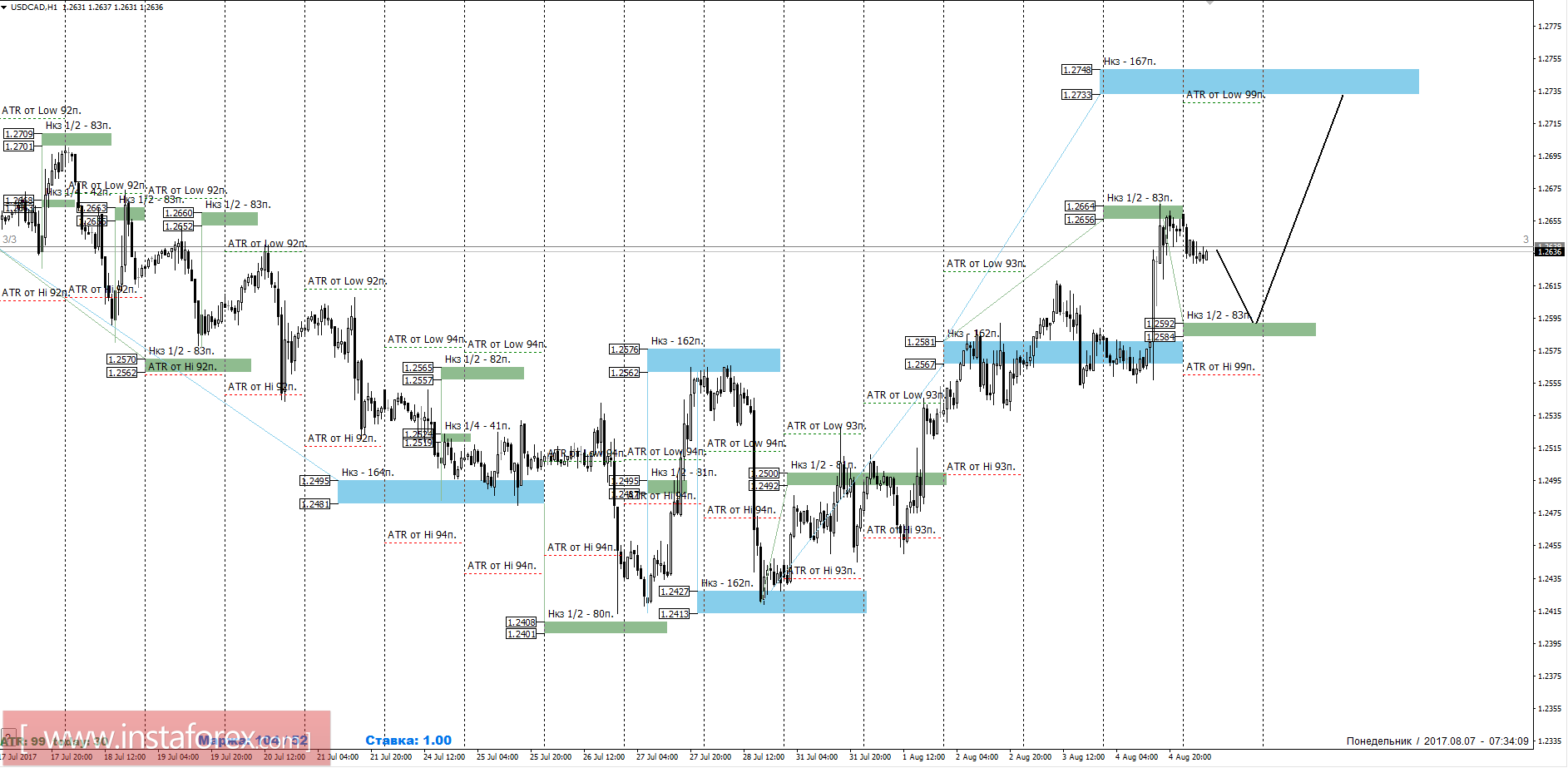
The determining support, at the beginning of this week, is the NCP 1/2 1.2592-1.2584. While the pair is trading above this zone, the upward movement has the status of impulse. The next goal of growth is a weekly short-term fault of 1.2748-1.2733. To disrupt the upward momentum, one of the American sessions below the level of 1.2584 is required. This will allow considering the formation of the medium-term accumulation zone and will allow obtaining favorable prices for the sale of the instrument in the near future.
Daytime short-term fault is the daytime control zone. The zone formed by important data from the futures market, which change several times a year.
Weekly short-term fault is the weekly control zone. The zone formed by important futures market marks, which change several times a year.
Monthly short-term fault is the monthly control zone. The zone, which is a reflection of the average volatility over the past year.


