


















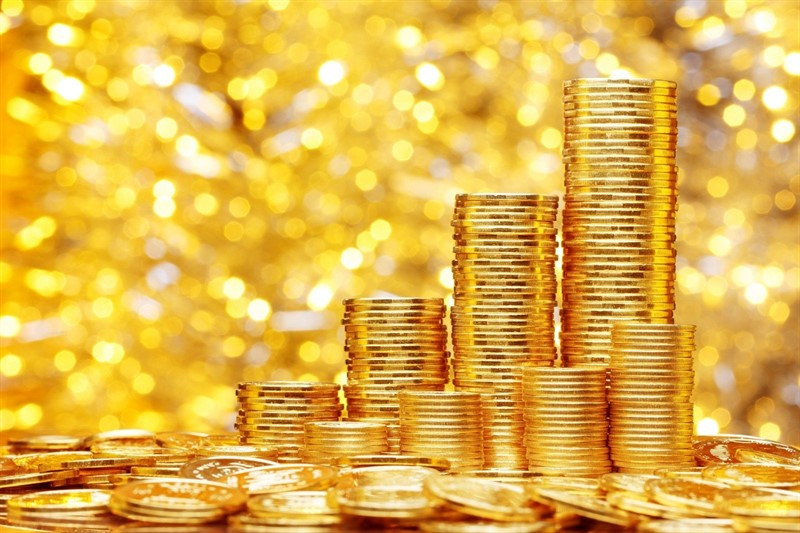
The cost of gold is growing steadily and has already overcome the mark of $1500 per 1 ounce. The devaluation of the yuan and the chaos in the markets are pushing investors to more active purchases of precious metals.
According to experts, gold retains a good chance to continue the rally. There are a number of reasons for this.
First, the Fed closes its eyes to strong statistics on the United States and is ready to stimulate the economy against the backdrop of increased international risks.
Secondly, speculators have significant potential to increase long positions in precious metals. This allows Citigroup specialists to forecast an increase in "longs" and an increase in the gold rate to $1,525 per ounce over the next three months.
Another point. In the bear market, gold flows tend to go from West to East. Under these conditions, stocks of specialized exchange-traded funds are decreasing, while Asian imports, on the contrary, are expanding. When the market is dominated by "bulls", the process turns in the opposite direction. In this regard, India's reduction in purchases of precious metals in July by 69% to 20.4 tons (the lowest level since March 2016) and the rapid growth of reserves of "gold" ETF indicate that the precious metal has determined the trend. Gold is also supported by the fact that in January-June, Central banks led by Poland, Russia, and China increased purchases of gold to 374 tons. This is the best result in the first half of the year in history.
In addition, markets had to adjust to the new reality – the slowdown in global GDP caused by trade wars. The US is raising trade tariffs, which increases investors' concerns about the fate of the global economy and forces them to buy bonds, whose yield has fallen to historic lows, and the volume of debt with negative rates exceeded $13 trillion.
Finally, the Celestial Empire signaled that it can release the national currency at will. The People's Bank of China did not put obstacles in the way of "bulls" on USD/CNY. A few decades ago, the markets functioned in the conditions of a tight peg of currencies to gold and the US dollar. As soon as it was decided to abandon the fixed exchange rate regimes, the precious metal sharply jerked up. Currently, in Asia, many national monetary units have close ties with the yuan. If the latter still breaks out of the PBOC cell, the story with the takeoff of XAU/USD may well be repeated.


