


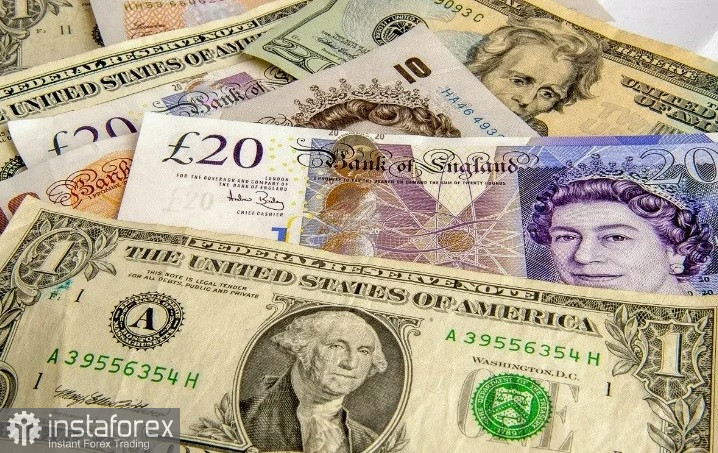
On Wednesday, the British pound is losing ground against the US dollar for the fourth consecutive day. Market participants are awaiting two major events scheduled for today: the UK budget announcement and the US Federal Reserve's (Fed) monetary policy decision. The GBP/USD pair has fallen to its 20-day SMA, reaching a two-week low.
The main event of the week in the UK will be the presentation of the first budget under Prime Minister Andy Burnham's government. The focus will be on how the government plans to finance the tax relief measures announced to ease the pressure of the rising cost of living on British households.
The market remains cautious, as the UK's public finances are under significant pressure. In September, government debt exceeded £3 trillion, driven in part by a substantial increase in net borrowing. Rachel Reeves, the previous chancellor, established a fiscal buffer of £23.6 billion. However, rising debt-servicing costs have likely already consumed around half of that amount. Against the backdrop of volatility in the bond market and fresh memories of the financial turmoil under Liz Truss in 2022, the details of Chancellor Healey's budget could increase volatility in the pound.
On the other side of the pair, the US dollar is awaiting the Fed's interest rate decision. The Federal Reserve is expected to leave interest rates unchanged. However, market participants are questioning whether Fed Chair Kevin Warsh will reinforce expectations of another rate increase in December, particularly given his reluctance to provide clear guidance on the future path of monetary policy.
ING strategists note that "some stabilization in the artificial intelligence sector has allowed the foreign exchange market to refocus on more immediate and apparent risks: rising energy prices, accelerating inflation, and the likely response from central banks." This reassessment of risks is supporting speculative demand for the US dollar.
Regarding the Fed, ING experts believe that "Chair Warsh is unlikely to want to limit his room for maneuver by referring to tighter financial conditions: he has already taken on board the lesson from the market's sharp reaction to his press conference in July." According to the analysts, "restoring monetary policy stability will remain a central theme of his remarks, which should continue to support the dollar."
From a technical perspective, the pair remains under pressure. The 20-day SMA is the last significant support level. If the pair fails to hold above it, the decline could accelerate toward 1.3180, followed by the October low.
On a potential recovery, the first resistance area is formed by the convergence of the 9-day and 14-day EMAs. The next obstacle is the 100-day SMA, followed by significant resistance at the 200-day SMA. A break above the latter could ease selling pressure on the pair. For now, however, the oscillators remain in negative territory, giving sellers the advantage.


