FX.co ★ Shinise code: secret of perpetual business in Japan


Shinise code: secret of perpetual business in Japan
Kongo Gumi: 1,400‑year foundation
Founded in 578, construction firm Kongo Gumi is considered the oldest company in the world. For more than fourteen centuries, it has specialized in building Buddhist temples. Their secret is a narrow niche and fanatical craftsmanship. They do not just put up walls — they preserve ancient carpentry techniques passed down within family workshops. The lesson for any leader: if you become an indispensable expert in something fundamental, even time will be powerless against your product. Stability here is more important than aggressive expansion.
Nintendo: transformation as survival
Many know Nintendo as a video game giant, but the company was founded in 1889 and began by producing hanafuda playing cards. Nintendo’s success is a model of Japanese adaptability. It survived gambling bans, the decline of the card business and several technological revolutions. Their strategy echoes the idea of systematic exploration: they always look for new ways to deliver “entertainment,” changing the form while preserving the essence. It is a reminder that innovation isn’t abandoning your roots but evolving them into new dimensions.

Sanpo Yoshi principle: formula of mutual good
Many of Japan’s old trading houses, such as Itochu, follow the Sanpo Yoshi philosophy — “benefit for three parties.” A deal succeeds only if it benefits the seller, the buyer, and society as a whole. In modern marketing terms, this sounds like sustainability, but for the Japanese, it was a matter of survival centuries ago. If a business harms society, society will destroy it. This ethical capitalism is the best insurance against crises of trust and lets firms remain “part of the people” for centuries.
Nishiyama Onsen Keiunkan: timeless omotenashi
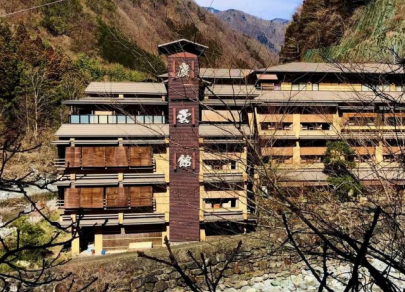
The world’s oldest hotel (founded in 705) is run by the 52nd generation of one family. Their success is built on the concept of omotenashi — selfless hospitality. At Keiunkan, they understand that a guest is not just buying a night's stay but a “state of being.” While modern corporations deploy scripts and chatbots, here they have honed the art of anticipating a guest’s needs for centuries. It is a reminder that in the economy of the future, genuine human service will be the most valuable and scarce asset — something that cannot be fully automated.
Kikkoman: mastery in single drop
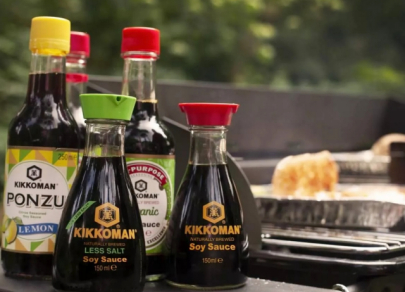
Kikkoman has been making soy sauce for over 300 years. Their success comes from conservative adherence to a recipe combined with aggressive global marketing. They do not try to reinvent the wheel; they make one product perfect. This is a “focus” strategy pushed to its highest form. Kikkoman teaches that if you hold the “gold standard” of quality, your job is not to change it but to teach the world to value it. Brand consistency creates the predictability customers will pay for for decades.
Toyota and spirit of kaizen: nonstop improvement
Although Toyota is younger than many shinise, it absorbed their core value — kaizen (continuous improvement). While others preach a culture of “disruptive chaos,” Toyota builds success from millions of micro‑improvements performed daily by each employee. This is systems thinking in practice: every problem is not a cause for panic but an opportunity to make the system a little more efficient. In the long run, evolution often proves more productive than revolution, creating a structure that is very hard to break from the outside.

Mukoyōshi principle: dynasty without borders
A key part of Japan’s succession secret is the tradition of mukoyōshi — adopting talented executives as sons‑in‑law who then take the family name and lead the company. Suzuki and Kajima followed this approach. It solves the problem of a weak hereditary heir: if the blood heir is not up to the task, management is passed to the best of the best — but kept within the “family.” It is a tough but effective method of preserving intellectual and financial capital. Success is prioritized over biological lineage, ensuring professional leadership for centuries.

Suntory and “Yatte Minahare”: spirit of challenge
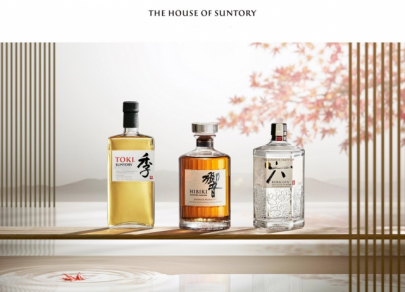
Beverage giant Suntory (founded in 1899) lives by the motto “Yatte Minahare” (Just try it!). That call to boldness allowed the company to create the first Japanese whisky when nobody believed in the idea. It bridges Japanese tradition and forward movement. Respect for the past should not prevent daring experimentation. Suntory’s success shows that even in a conservative environment, those willing to invest in “crazy” ideas that pay off in 10–20 years can win.
Toraya: aesthetics as business strategy
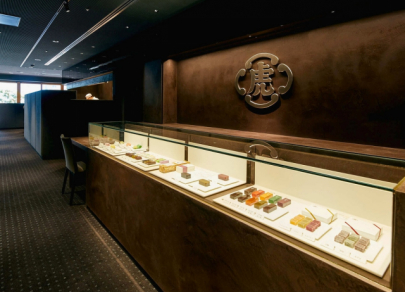
Confectioner Toraya has supplied sweets to the imperial court since the 16th century. Their success is built on turning food into art. Every wagashi confection is a seasonal metaphor reflecting Japan’s poetry and nature. Toraya teaches that the highest form of business is creating a cultural code. When your product becomes part of national identity, competition fades. In a future where everything can be copied, unique aesthetics and deep cultural context remain the last bastions of an invincible brand.