


















Australia’s central bank opted to hold interest rates, in line with economists’ predictions. The reserve Bank of Australia held its cash rate target at 1.5%.
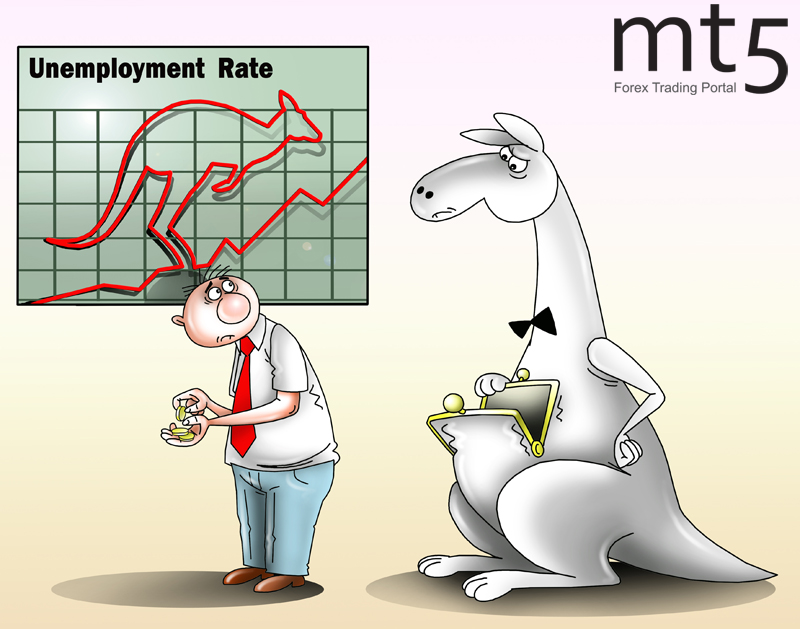
Australia’s jobless rate rose to 5.6% in April 2018. The situation was largely affected by events such as a drop in emerging markets, the introduction of new US duties and political instability in Europe, particularly in Italy.
The central bank of Australia has kept the rate at 1.5% for the past two years. The regulator does not intend to tighten its monetary policy, experts say. It expects the unemployment rate to fall to 5% and the inflation rate to approach 2-3%.
Markets put small chances of raising rates in mid-2019. The Reserve Bank of Australia does not plan a rate hike amid a record high level of household debt. According to experts, any increase in rates can significantly affect the level of consumption in the country. It is noted that household income is growing at a slow pace amid high debt levels.
According to preliminary data, the Australian economy grew by 2.8% in the first quarter of this year, helped by gas exports and investment inflows into the mining industry. Business conditions in the country are quite favorable, while there is an increase in investments in various sectors of the economy. Experts anticipate an increase in exports in the near future.


