FX.co ★ Ingenious simplicity: how elementary ideas generate millions


Ingenious simplicity: how elementary ideas generate millions
Burn, fire, burn!
The 10‑hour fireplace video on YouTube is a classic example of monetizing a basic human need for coziness and “white noise.” Owners of such channels collect thousands of dollars a month from autoplay alone, simply looping a high‑quality image and sound. Fire content is particularly sought after during Christmas and New Year holidays, when the desire for family warmth and the illusion of a home hearth peaks.

Pet Rock — a rock masquerading as a pet
In 1975, Gary Dahl became a millionaire selling ordinary stones packaged in cardboard boxes with breathing holes. The idea of the “perfect pet” — one that requires no feeding, walking, or veterinary bills — resonated with people weary of responsibility. The product came with an ironic training manual. More than 1.5 million boxes were sold in six months. The case illustrates that people buy not the object (the rock is free) but the concept, the humor, and the brief chance to feel carefree without extra chores.

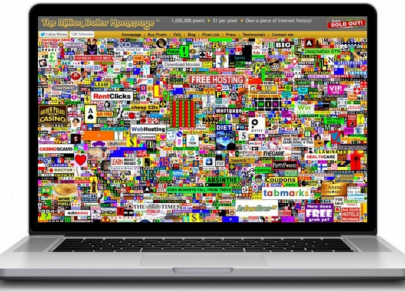
Million Dollar Homepage — trading pixels
In 2005, student Alex Tew created a website made up of one million pixels and put each up for sale at $1 apiece. His calculation was simple: curiosity and brands’ desire to become part of Internet lore. The psychology of FOMO (fear of missing out) worked flawlessly. Once the initial advertisers bought space, others rushed to buy remaining pixels to “be in the club.” The last pixels were sold at auction for tens of thousands of dollars. In the end, Alex earned a million after spending only a few hours creating the website and essentially selling empty digital real estate.
"White noise" — rain and wind for pay
Mobile apps that stream the sound of rain, forests, or a running hairdryer are raking in millions through subscription fees. The urban dweller’s psychological demand for auditory insulation from stress and help falling asleep has created a sizeable market. Product complexity is minimal — a looped recording of natural sounds — yet consumers are willing to pay for a polished interface and a smartphone “calm button.” It is a business built on a basic biological need: quality sleep and mental rest.

Unboxing — monetizing anticipation
Channels where people merely open boxes of toys or gadgets generate tens of millions of dollars a year for their owners. Psychologists call this “vicarious pleasure” — viewers receive a dopamine hit from the unwrapping and the anticipation of discovery, even if the item is not theirs. For children, such videos become an endless series about presents. The world’s highest‑earning YouTuber, Ryan Kaji, began with this format. Minimal content investment can yield enormous returns by exploiting innate human curiosity and the joy of novelty.

Spinners and fidget toys — chaos in hands
The surge in popularity of fidget spinners exposed how much modern society craves simple outlets for anxiety relief. The psychological need to “occupy the hands” during thought or stress was met by a cheap bearing with blades. Manufacturers who rushed products to market amassed fortunes on an item with no practical value. The success of spinners demonstrates that the market for “quick‑relief” consumer goods has deep and durable demand.

Slinky — a steel toy born by accident
Naval engineer Richard James accidentally dropped a spring and noticed it “walked.” That simple mechanical property of coiled steel became one of the most popular toys of the 20th century. The psychology of the Slinky lies in its hypnotic motion and accessibility. Over the decades, more than 300 million have been sold. It is a reminder that a physical object, free of complex electronics, can captivate children (and adults) through a pure physical phenomenon and that delight can be found in the simplest form.